Lourinhasaurus
"Lourinhã lizard"
- Lived
- 152 to 145 million years ago, Late Jurassic
- Diet
- Herbivore
- Group
- Sauropods, Camarasauridae
- Found in
- Portugal
- Named by
- Dantas et al. 1998
Where its fossils were found
The evidence
Today

150 million years ago
Habitat
It lived on river plains near the coast of what is now Portugal, among conifers. Allosaurus, Torvosaurus and Dacentrurus lived in this region.
Field notes
About Lourinhasaurus
What it was like
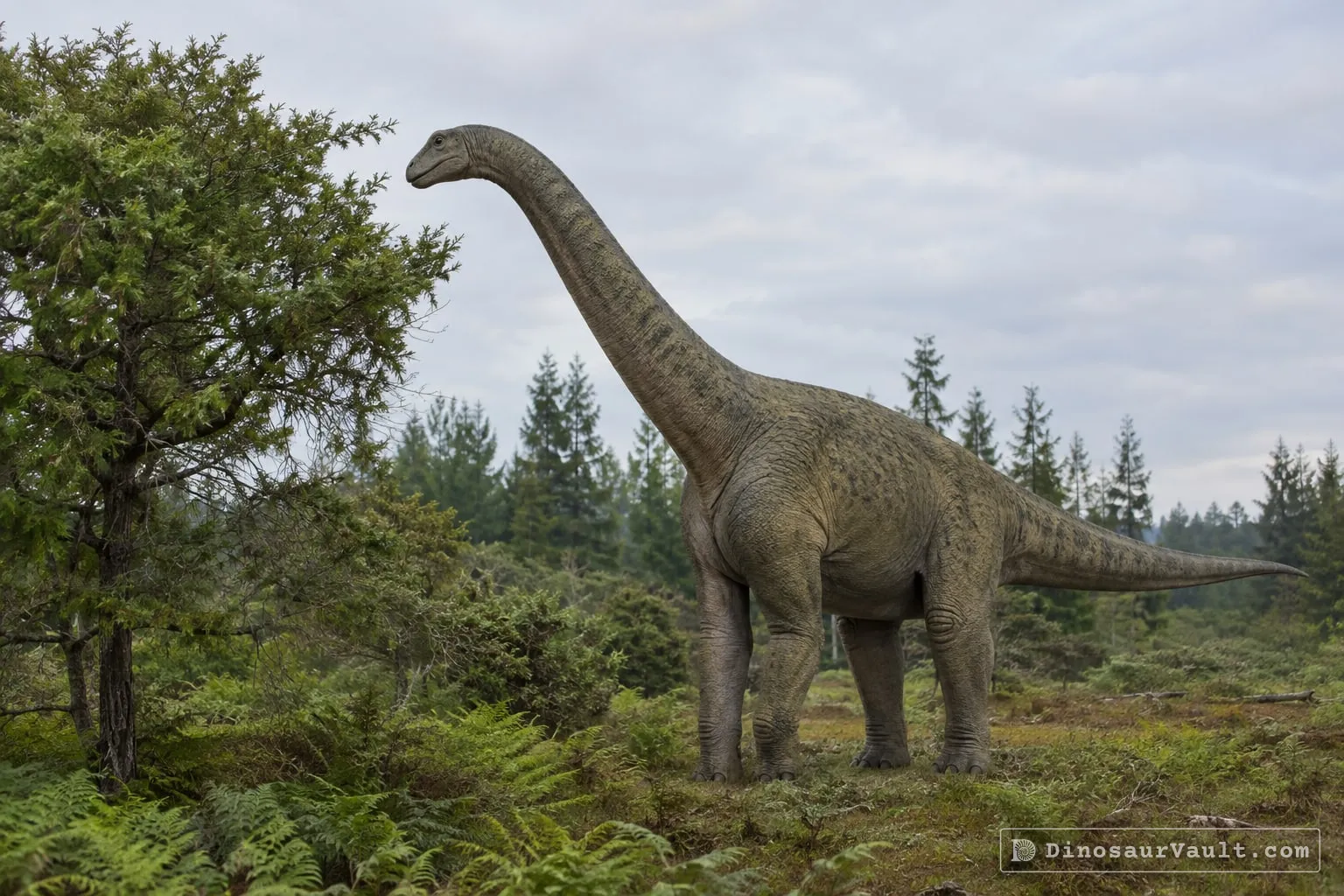
Lourinhasaurus was a long-necked, four-legged plant eater, a relative of Camarasaurus. Its type skeleton includes bones from the backbone, shoulders, hips and limbs.
Its world
It lived in the Late Jurassic in what is now Portugal. Its bones come from the Lourinhã Formation, where it shared the land with the hunters Allosaurus, Ceratosaurus and Torvosaurus, the stegosaur Dacentrurus and the long-necked Lusotitan.
How it was found
Its bones were first described as a species of Apatosaurus. Dantas and colleagues gave them their own genus in 1998. A later review rejected most of the older isolated bones assigned to it.
Field gallery
More views of Lourinhasaurus
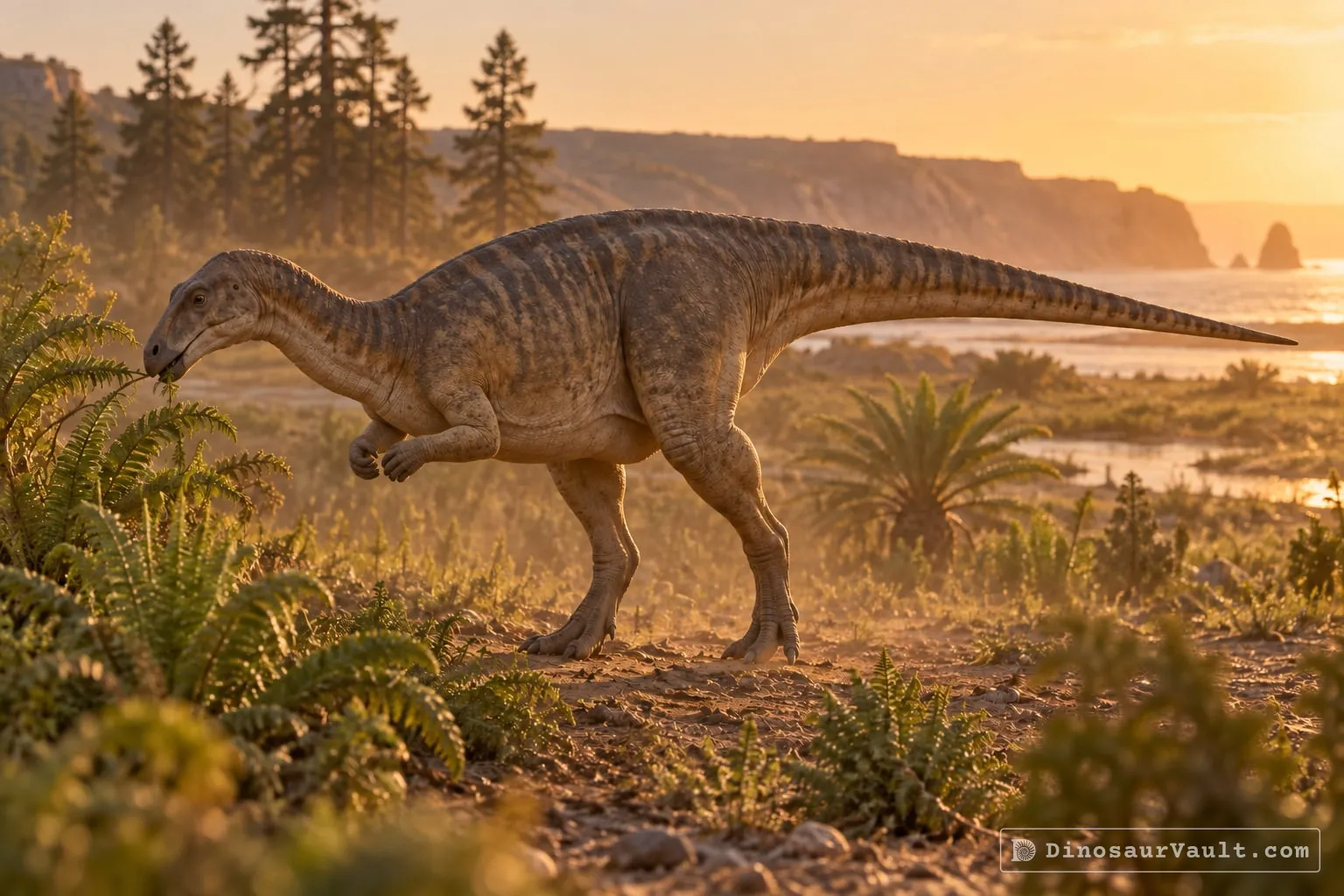
Scenes reconstructed from the available fossil evidence.
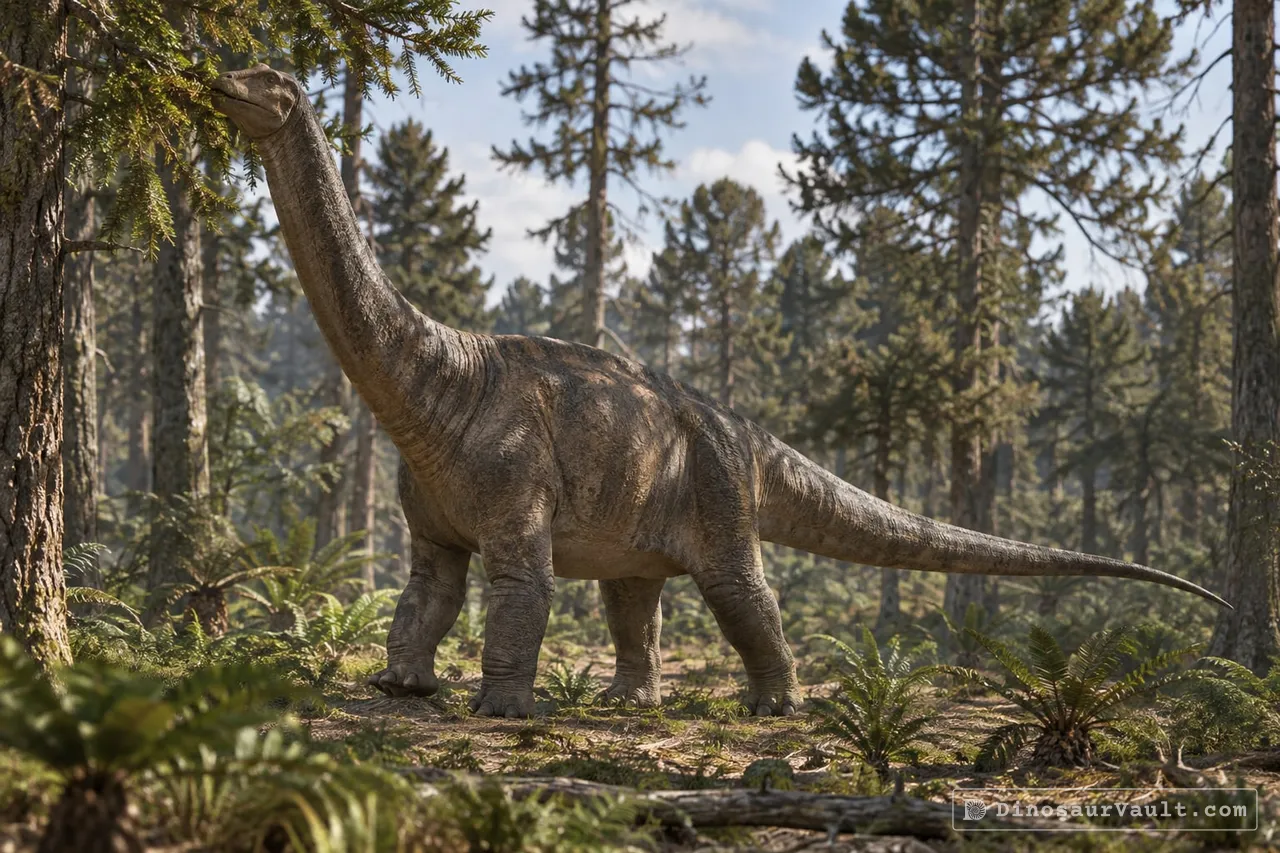
1 of 3
Lived alongside
Found in the same rock formations
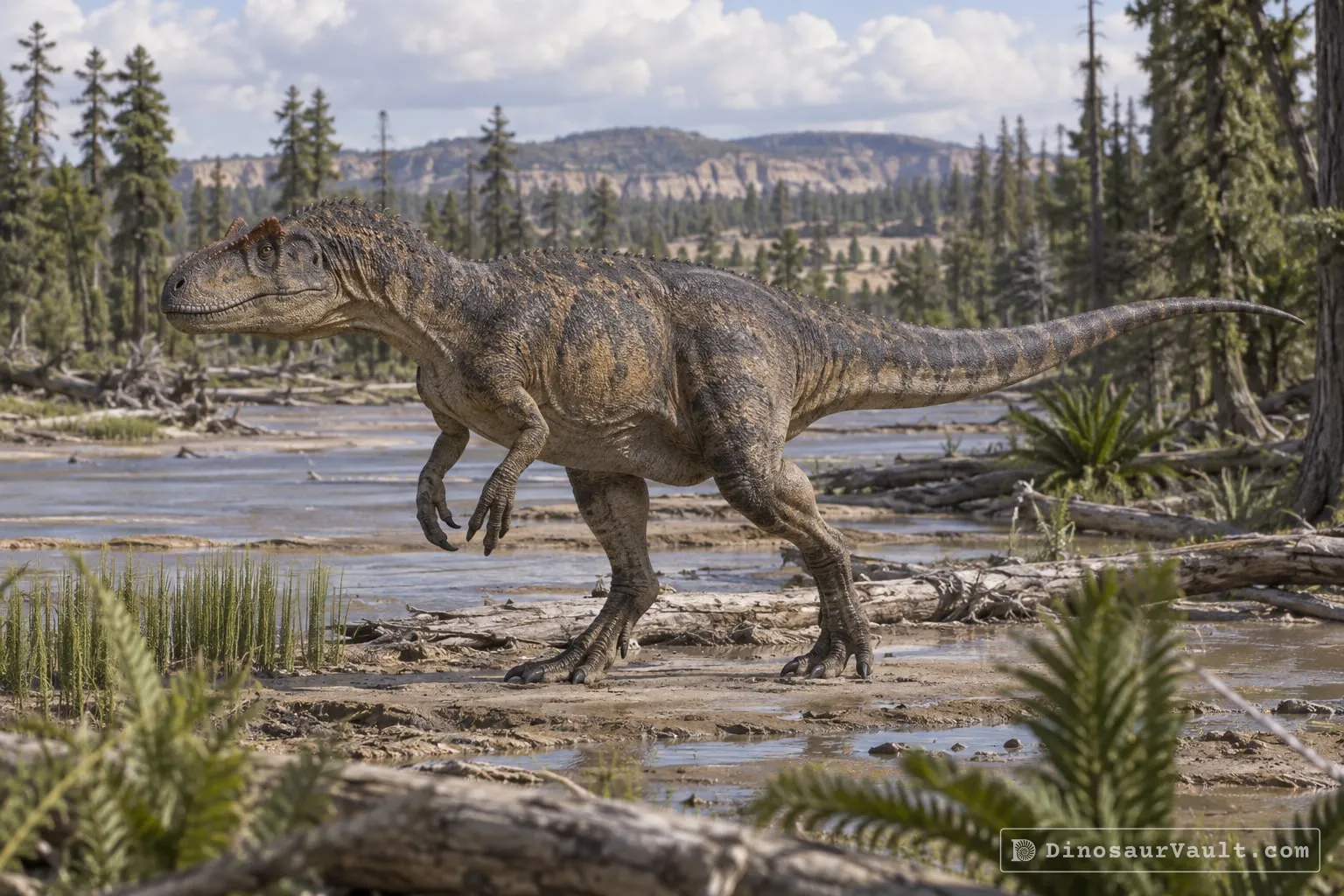
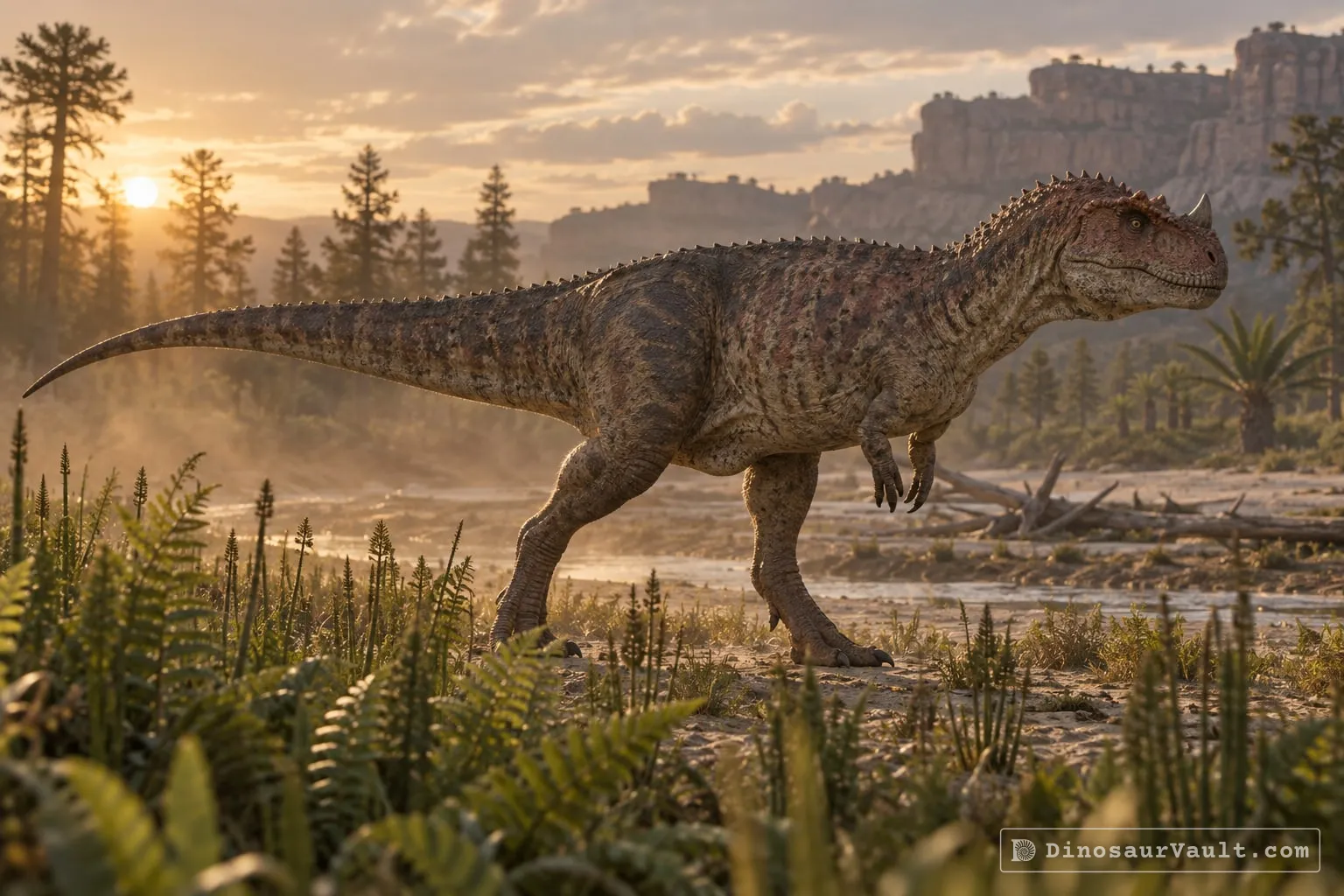
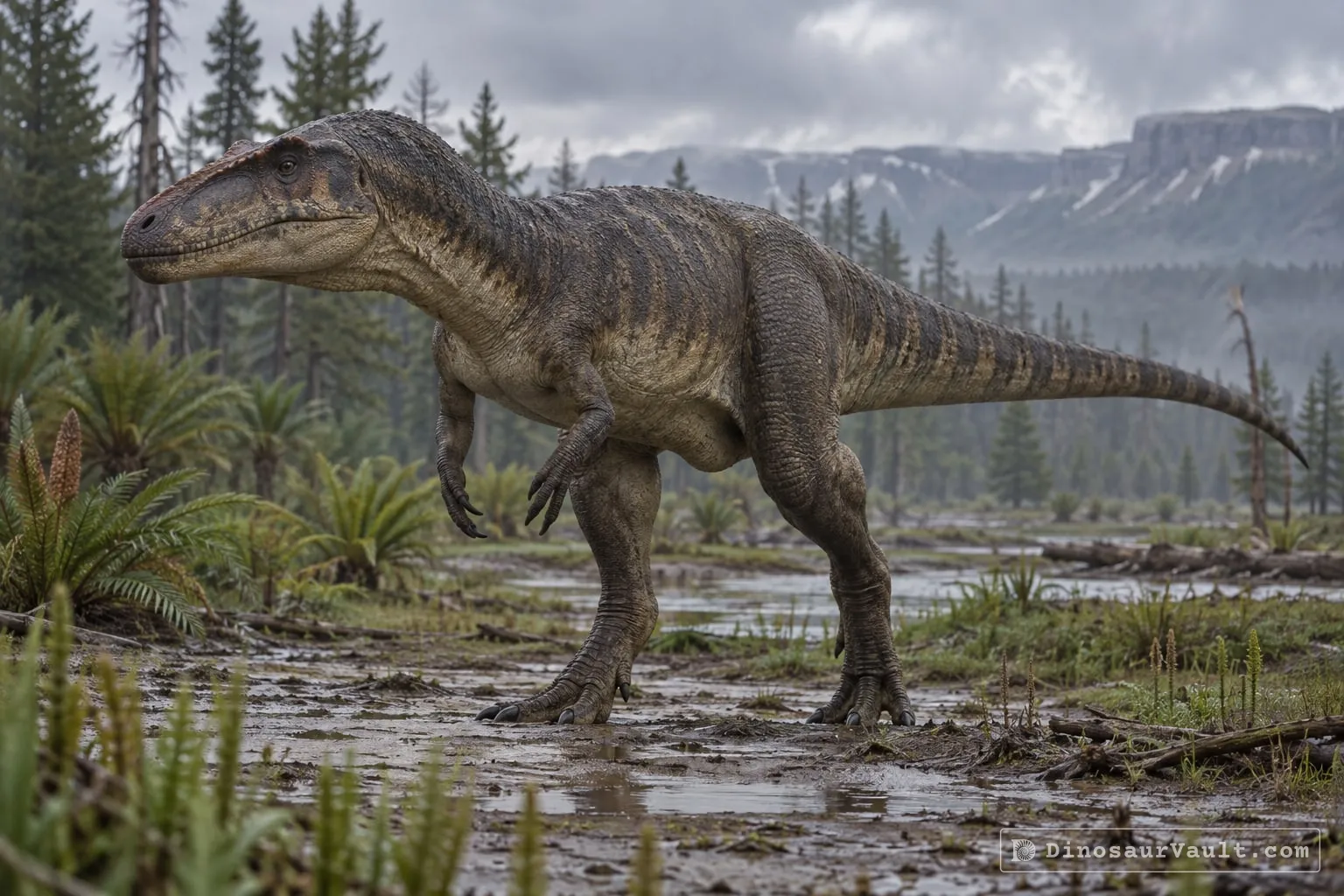
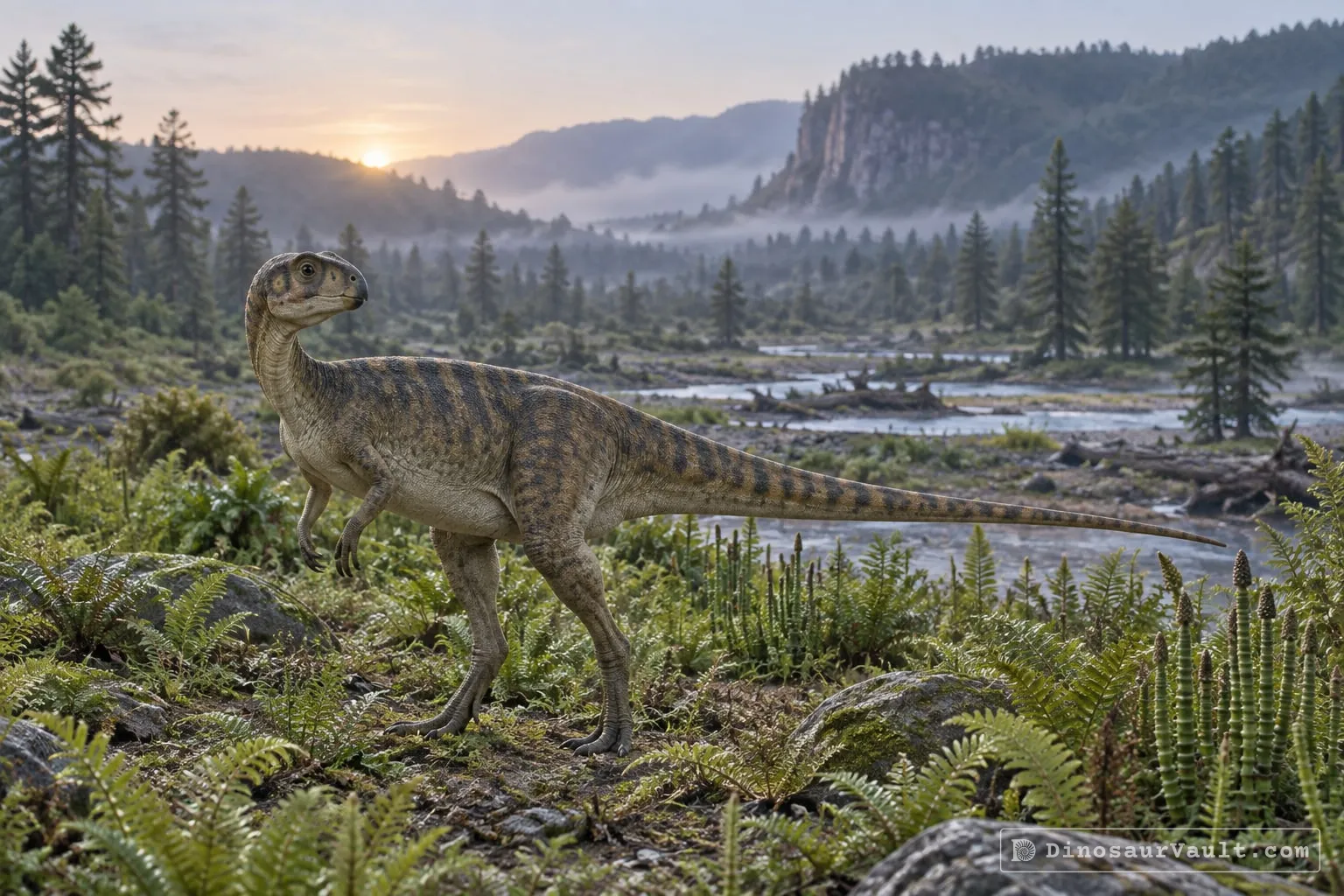
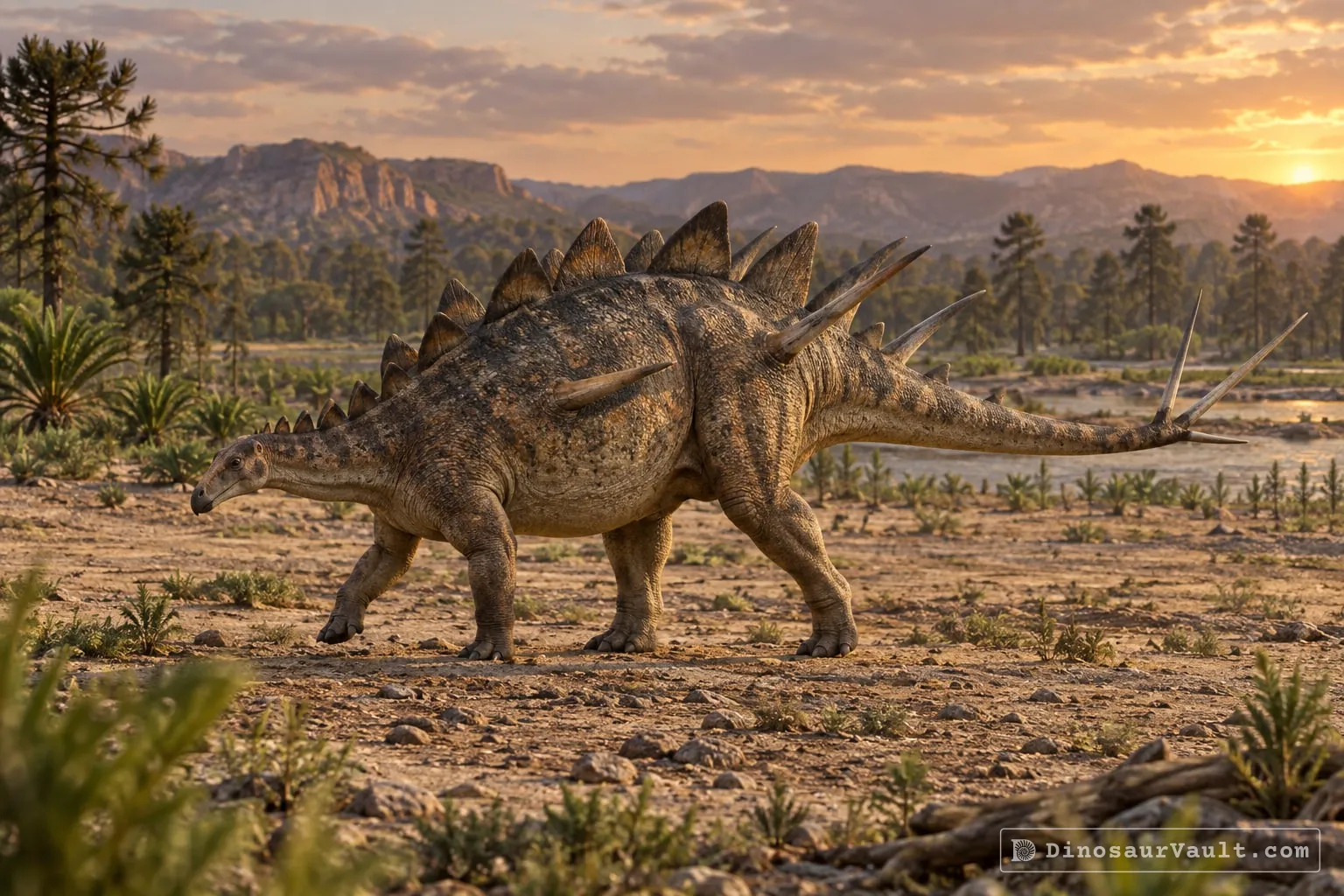
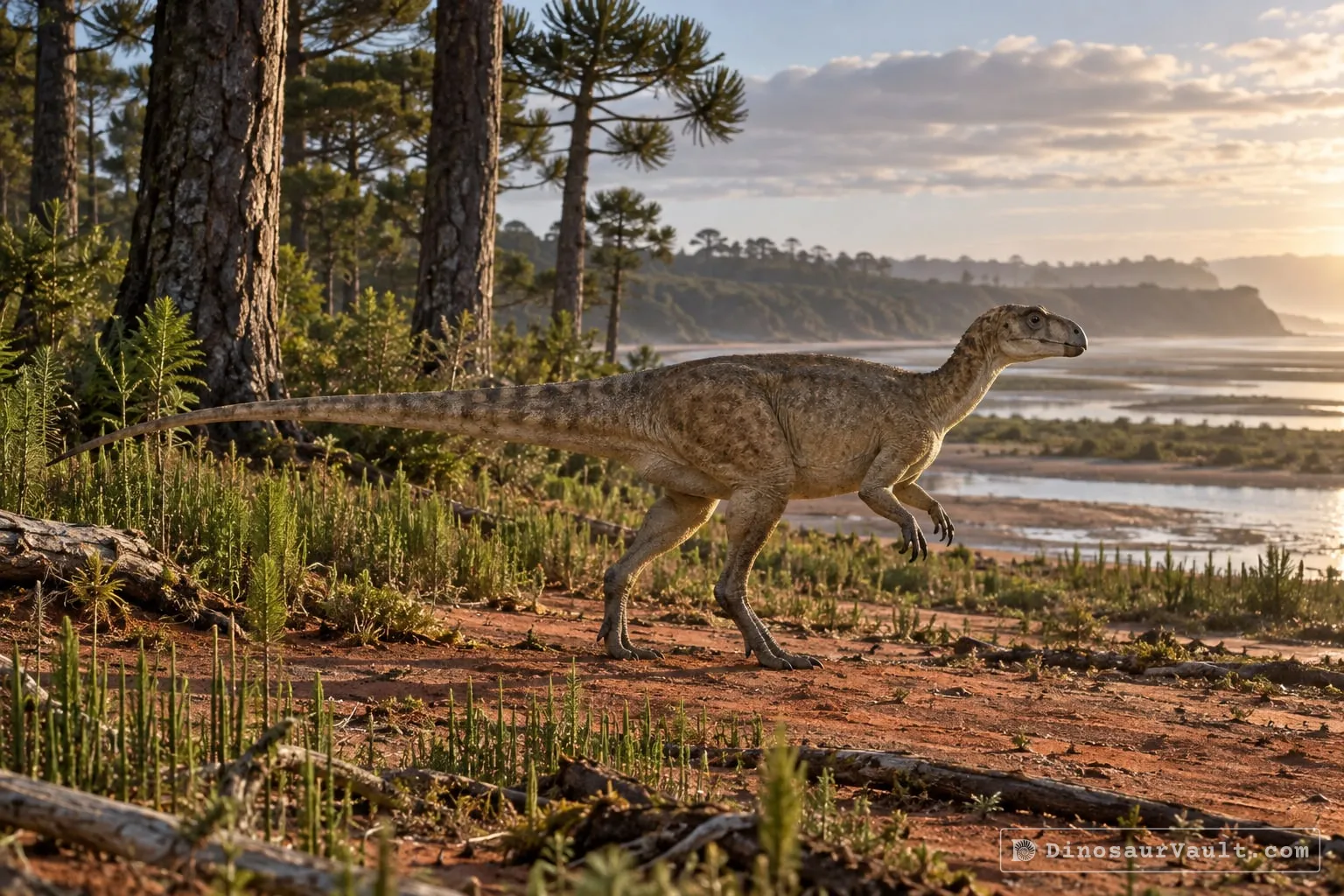


A rock formation can hold fossils laid down millions of years apart, so not every animal here met Lourinhasaurus.
The evidence
The science behind Lourinhasaurus
Which parts of the picture come from its own bones, and which come from its relatives.
From its own fossils
- The type skeleton includes vertebrae from the neck, back, hips and base of the tail, ribs, a shoulder blade, hip bones, and bones of the front and hind legs down to the ankle.
- Distinctive features include a keel along the spines of the hip vertebrae, deep round hollows in the front tail vertebrae, and a thigh bone whose whole shaft is angled.
- One later study notes that its upper arm bone flares strongly at the top.
Borrowed from relatives
- Its close relative Camarasaurus guides the missing head, hands and feet.
- The general shape of the neck, body and tail follows other long-necked plant eaters such as Mnyamawamtuka.
Still unknown
- The shape of its skull.
- Its hands and feet.
- Which of the many isolated sauropod bones from the region belong to it. A later review rejected most of the older referrals.
Discovery timeline
- 1998Named itDantas et al.
- 2014Full descriptionMocho, Royo-Torres & Ortega
- 2015Family treeTschopp, Mateus & Benson
- 2017Its worldMateus, Dinis & Cunha
Key papers
The research behind what we know of Lourinhasaurus
Named it
Gave Portuguese sauropod remains their own genus name after comparisons with Apatosaurus and Camarasaurus.
Lourinhasaurus n. gen. Novo dinossáurio saurópode do Juássico superior (Kimeridgiano superior-Titoniano inferior) de Portugal [Lourinhasaurus n. gen. New sauropod dinosaur from the Upper Jurassic (upper Kimmeridgian-lower Tithonian) of Portugal]. Actas do V Congresso Nacional de Geologia (Resumos Alargados). Comunicações del Instituto Geológico e Mineiro 84: A91-A94
No link available
Full description
Restudied the skeleton, identified distinctive features in its backbone and limbs, and recovered a close relationship with Camarasaurus.
Phylogenetic reassessment ofLourinhasaurus alenquerensis, a basal Macronaria (Sauropoda) from the Upper Jurassic of Portugal. Zoological Journal of the Linnean Society 170: 875-916
Read the paper : Phylogenetic reassessment ofLourinhasaurus alenquerensis, a basal Macronaria (Sauropoda) from the Upper Jurassic of Portugal (opens in a new tab)Family tree
Scored the Lourinhasaurus type apart from the Dinheirosaurus skeleton and found Lourinhasaurus to be a distinct sauropod in the family of Camarasaurus.
A specimen-level phylogenetic analysis and taxonomic revision of Diplodocidae (Dinosauria, Sauropoda). PeerJ 3: e857
Read the paper : A specimen-level phylogenetic analysis and taxonomic revision of Diplodocidae (Dinosauria, Sauropoda) (opens in a new tab)Its world
Described river channels, floodplains and coastal deposits, with dinosaur remains and fossil plants from Portugal.
The Lourinhã Formation: the Upper Jurassic to lower most Cretaceous of the Lusitanian Basin, Portugal – landscapes where dinosaurs walked. Ciências da Terra - Earth Sciences Journal 19: 75-97
Read the paper : The Lourinhã Formation: the Upper Jurassic to lower most Cretaceous of the Lusitanian Basin, Portugal – landscapes where dinosaurs walked (opens in a new tab)
Close relatives
Other members of Camarasauridae

Sources: Wikidata