Haplocanthosaurus
HAP-loh-KAN-thoh-SORE-us
"simple spined lizard"
Type species Haplocanthosaurus priscus
- Lived
- 155 to 143 million years ago, Late Jurassic
- Diet
- Herbivore
- Length
- about 22 m (71 ft)
- Group
- Sauropods
- Found in
- United States
- Named by
- Hatcher 1903
Size comparison
To scale


Scale in metersOutline: typical sauropod shape
Where its fossils were found
The evidence
Today

150 million years ago
Habitat
A river-crossed landscape in the Morrison Formation of the United States. Diplodocus, Camarasaurus and Allosaurus lived in the same region.
Field notes
About Haplocanthosaurus
What it was like
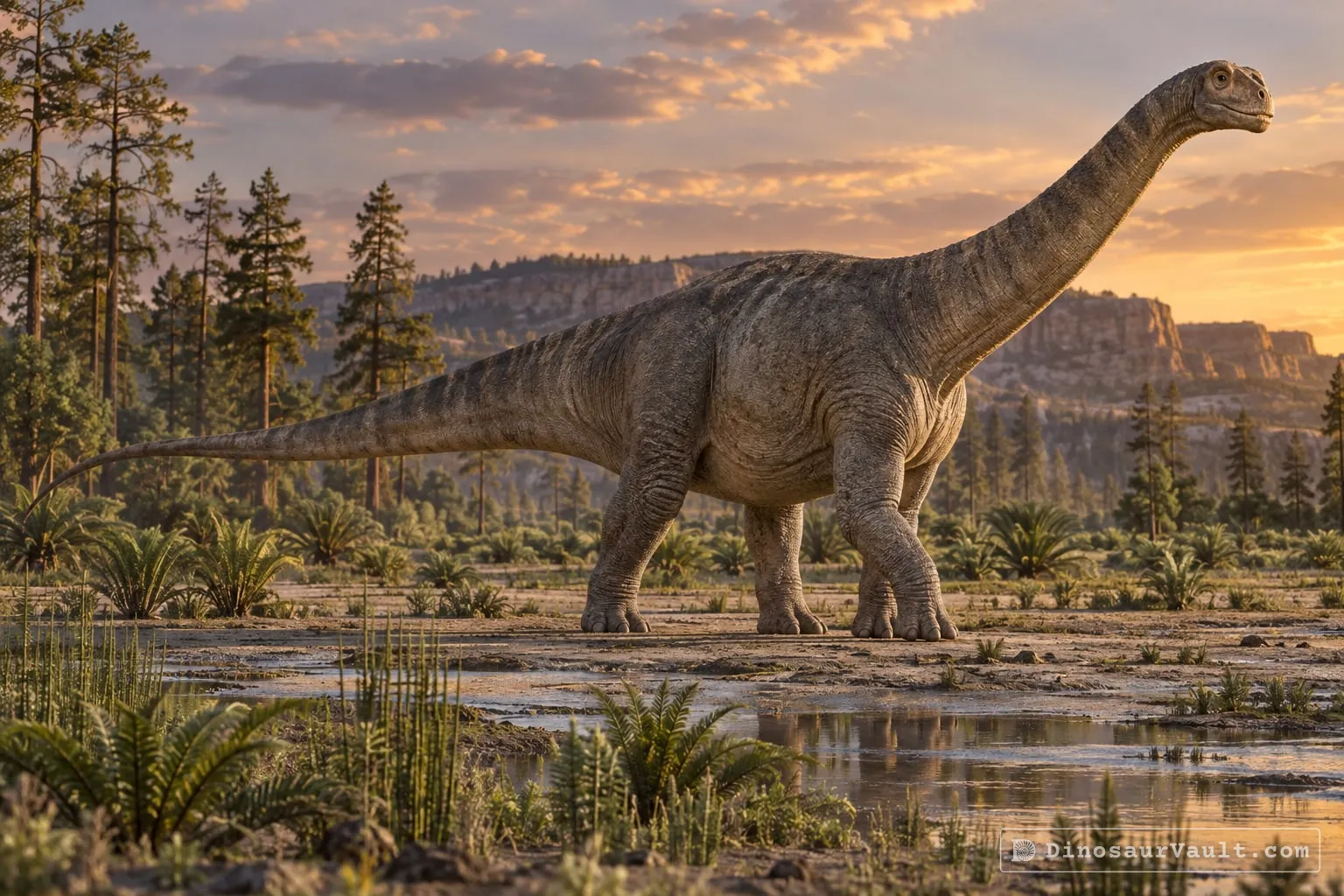
Haplocanthosaurus was a long-necked, four-legged plant eater, smaller than the giants it lived with. Its name comes from the tall, simple spines on its backbones. Many of its neighbors had forked spines instead.
Scientists still debate where it fits among the sauropods, though most studies place it near the base of the group that includes Diplodocus.
Its world
It lived about 155 million years ago, in the Late Jurassic, in what is now Colorado, Utah and Wyoming in the United States. Its bones come from the lowest layers of the Morrison Formation, where it lived alongside Brontosaurus, Stegosaurus and the hunter Allosaurus.
How it was found
Hatcher named Haplocanthosaurus in 1903. Two species are known, both from partial skeletons, and seven finds in all.
Field gallery
More views of Haplocanthosaurus
Scenes reconstructed from the available fossil evidence.
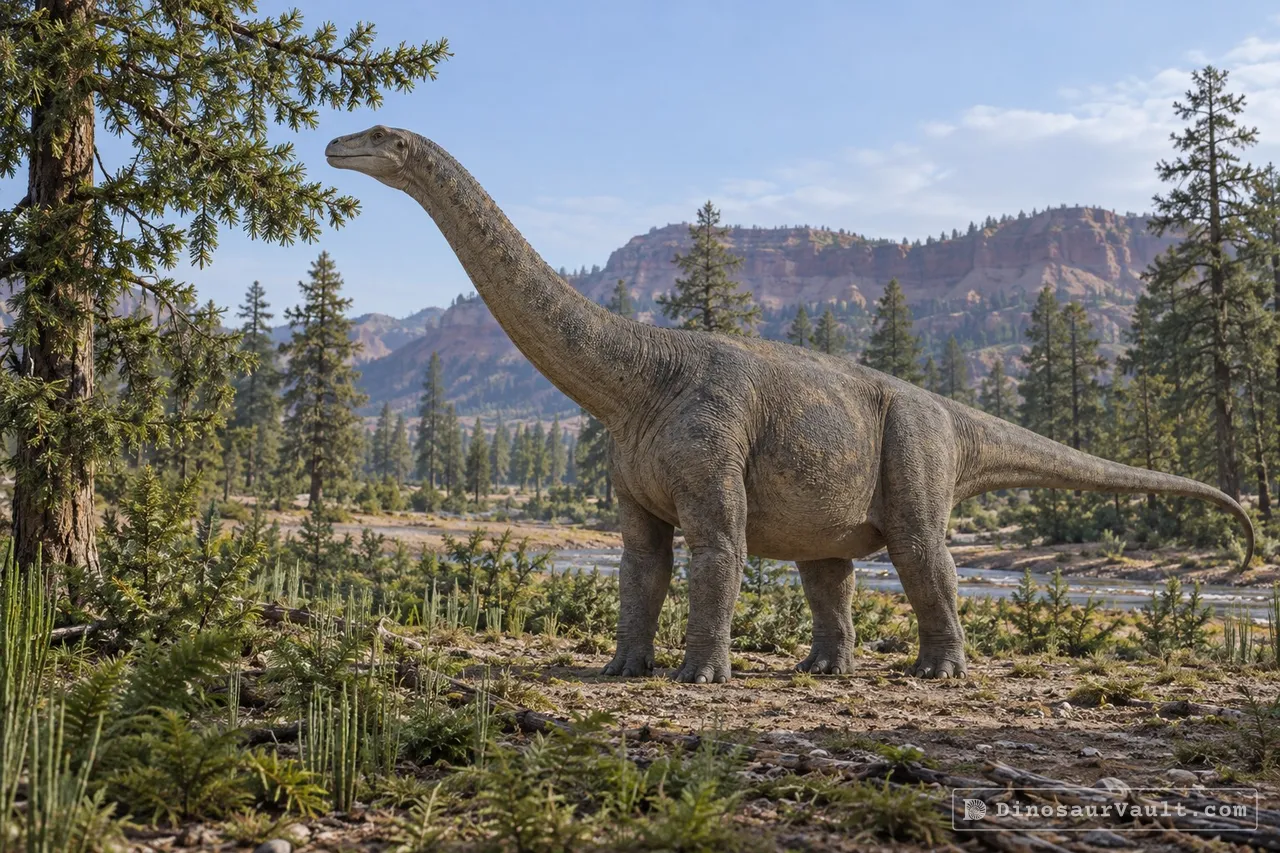
1 of 3
Lived alongside
Found in the same rock formations
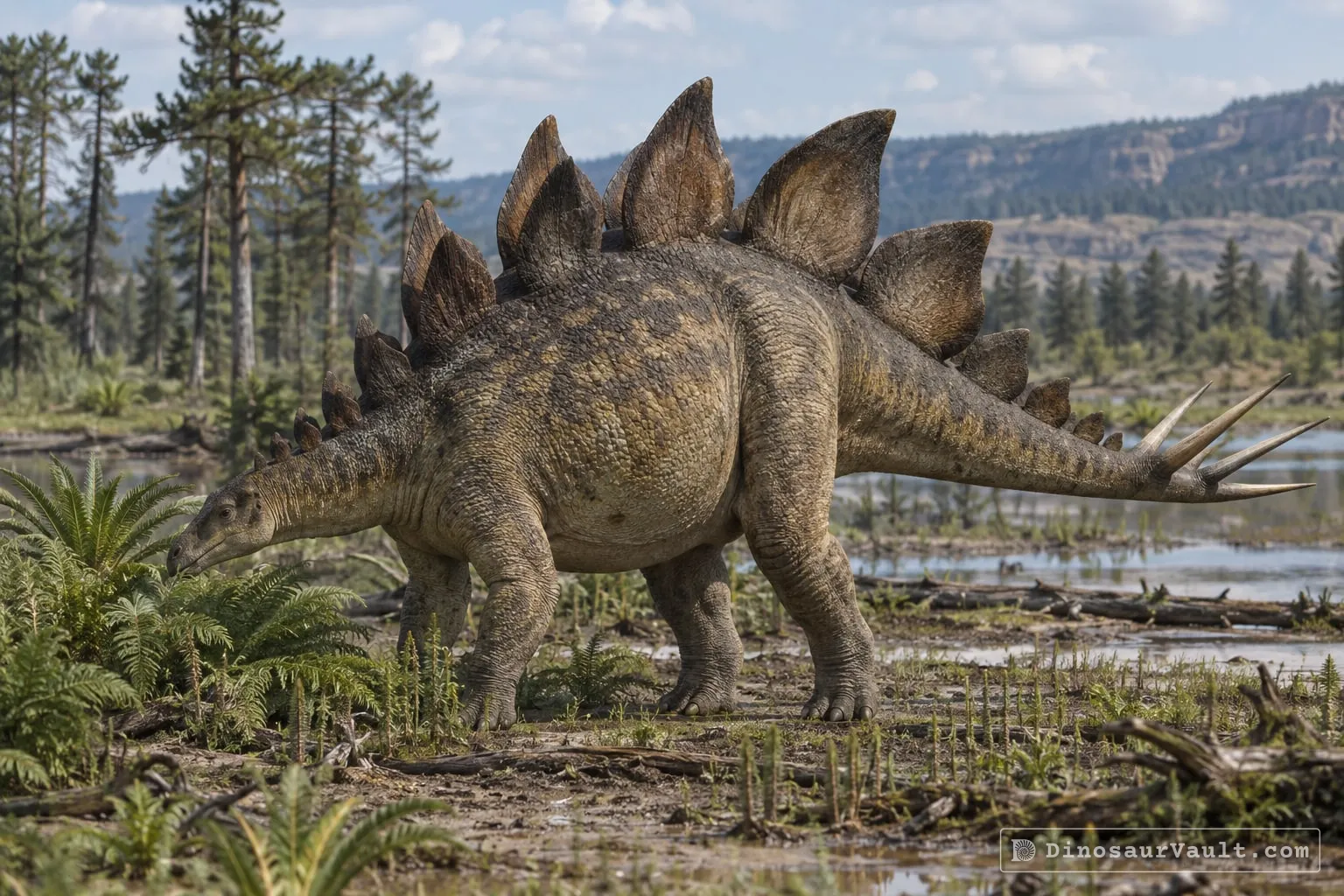
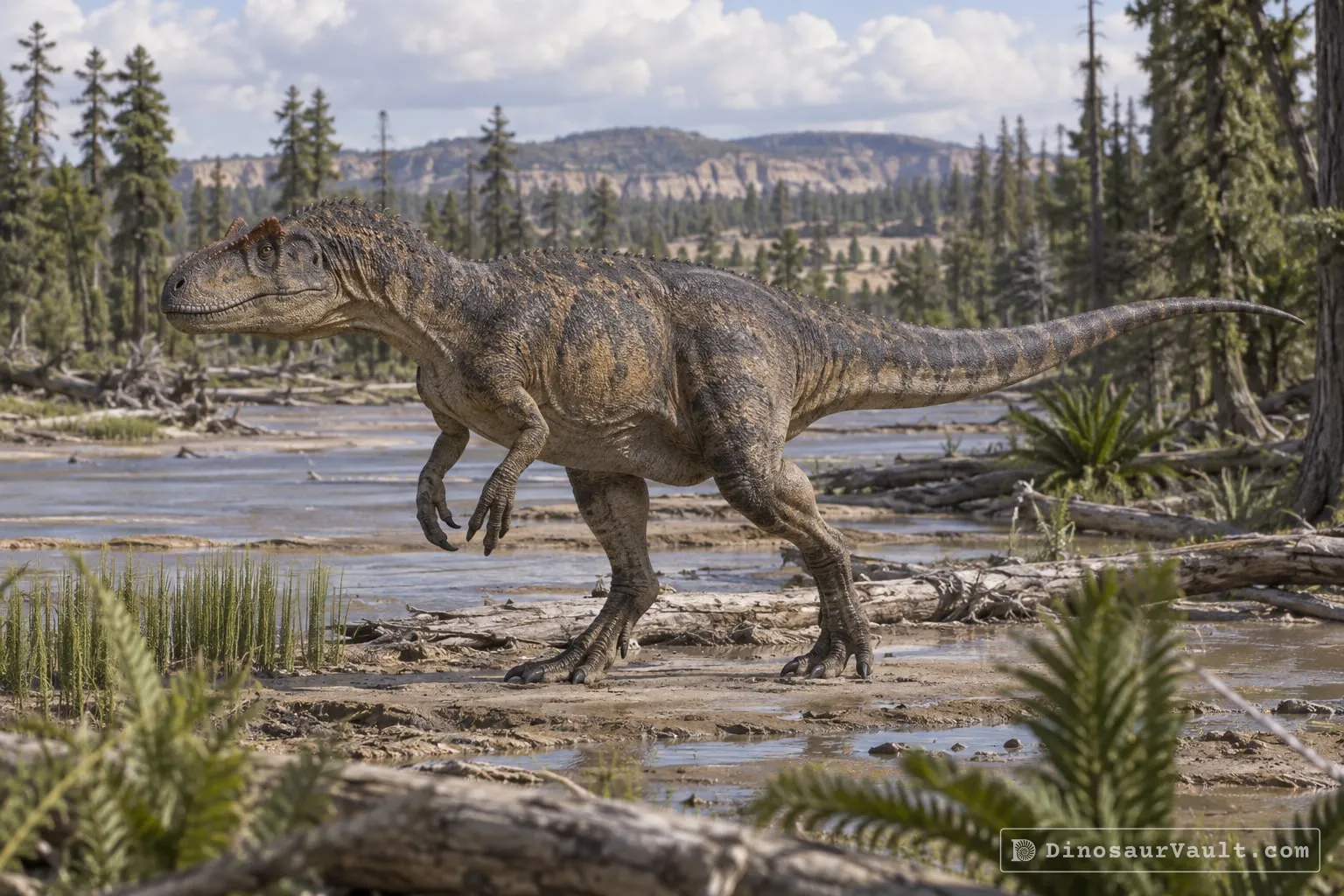
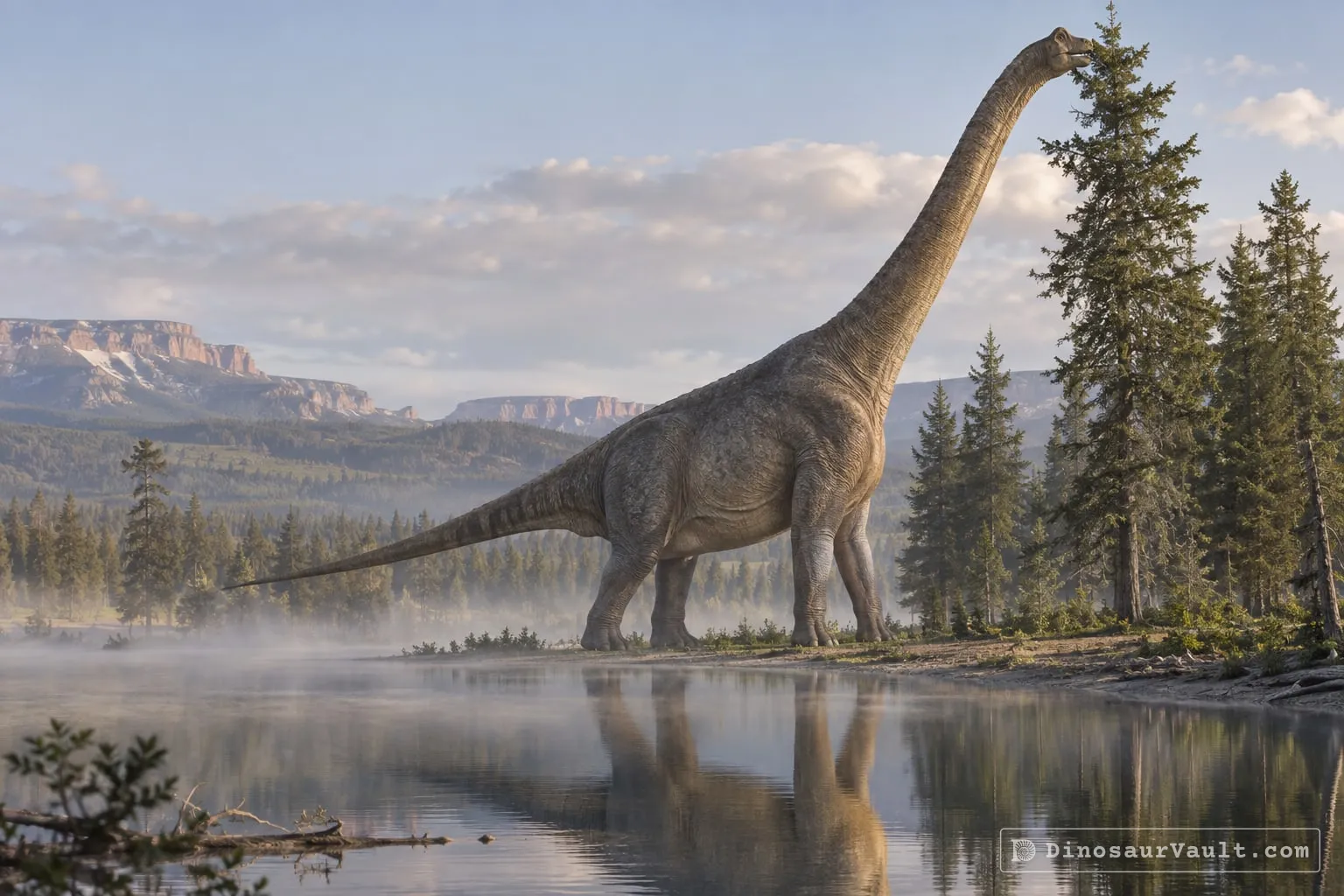
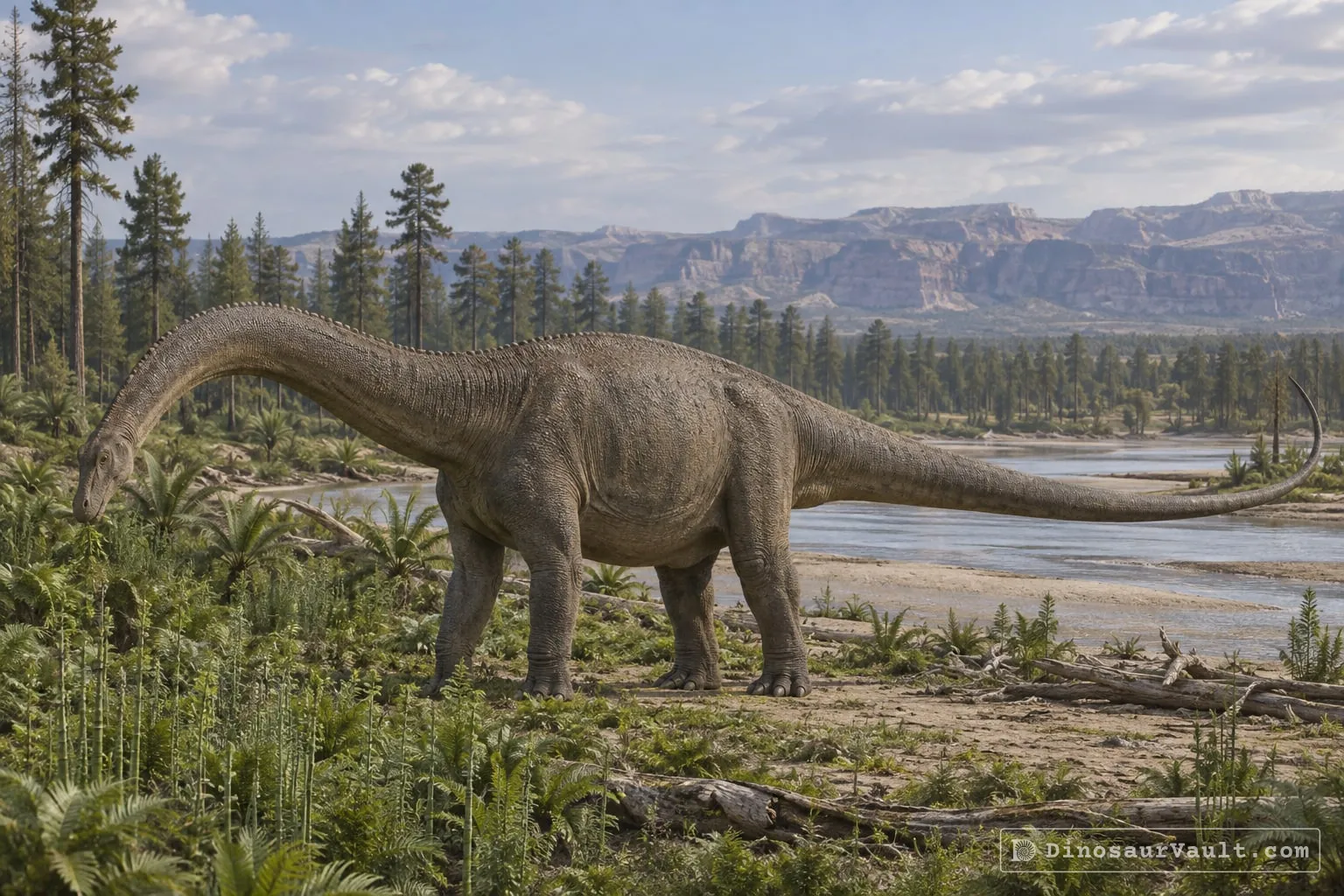
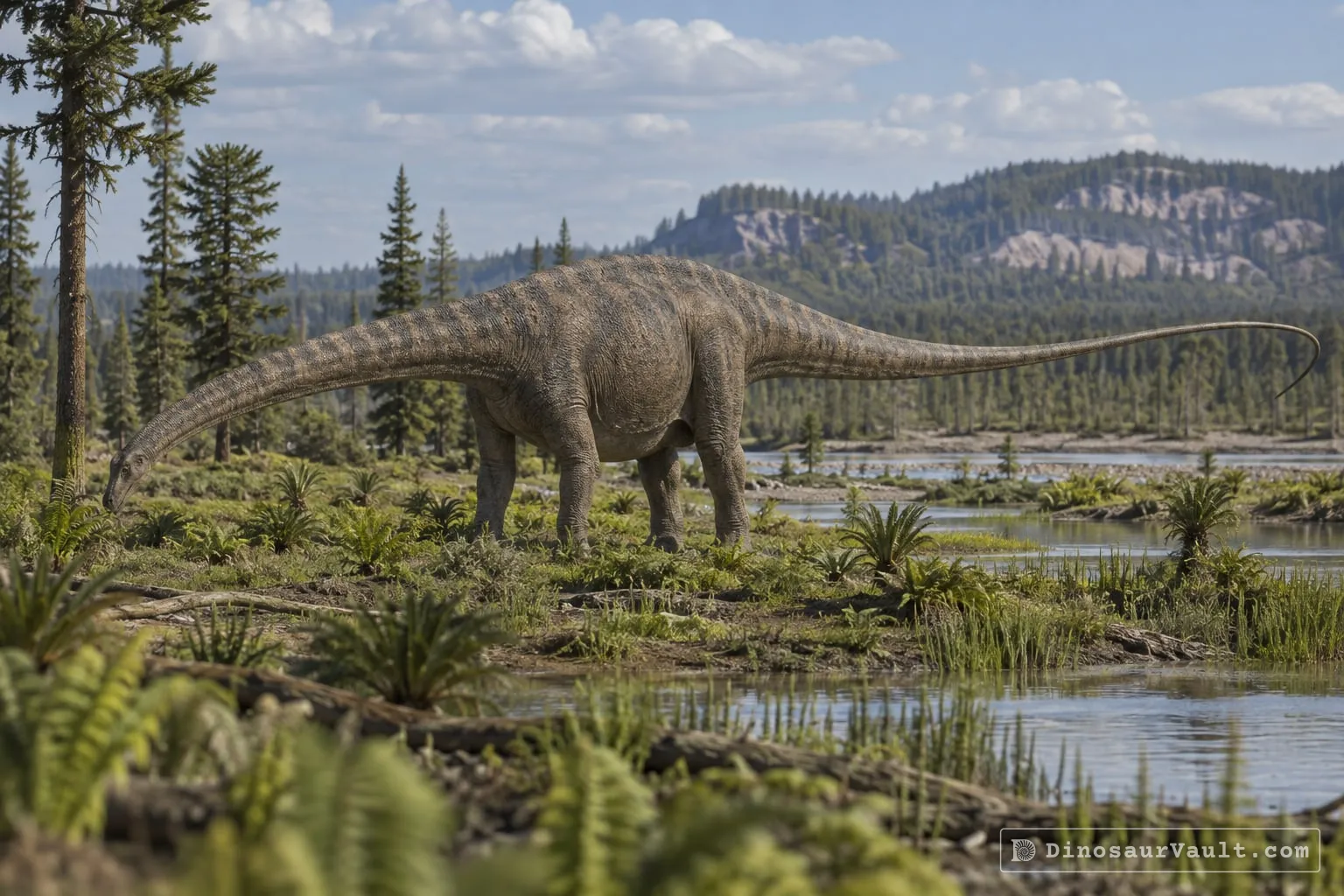
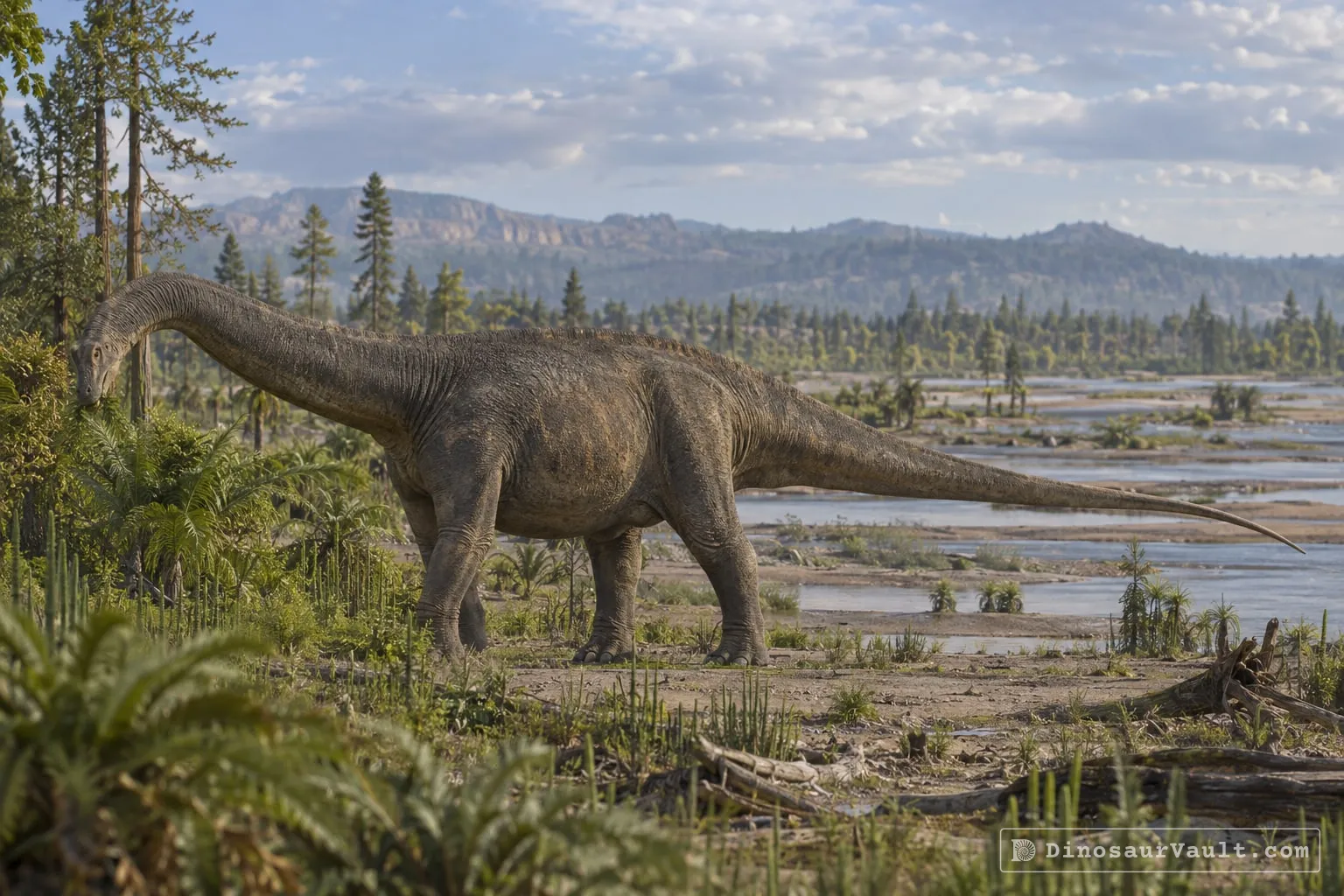
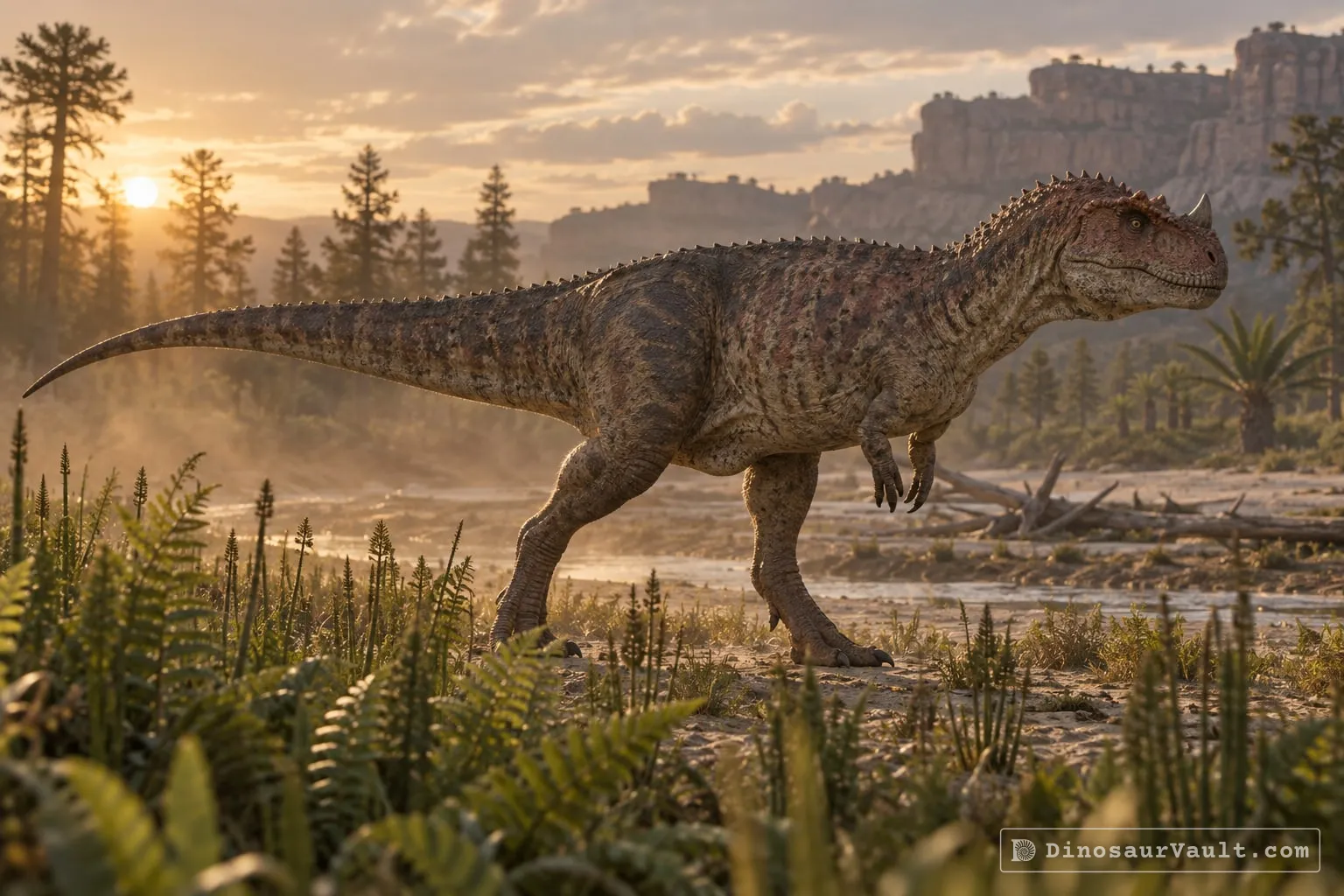


A rock formation can hold fossils laid down millions of years apart, so not every animal here met Haplocanthosaurus.
The evidence
The science behind Haplocanthosaurus
Which parts of the picture come from its own bones, and which come from its relatives.
From its own fossils
- Partial skeletons preserve neck, back and tail vertebrae, ribs, hip bones and parts of the limbs.
- Its backbones have tall, unforked spines and side branches that angle upward.
- The shinbone has a broad, flared lower end.
Borrowed from relatives
- Its missing head is restored by comparison with other sauropods, including Diplodocus and Camarasaurus.
Still unknown
- The shape of its skull and teeth.
- Its exact position in the sauropod family tree. Some analyses place it near the base of Diplodocoidea, while others put it outside Neosauropoda altogether.
- Its color and skin pattern.
Discovery timeline
- 1903Named itHatcher
- 2011Family treeWHITLOCK
- 2024New findBoisvert et al.
- 2025Family treeMannion & Moore
Key papers
The research behind what we know of Haplocanthosaurus
Named it
Named the dinosaur from a partial skeleton with simple, unforked spines on its backbones.
A new name for the dinosaur Haplocanthus Hatcher. Proceedings of the Biological Society of Washington 16: 100
No link available
Family tree
Placed Haplocanthosaurus near the base of the sauropod branch containing Diplodocus and its relatives.
A phylogenetic analysis of Diplodocoidea (Saurischia: Sauropoda). Zoological Journal of the Linnean Society 161: 872-915
Read the paper : A phylogenetic analysis of Diplodocoidea (Saurischia: Sauropoda) (opens in a new tab)New find
Identified backbones and a shinbone as Haplocanthosaurus, extending its known range into younger layers of the Morrison Formation.
Description of a new specimen of Haplocanthosaurus from the Dry Mesa Dinosaur Quarry. The Anatomical Record 307: 3782-3800
Read the paper : Description of a new specimen of Haplocanthosaurus from the Dry Mesa Dinosaur Quarry (opens in a new tab)Family tree
A broad family-tree study placed both Haplocanthosaurus species near the base of Diplodocoidea under one weighting method, found other trees that differ, and left the second species' place in the genus uncertain.
Critical reappraisal of a putative dicraeosaurid sauropod dinosaur from the Middle Jurassic of Gondwana and a revised view of diplodocoid evolutionary relationships and biogeography. Journal of Systematic Palaeontology 23
Read the paper : Critical reappraisal of a putative dicraeosaurid sauropod dinosaur from the Middle Jurassic of Gondwana and a revised view of diplodocoid evolutionary relationships and biogeography (opens in a new tab)
Close relatives
Other members of Diplodocoidea

Sources: Wikidata