Outline: a typical sauropod
Amphicoelias
AM-fee-SEE-lee-us
"hollow on both sides"
- Lived
- 158 to 143 million years ago, Late Jurassic to Early Cretaceous
- Diet
- Herbivore
- Group
- Sauropods
- Found in
- United States and Zimbabwe
- Named by
- Cope 1877
Where its fossils were found
The evidence
Today
150 million years ago
Field notes
About Amphicoelias
What it was like
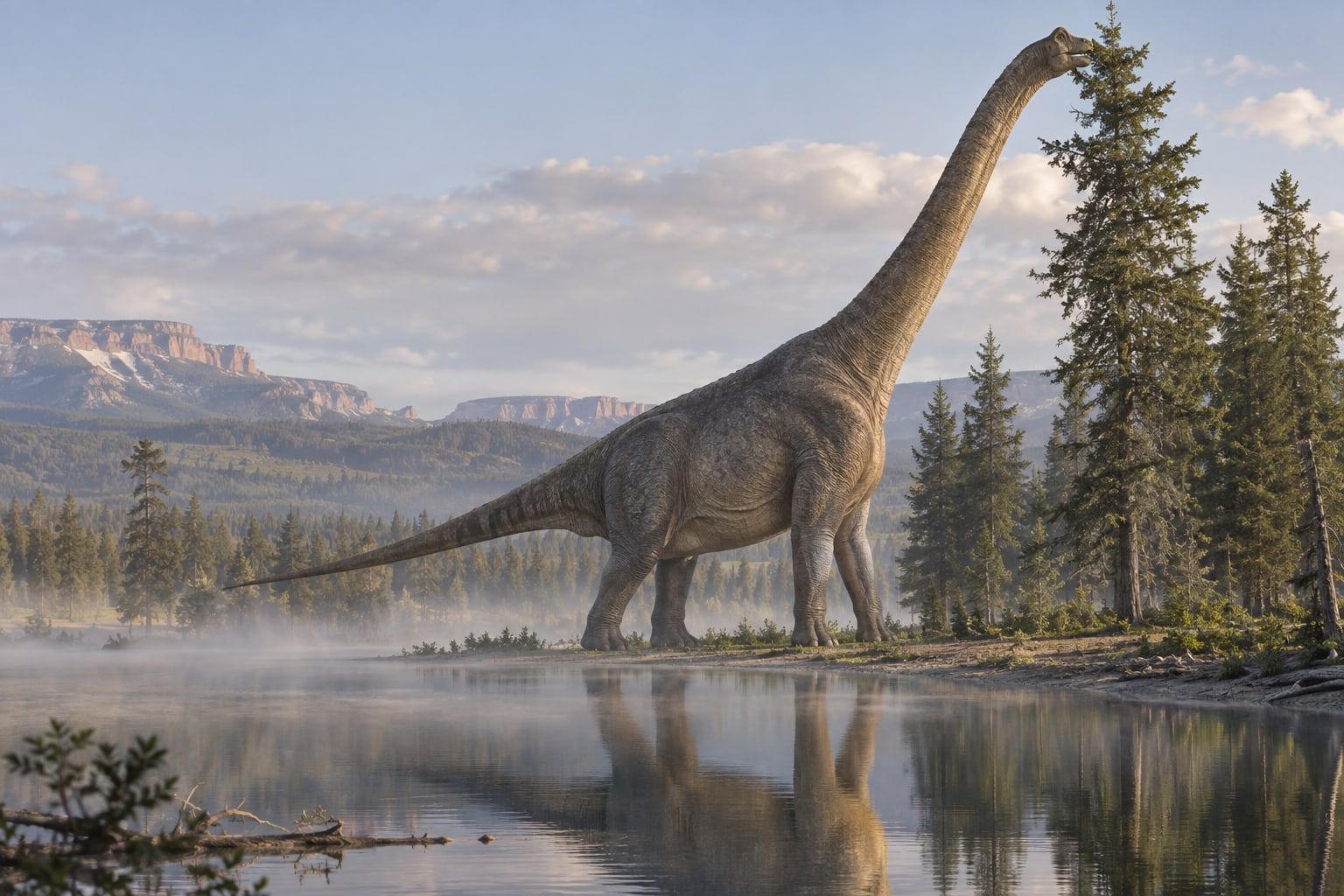
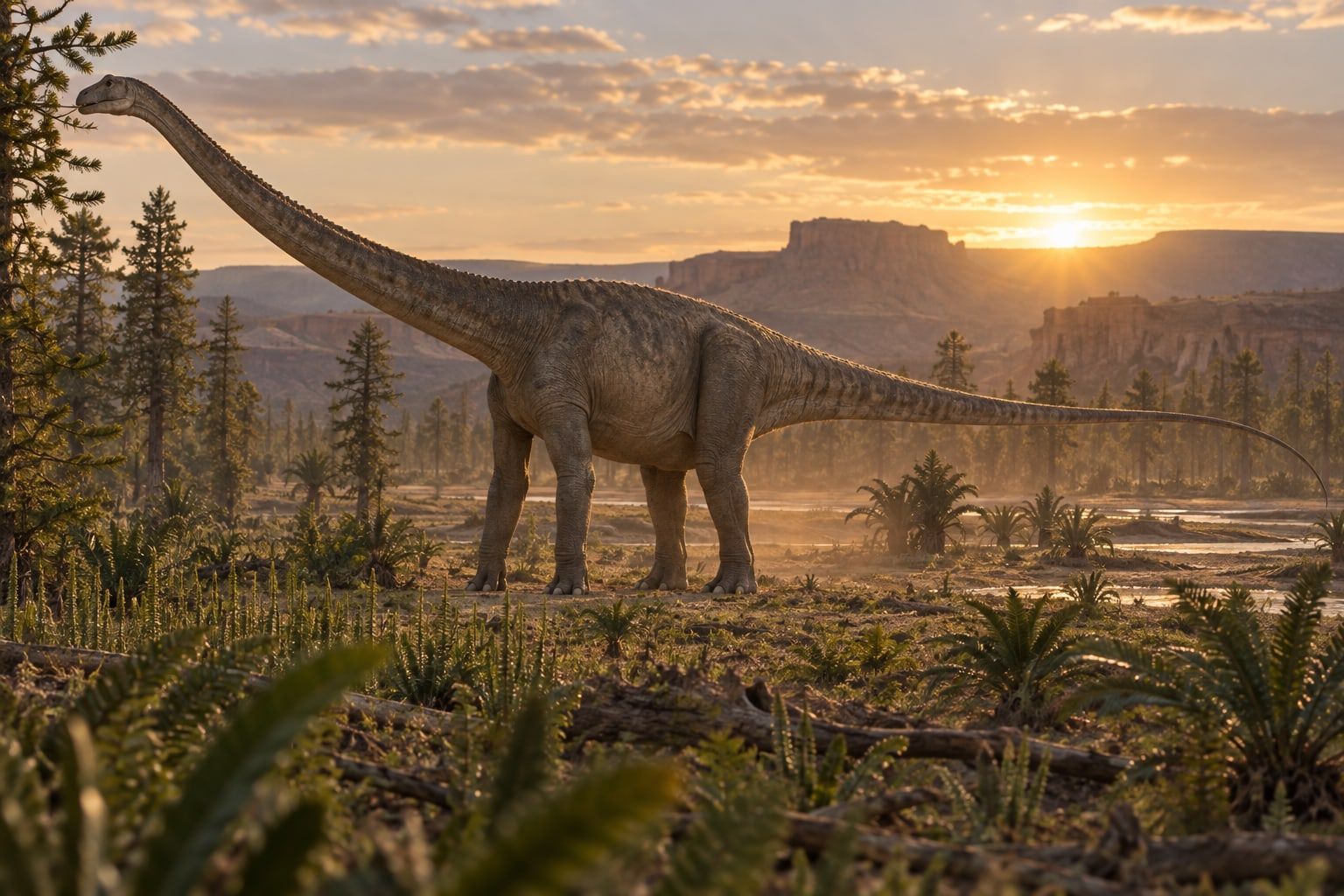
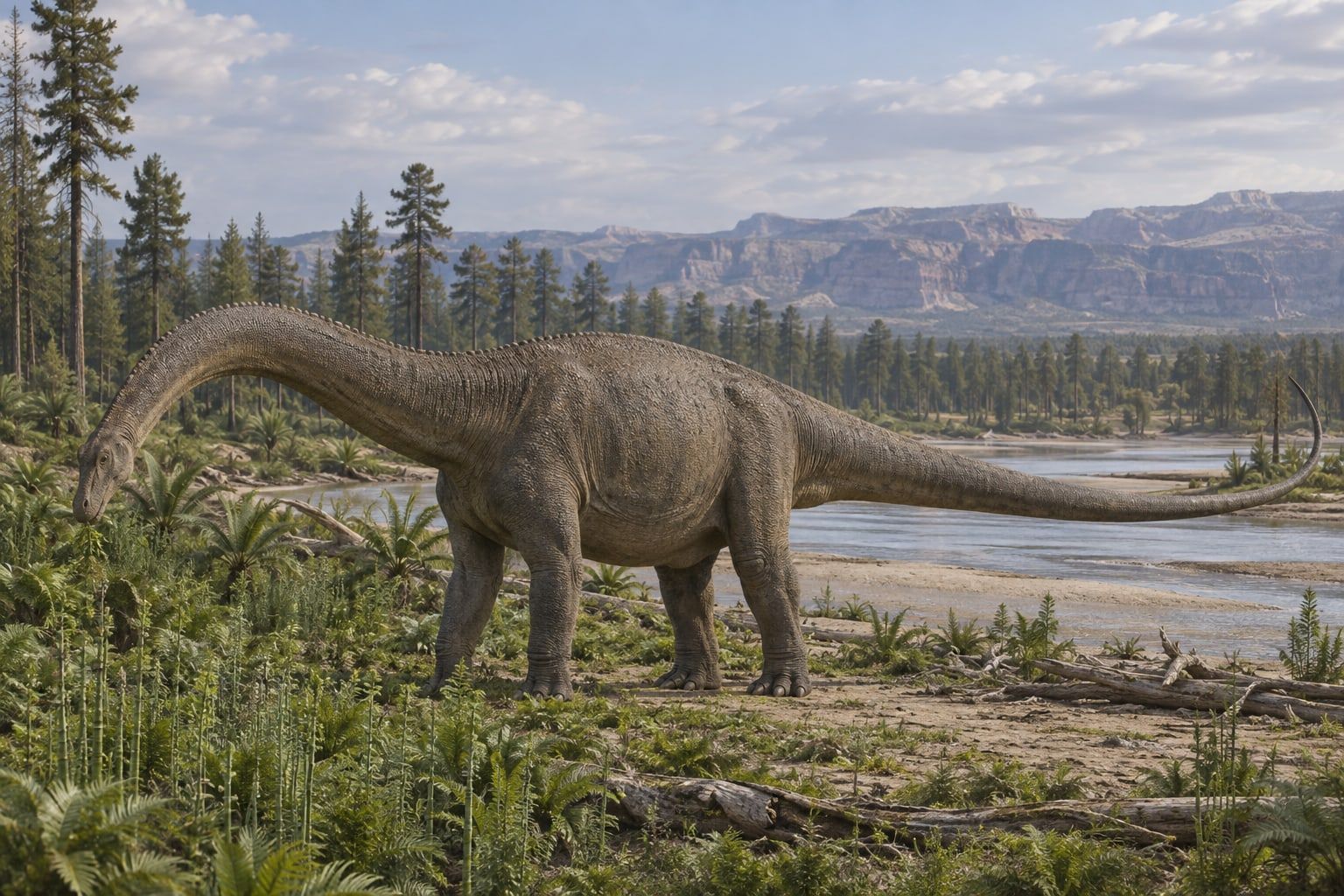
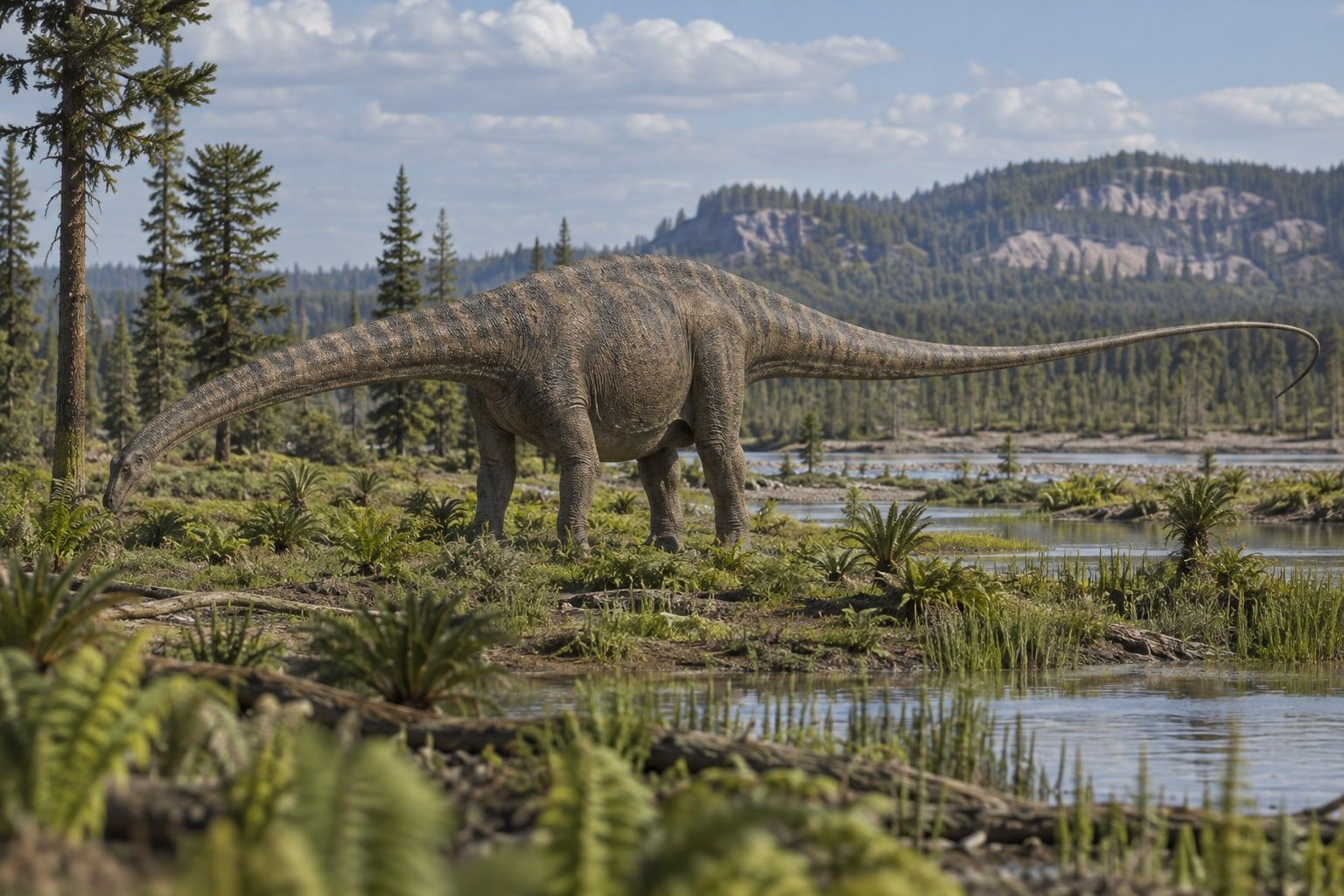
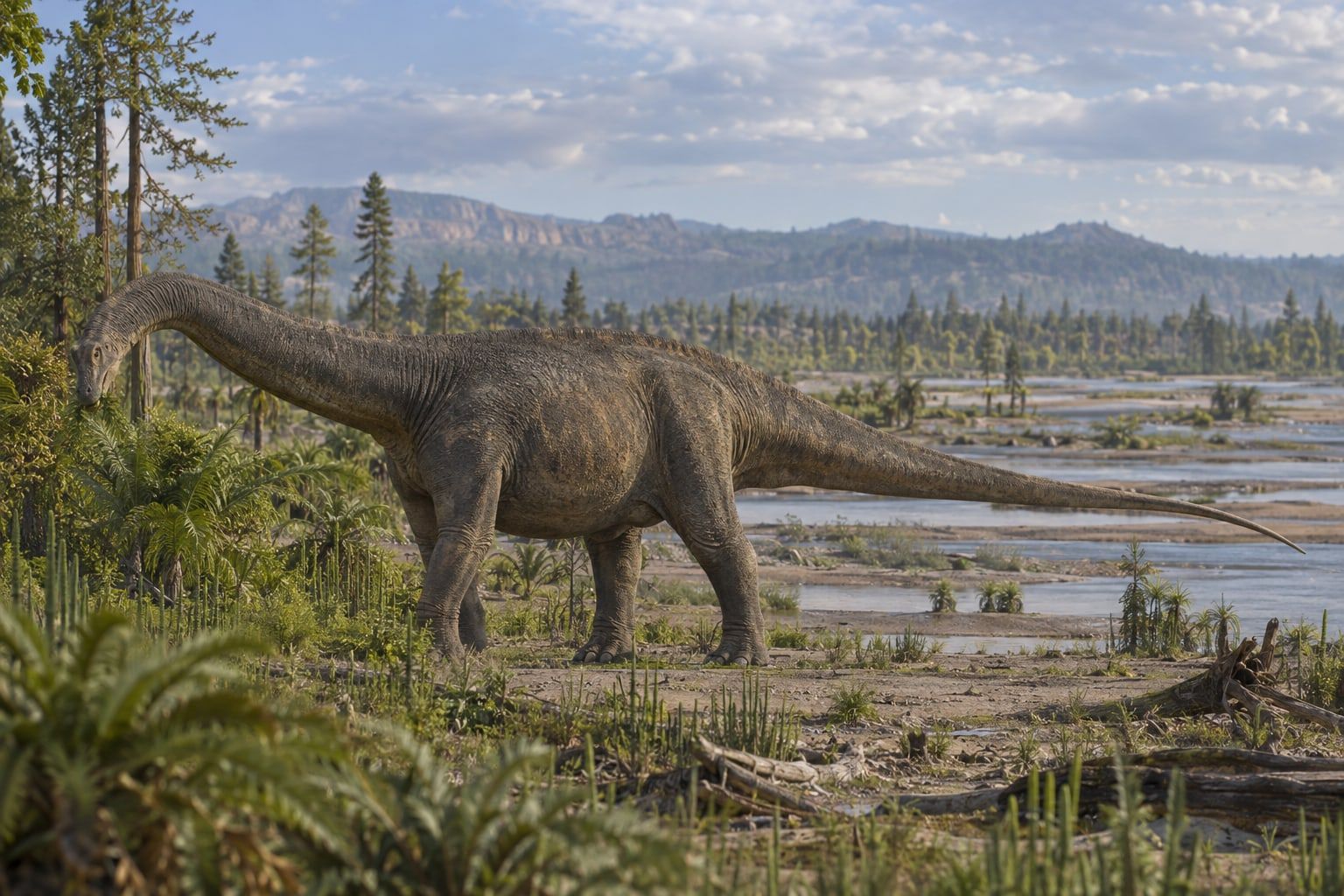
Amphicoelias was a long-necked plant eater related to Diplodocus. It had long, slender legs and a long neck and tail, and its back bones are hollowed out on both ends, which gave the genus its name.
Very little of it is known, and no trustworthy size can be given. It is famous mostly for a second species, known only from a drawing of a giant back bone that was later lost; many scientists now treat that animal as a separate, doubtful case.
Its world
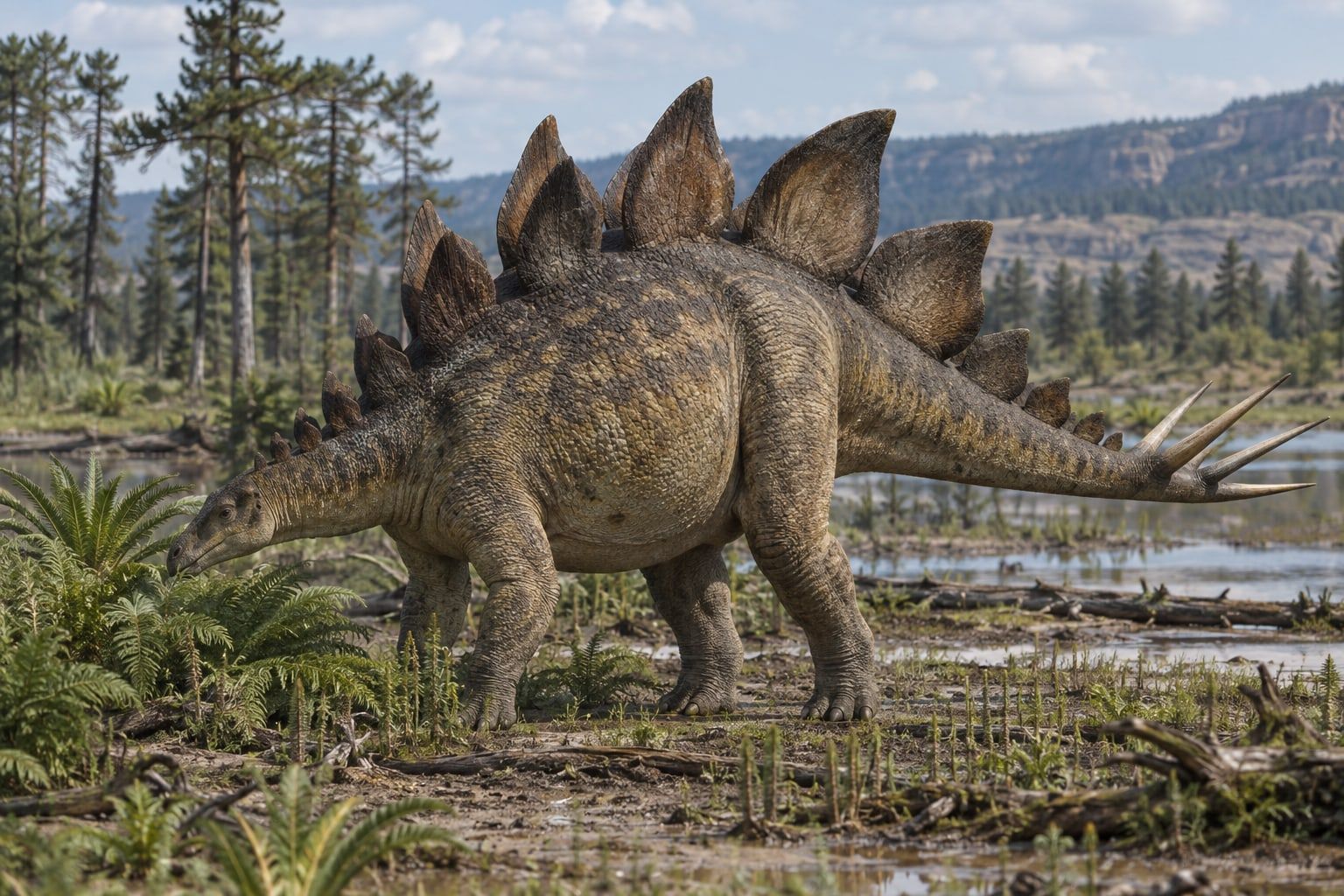
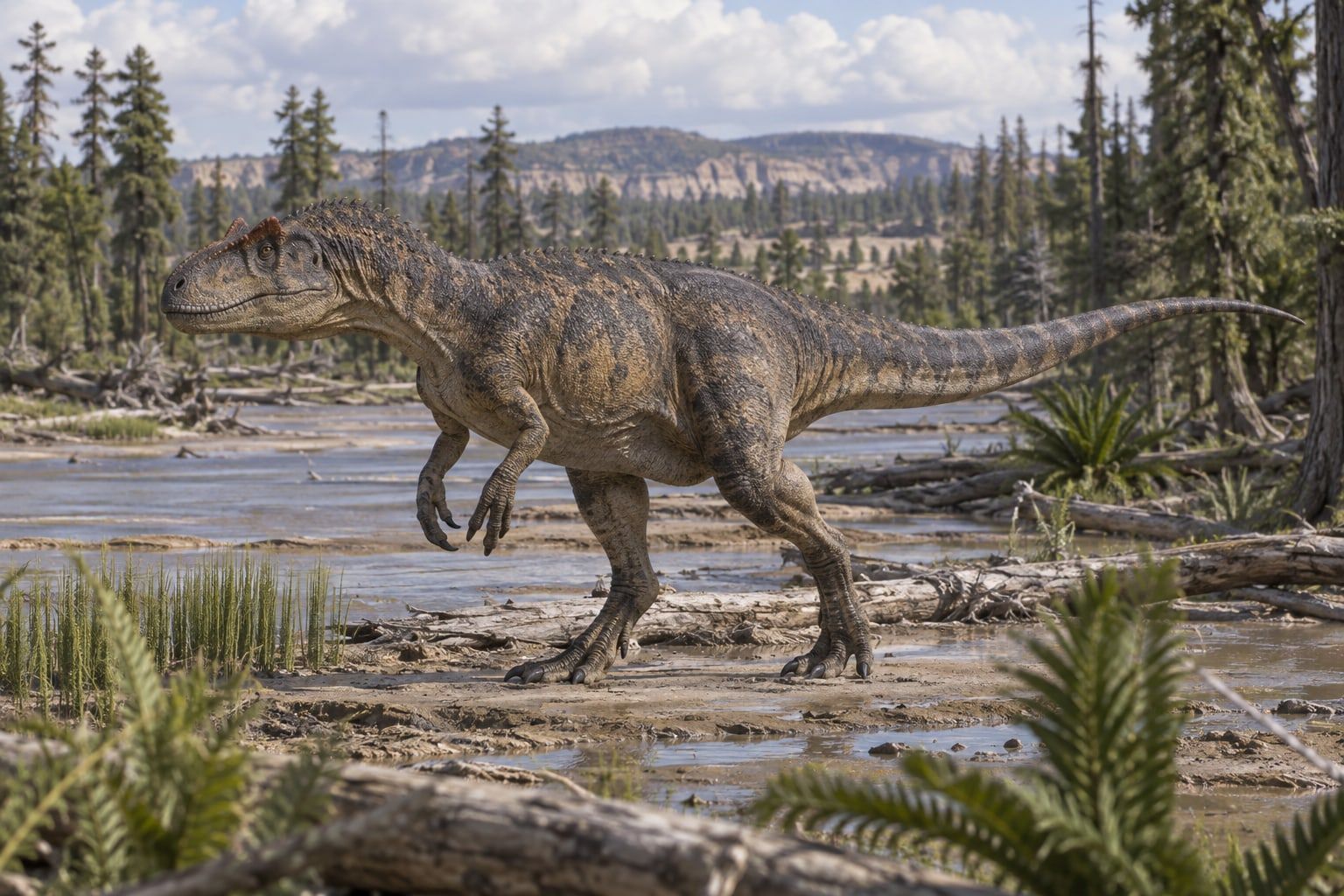
It lived about 158 to 143 million years ago, in the Late Jurassic, in what are now Colorado and Wyoming. Its bones come from the Morrison Formation, alongside Diplodocus, Brachiosaurus, Stegosaurus and Allosaurus. A find from the Kadzi Formation of Zimbabwe has also been linked to it, but that link is uncertain.
How it was found
Cope named Amphicoelias in 1877, during the early rush of dinosaur finds in the western United States. Only three finds are known.
Lived alongside
Found in the same rock formations
Close relatives
Other members of Diplodocoidea
Sources: WikidataNamed in: E. D. Cope. 1877. On Amphicoelias, a genus of Saurians from the Dakota epoch of Colorado. Proceedings of the American Philosophical Society 17:242-246