Outline: a typical theropod
Camarillasaurus
"Camarillas lizard"
Type species Camarillasaurus cirugedae
- Lived
- 126 to 121 million years ago, Early Cretaceous
- Diet
- Carnivore
- Group
- Theropods, Spinosauridae
- Found in
- Spain
- Named by
- Sánchez-Hernández and Benton 2014
Where its fossils were found
The evidence
Today
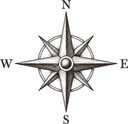
125 million years ago
Field notes
About Camarillasaurus
What it was like
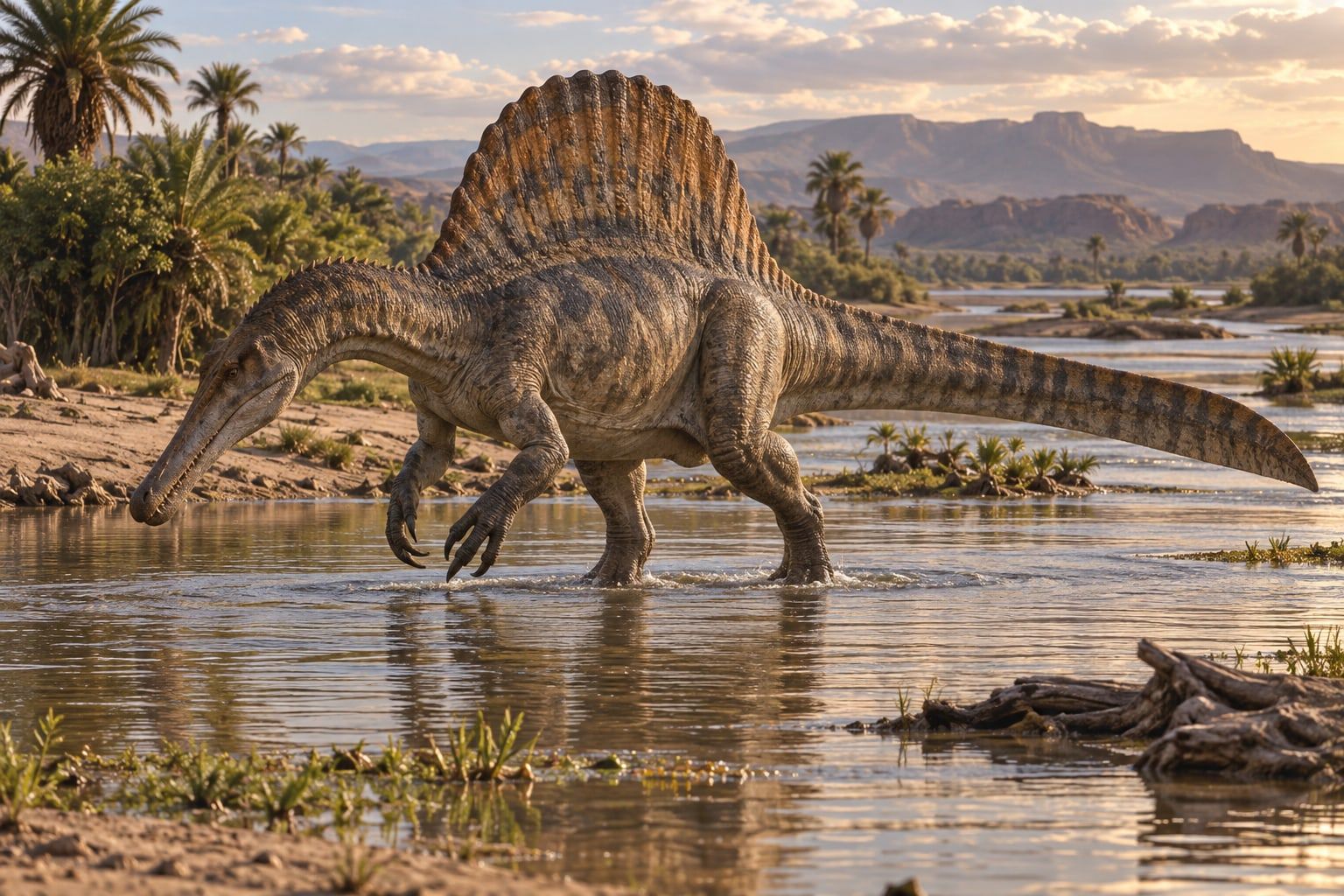
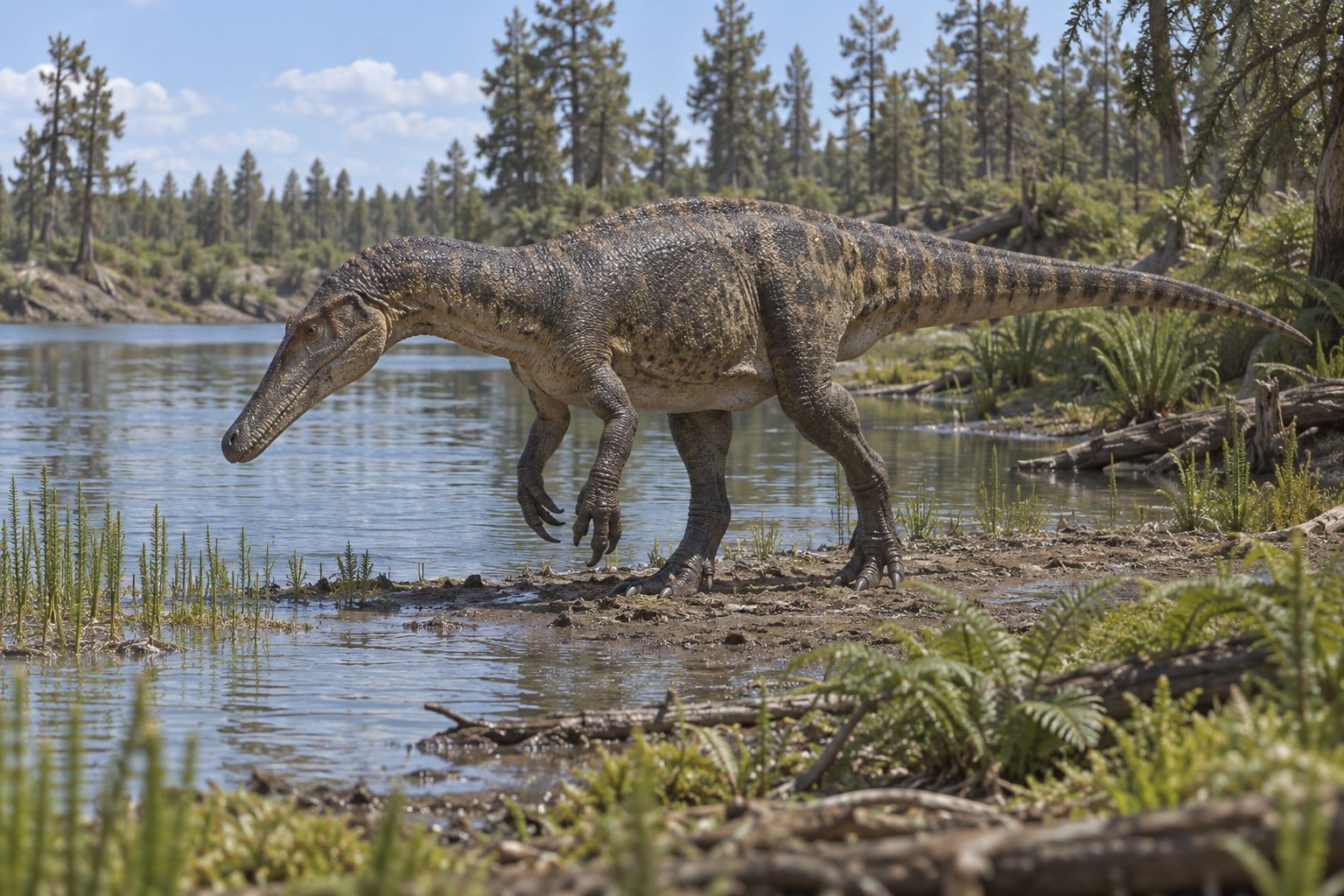
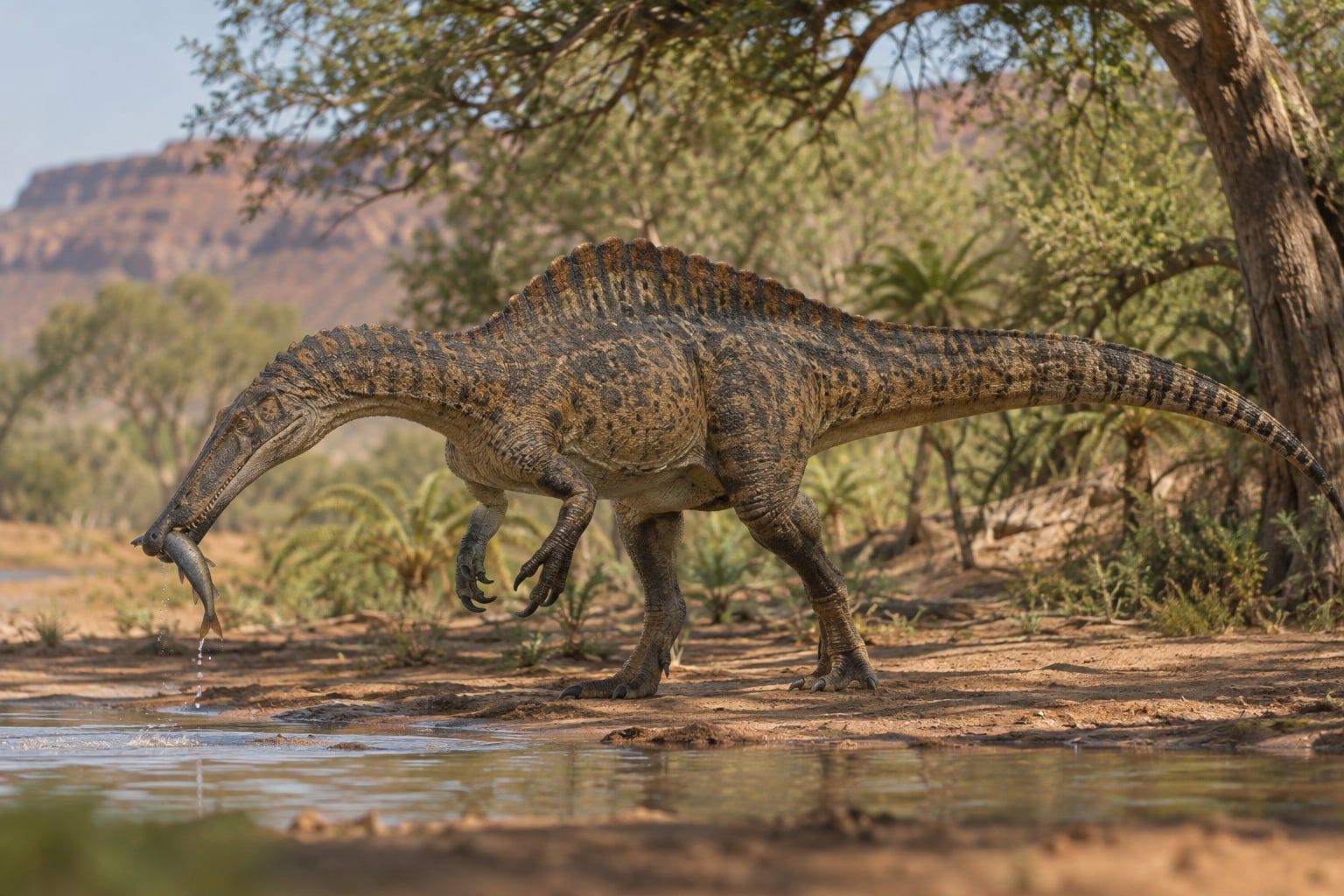
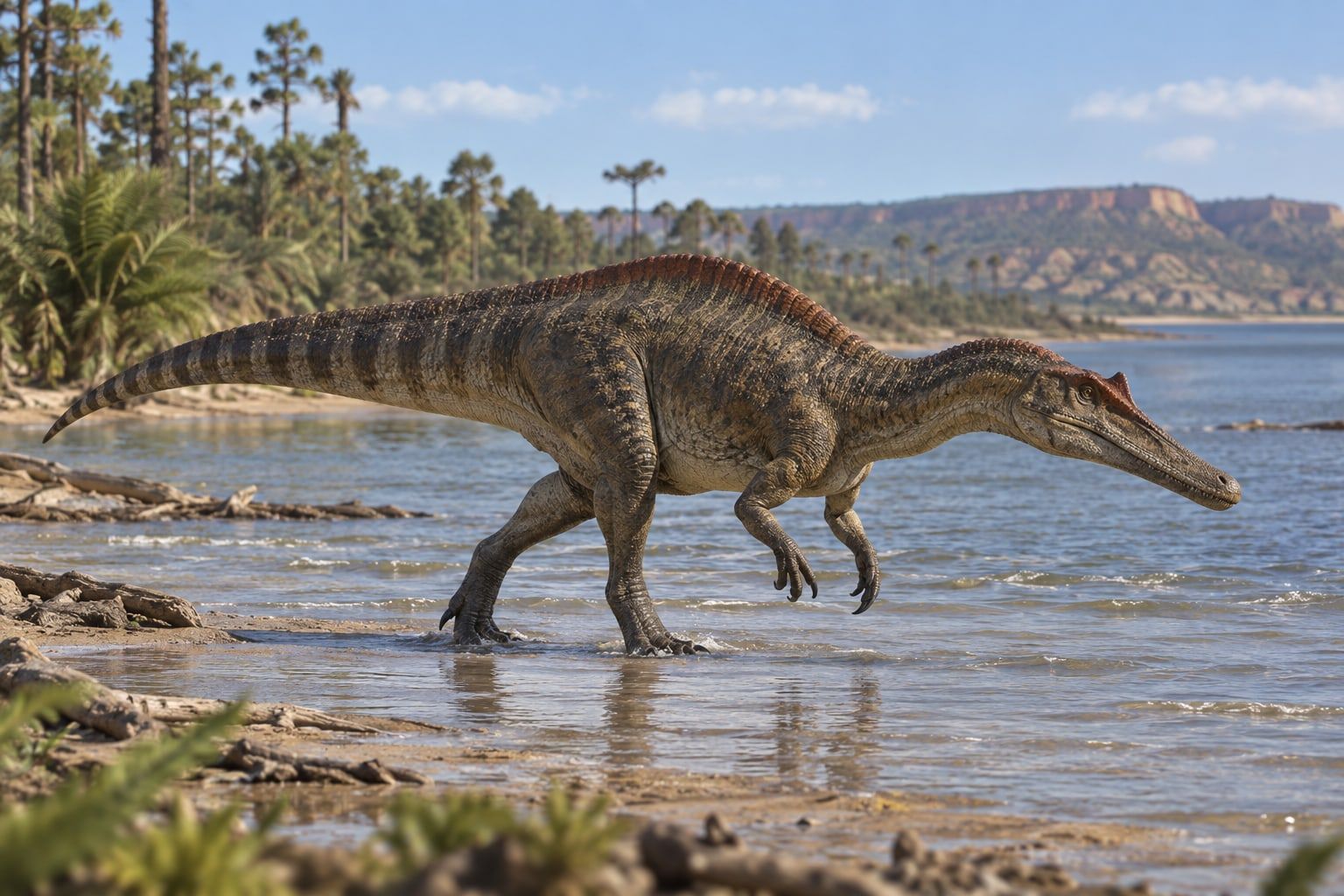
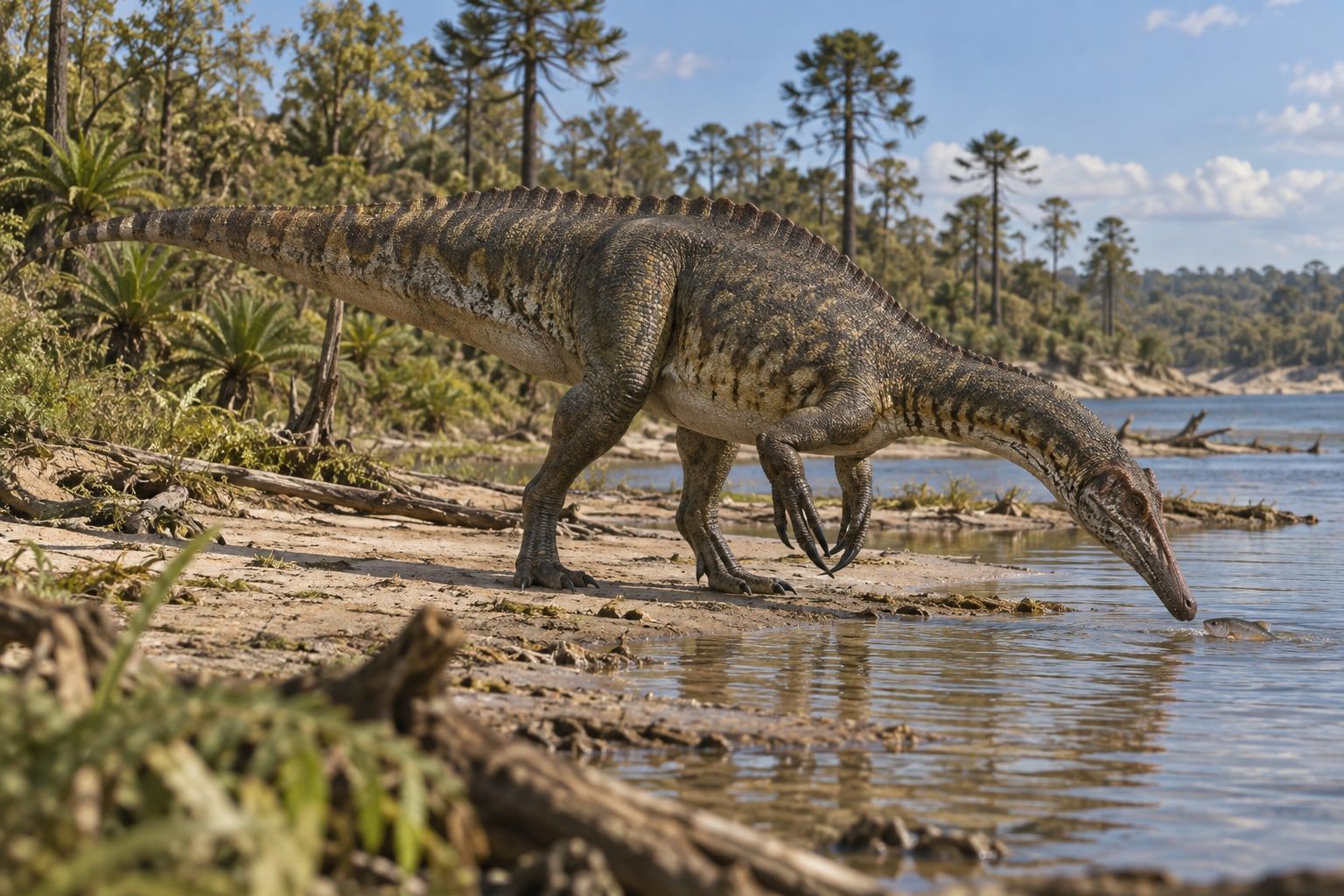
Camarillasaurus was a large meat eater known from a partial skeleton. When it was first described, scientists placed it among the ceratosaurs. Later studies found that its bones match those of the spinosaurs, the long-snouted hunters that often lived near water, and it is now thought to be a member of that family.
Its world
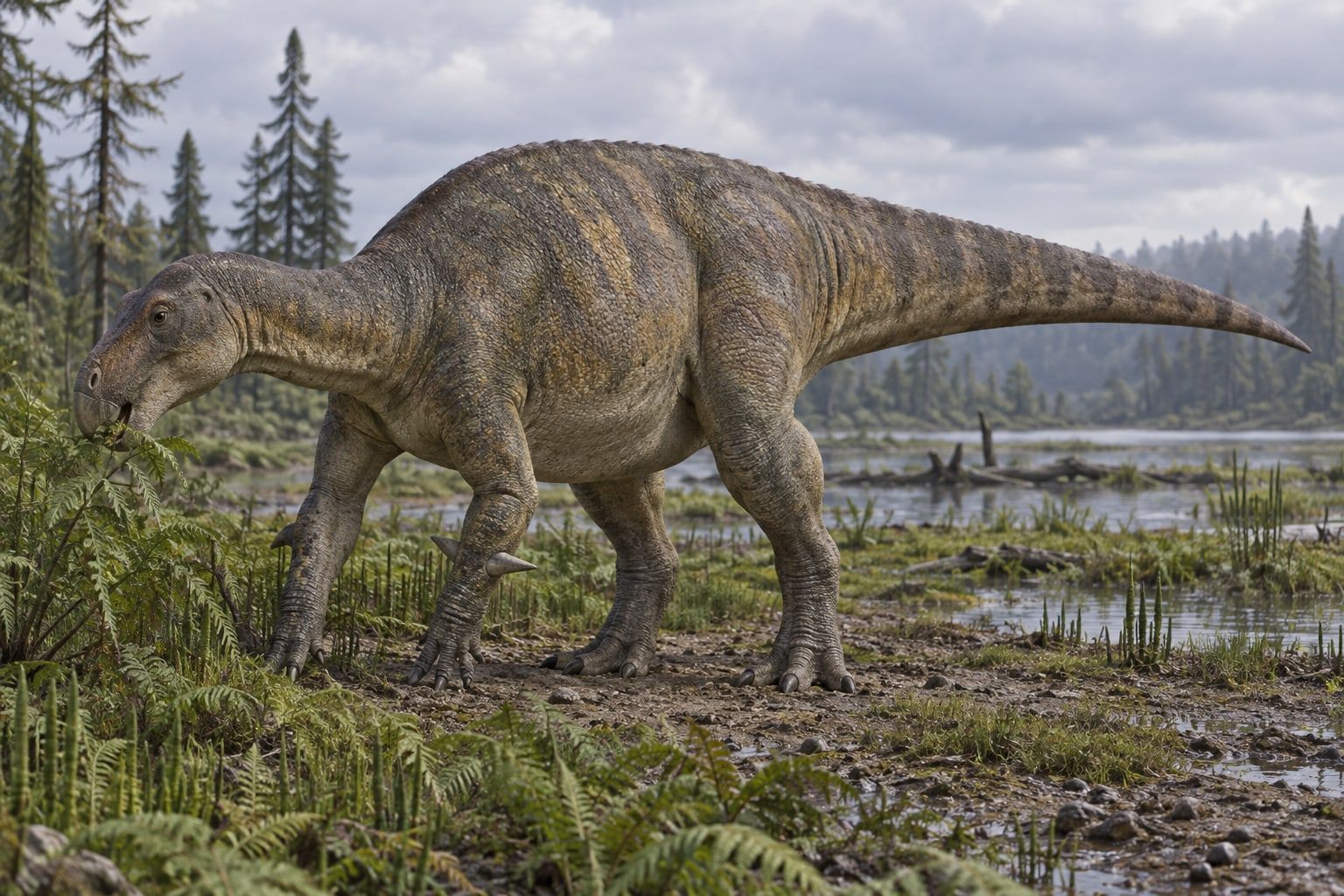
It lived about 126 to 121 million years ago, in the Early Cretaceous, in what is now northeastern Spain. Its bones come from the Camarillas Formation, where it shared the land with the plant eaters Iguanodon, Gideonmantellia and Delapparentia.
How it was found
Sánchez-Hernández and Benton named Camarillasaurus cirugedae in 2014, from a single find. It is one of several spinosaurs now known from Spain and Portugal, alongside Baryonyx and Vallibonavenatrix.
Lived alongside
Found in the same rock formations
Close relatives
Other members of Spinosauridae
Sources: WikidataNamed in: B. Sánchez-Hernández and M. J. Benton. 2014. Filling the ceratosaur gap: a new ceratosaurian theropod from the Early Cretaceous of Spain. Acta Palaeontologica Polonica 59(3):581-600