Ampelosaurus
AM-pel-oh-SORE-us
"vine lizard"
- Lived
- 84 to 66 million years ago, Late Cretaceous
- Diet
- Herbivore
- Length
- about 15 m (49 ft)
- Group
- Sauropods
- Found in
- France and Spain
- Named by
- Le Loeuff 1995
Size comparison
To scale


Scale in metersOutline: typical sauropod shape
Where its fossils were found
The evidence
Today

75 million years ago
Habitat
It lived on islands in southern Europe, alongside Rhabdodon, Arcovenator and Variraptor.
Field notes
About Ampelosaurus
What it was like
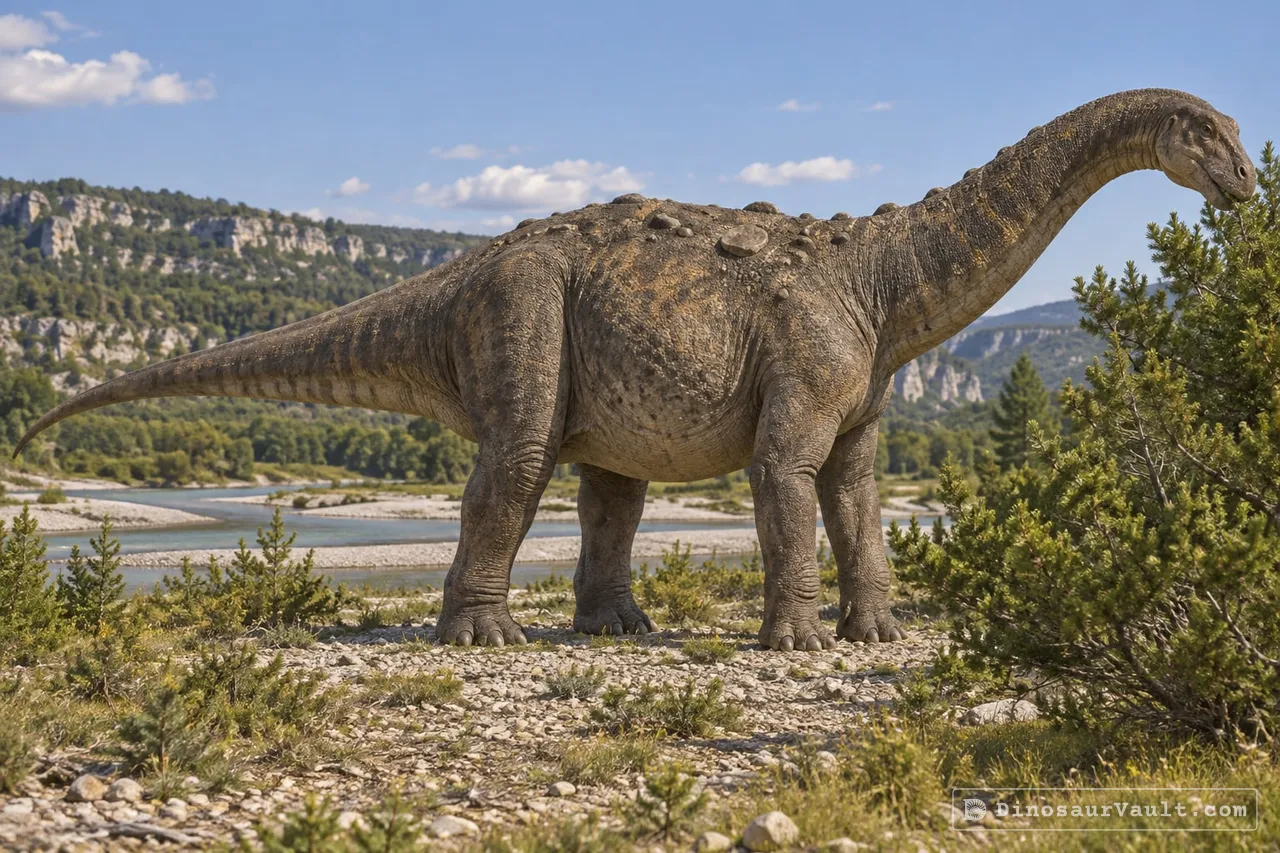
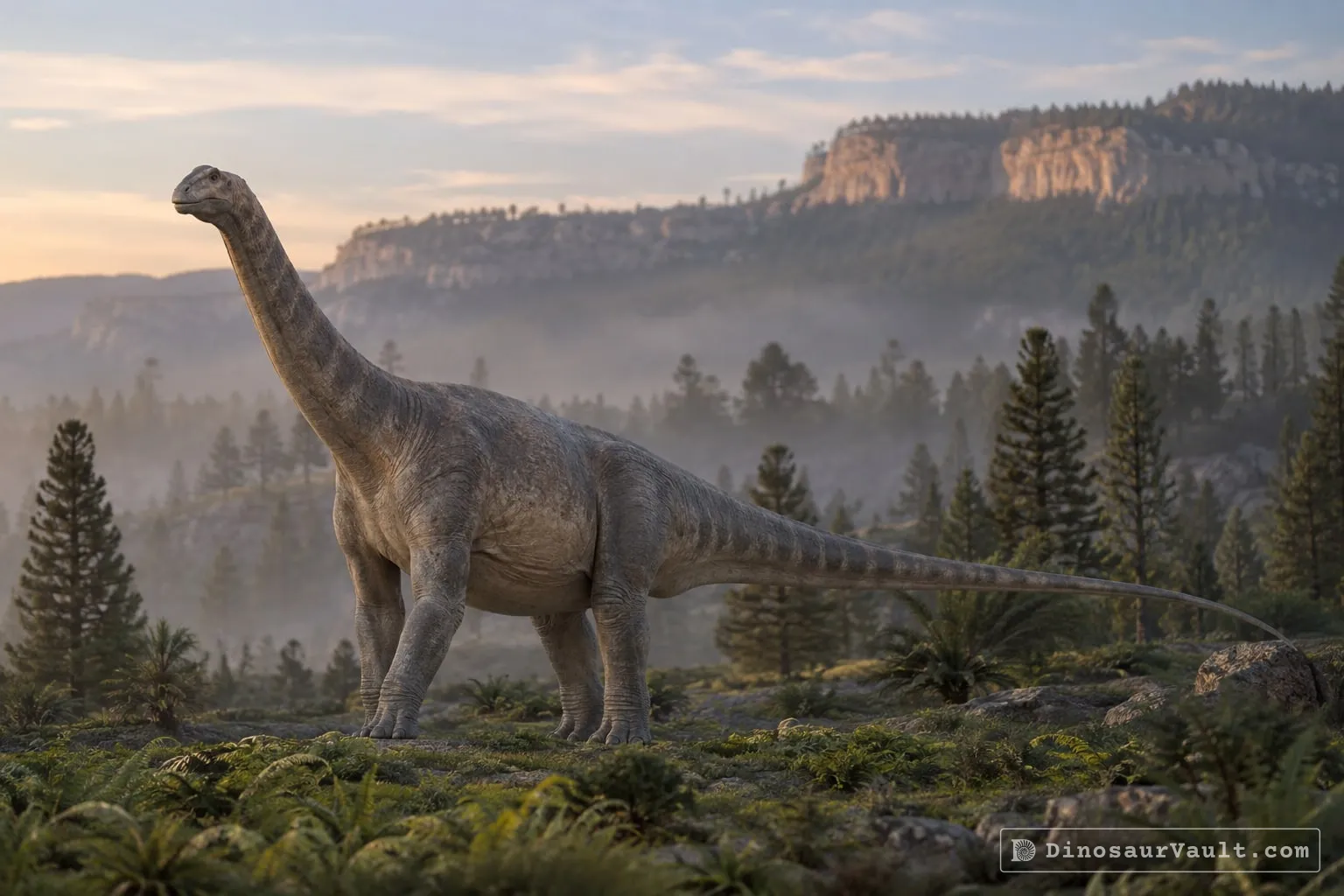
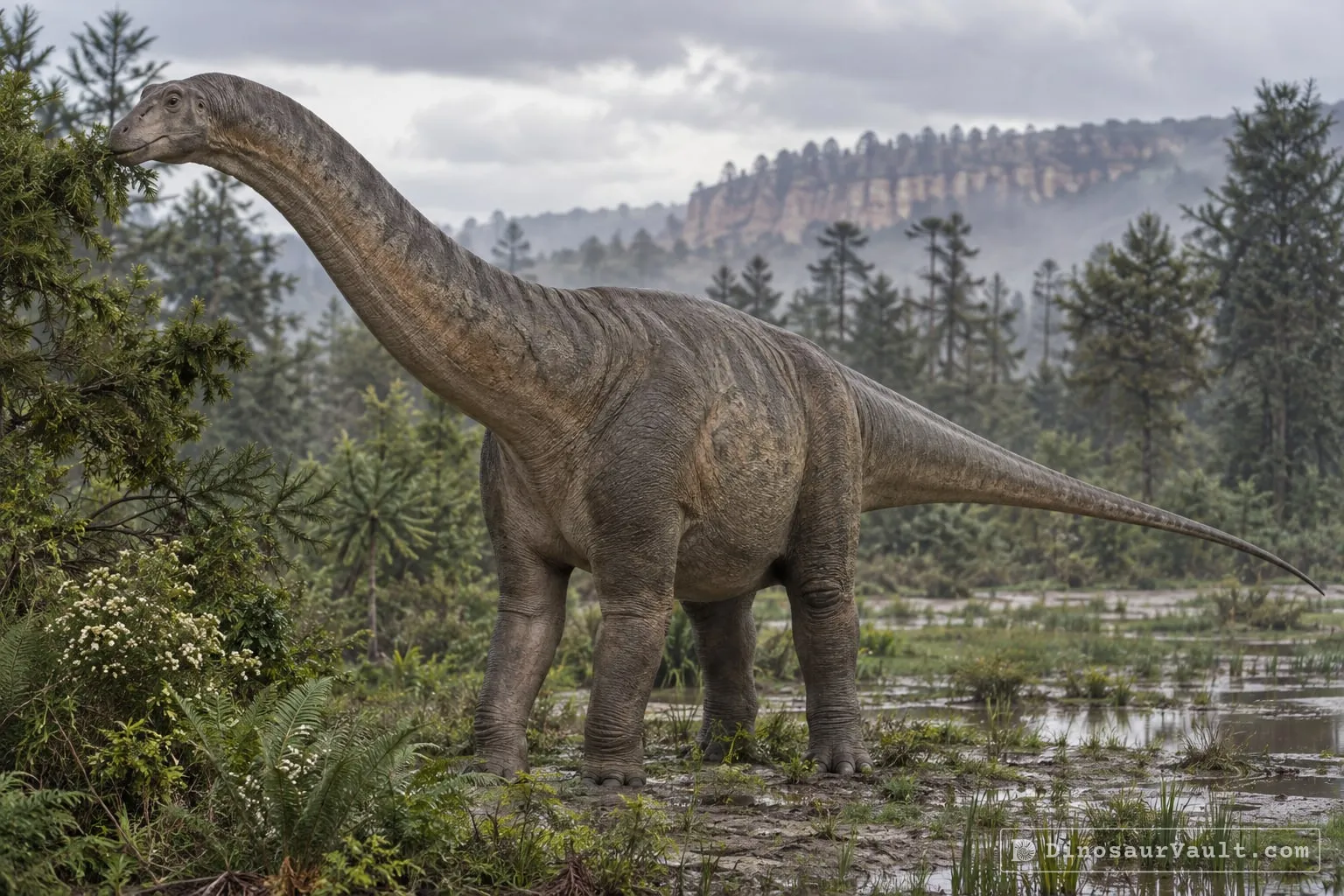
Ampelosaurus was a titanosaur, a long-necked plant eater, about 15 meters (49 feet) long. That is small for a titanosaur, and it may reflect life on islands, where food was limited.
Like several of its relatives it carried bony plates called osteoderms in its skin. Some of these were large and spiny, a kind of light armor on a long-necked giant.
Its world
It lived about 84 to 66 million years ago, in the Late Cretaceous, in what are now France and Spain. At the time much of southern Europe was a chain of islands. It shared that land with the plant eater Rhabdodon and the meat eaters Arcovenator and Variraptor.
How it was found
Le Loeuff named Ampelosaurus in 1995, after bones found near vineyards in southern France, which gave it its name. Five finds are known, some with many bones, though not every bone from the main site may belong to this one animal.
Field gallery
More views of Ampelosaurus
Scenes reconstructed from the available fossil evidence.
1 of 3
Lived alongside
Found in the same rock formations
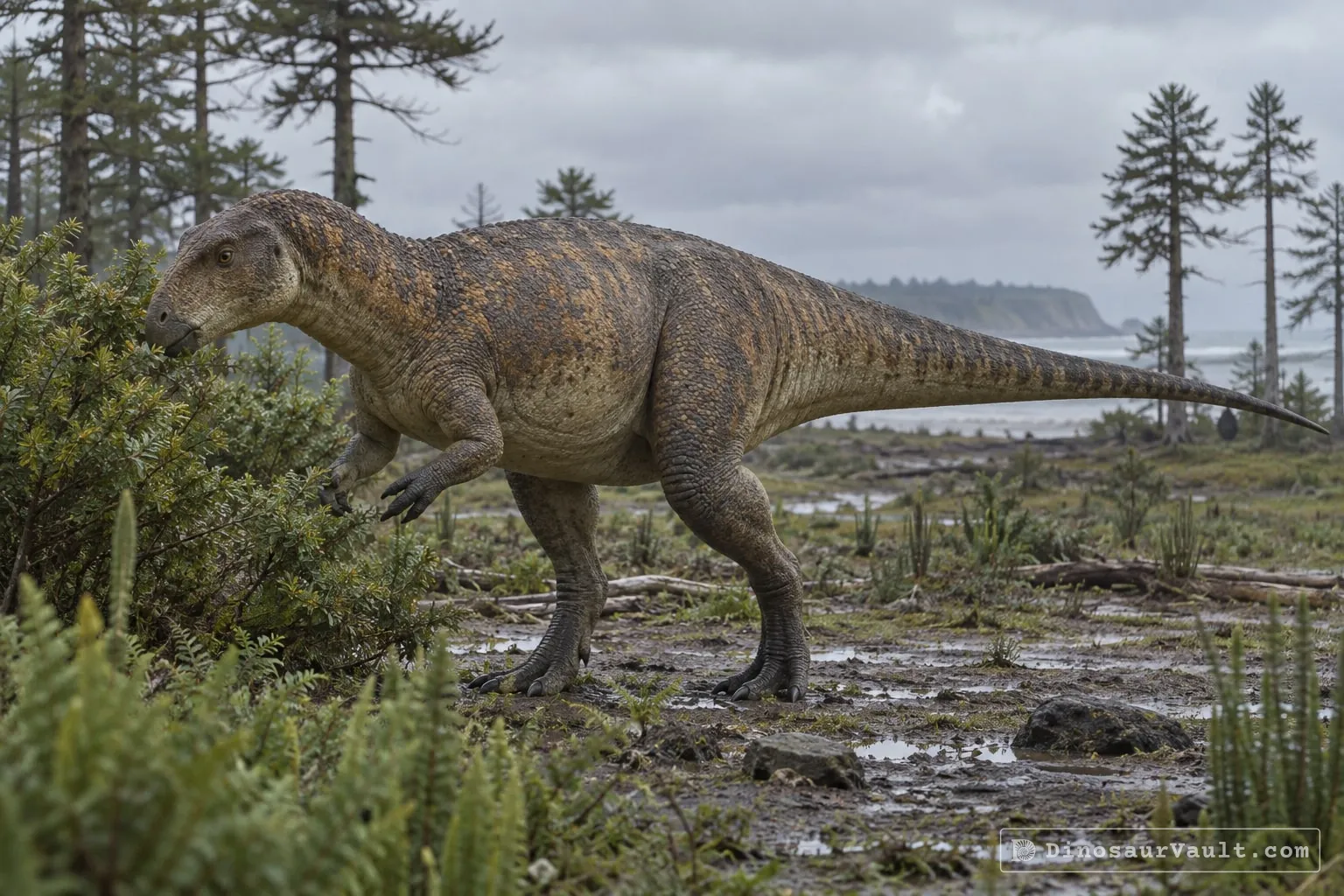
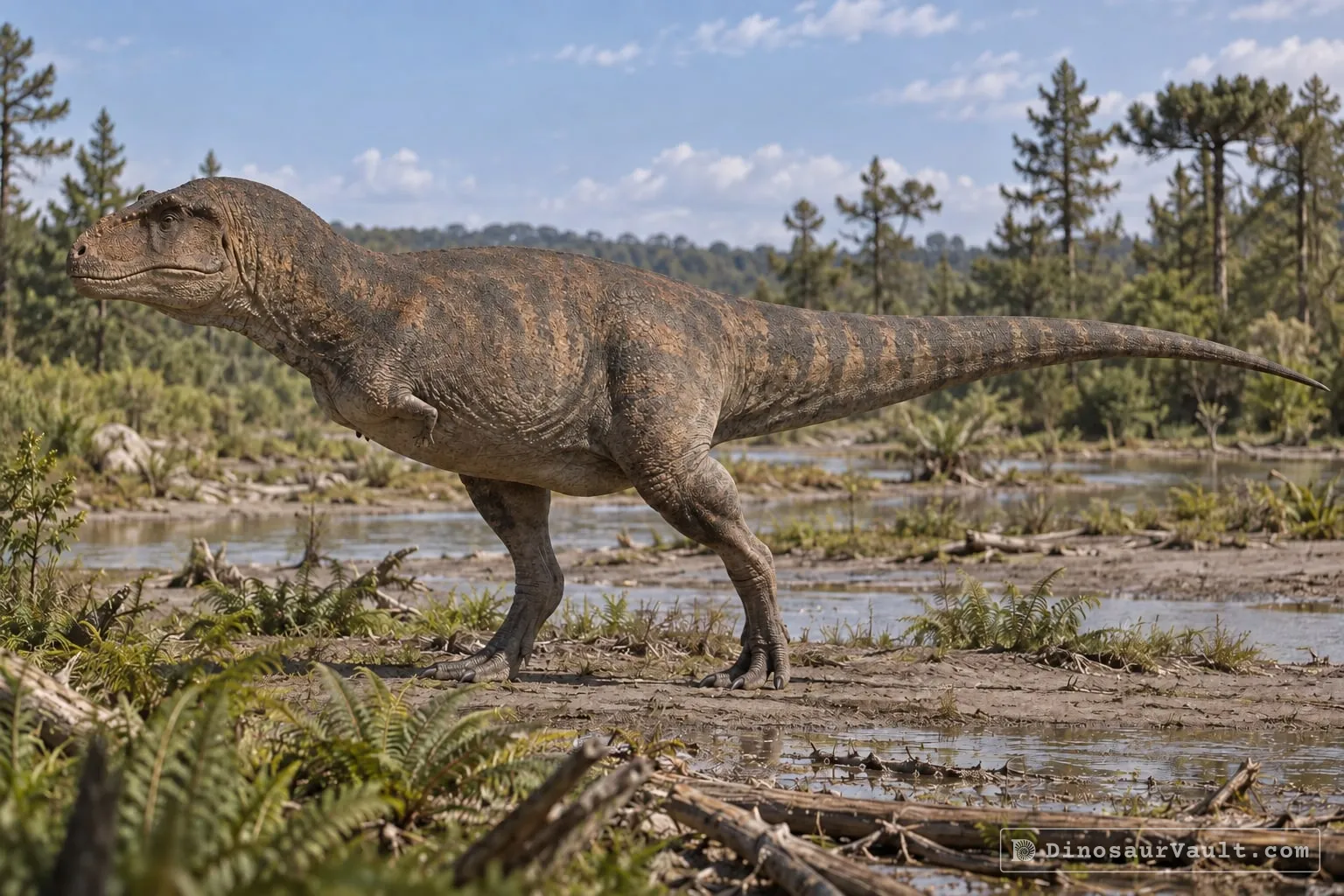
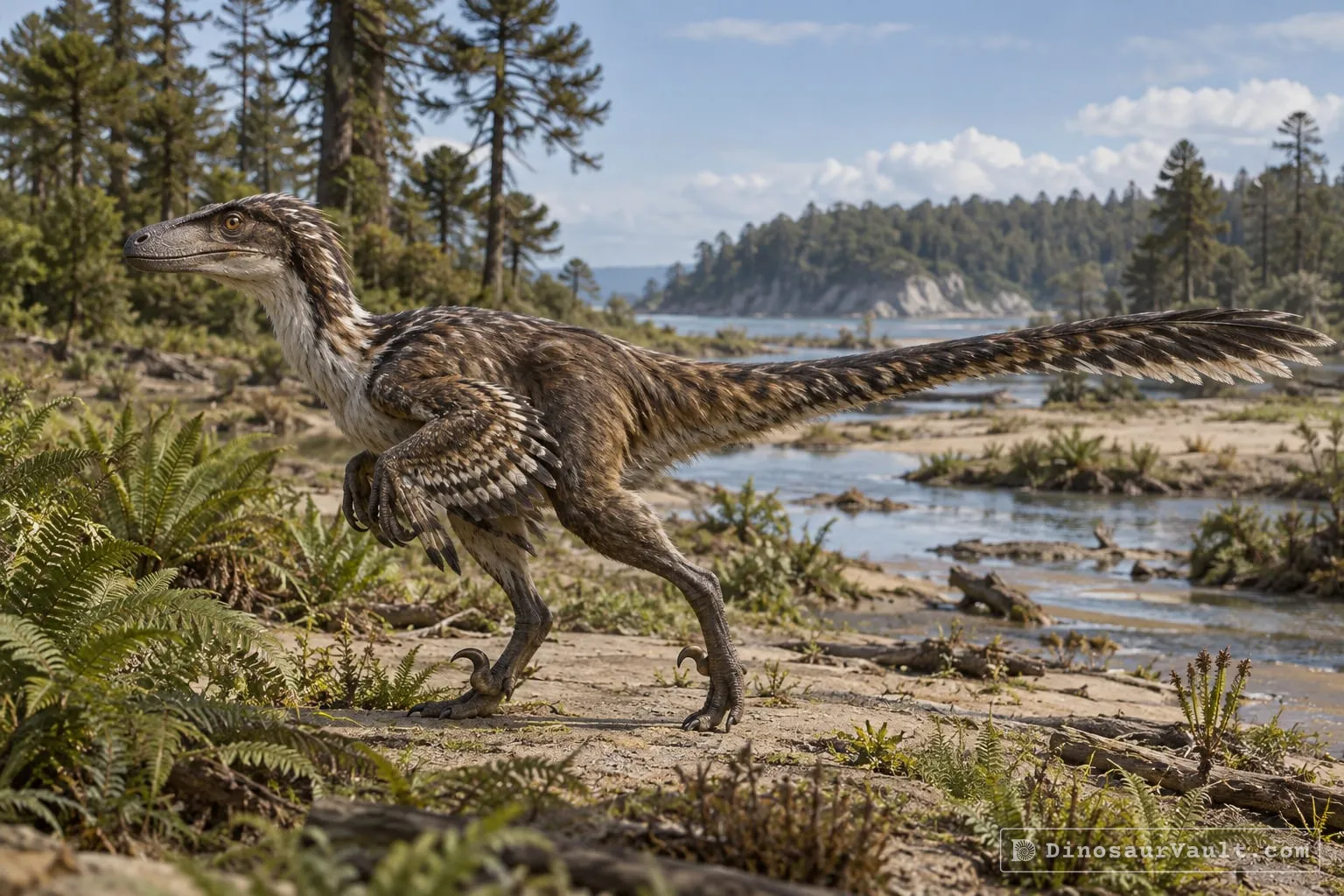
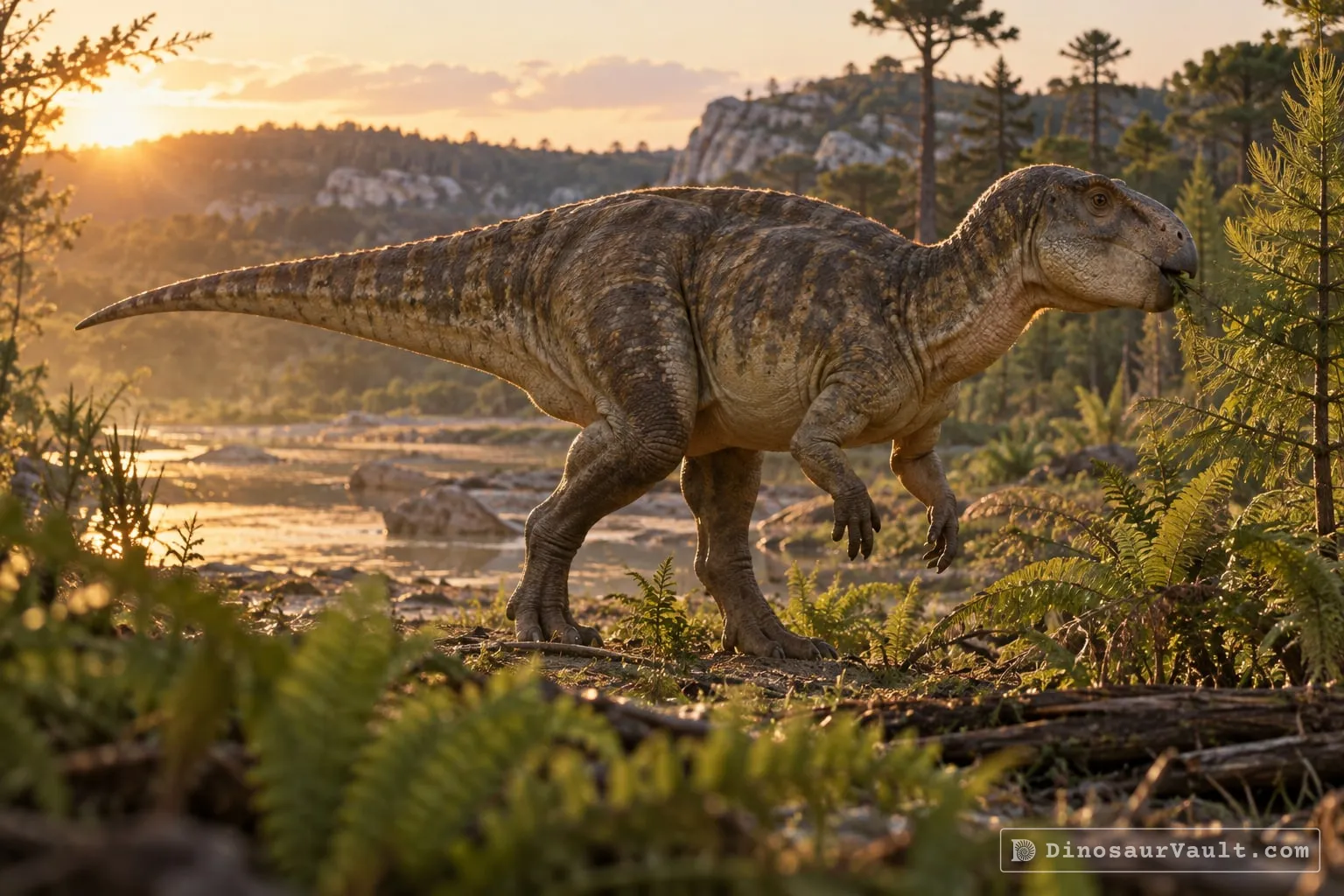


A rock formation can hold fossils laid down millions of years apart, so not every animal here met Ampelosaurus.
The evidence
The science behind Ampelosaurus
Which parts of the picture come from its own bones, and which come from its relatives.
From its own fossils
- The name is anchored to a short, connected series of middle back vertebrae.
- Limb bones, teeth and bony skin plates have also been assigned to Ampelosaurus from a site with many sauropod bones.
Borrowed from relatives
- Tapuiasaurus provides a comparison for a small, elongated titanosaur head.
- Dreadnoughtus helps restore the sturdy trunk, limbs and tail.
Still unknown
- Which bones from the mixed bonebed belong to the same species as the original back vertebrae.
- The full arrangement of its bony skin plates.
- Its color and the exact proportions of its head and neck.
Often drawn wrong
- Fixed rows of identical spikes turn scattered bony skin plates into an unsupported armor pattern.
Discovery timeline
- 1995Named itLoeuff
- 2011Close relativeZaher et al.
- 2012Growing upKlein et al.
Key papers
The research behind what we know of Ampelosaurus
Named it
Named Ampelosaurus from back vertebrae and assigned additional bones and bony skin plates from the same site to it.
Ampelosaurus atacis (nov, gen., nov. sp.), un nouveau Titanosauridae (Dinosauria, Sauropoda) du Crétacé supérieur de la Haute Vallée de l'Aude (France) [Ampelosaurus atacis (nov, gen., nov. sp.), a new titanosaurid (Dinosauria, Sauropoda) from the Upper Cretaceous of the Upper Aude Valley (France)]. Comptes Rendus de l'Académie des Sciences à Paris, Série IIa 321: 693-699
No link available
Close relative
Described the elongated skull of Tapuiasaurus, a comparison for restoring the poorly known head of Ampelosaurus.
A Complete Skull of an Early Cretaceous Sauropod and the Evolution of Advanced Titanosaurians. PLoS ONE 6: e16663
Read the paper : A Complete Skull of an Early Cretaceous Sauropod and the Evolution of Advanced Titanosaurians (opens in a new tab)Growing up
Bones assigned to Ampelosaurus showed slower tissue deposition than in many sauropods and extensive rebuilding of bone during growth.
Modified Laminar Bone in Ampelosaurus atacis and Other Titanosaurs (Sauropoda): Implications for Life History and Physiology. PLoS ONE 7: e36907
Read the paper : Modified Laminar Bone in Ampelosaurus atacis and Other Titanosaurs (Sauropoda): Implications for Life History and Physiology (opens in a new tab)
Close relatives
Other members of Lirainosaurinae


Sources: Wikidata