Xiaosaurus
"dawn lizard"
- Lived
- 171 to 155 million years ago, Middle Jurassic to Late Jurassic
- Diet
- Herbivore
- Group
- Early ornithischians, Fabrosauridae
- Found in
- China
- Named by
- Dong and Tang 1983
Where its fossils were found
The evidence
Today

165 million years ago
Habitat
Rivers and lakes crossed the plains where the Shaximiao Formation accumulated. Other dinosaurs from these rocks include Shunosaurus, Huayangosaurus and Mamenchisaurus.
Field notes
About Xiaosaurus
What it was like
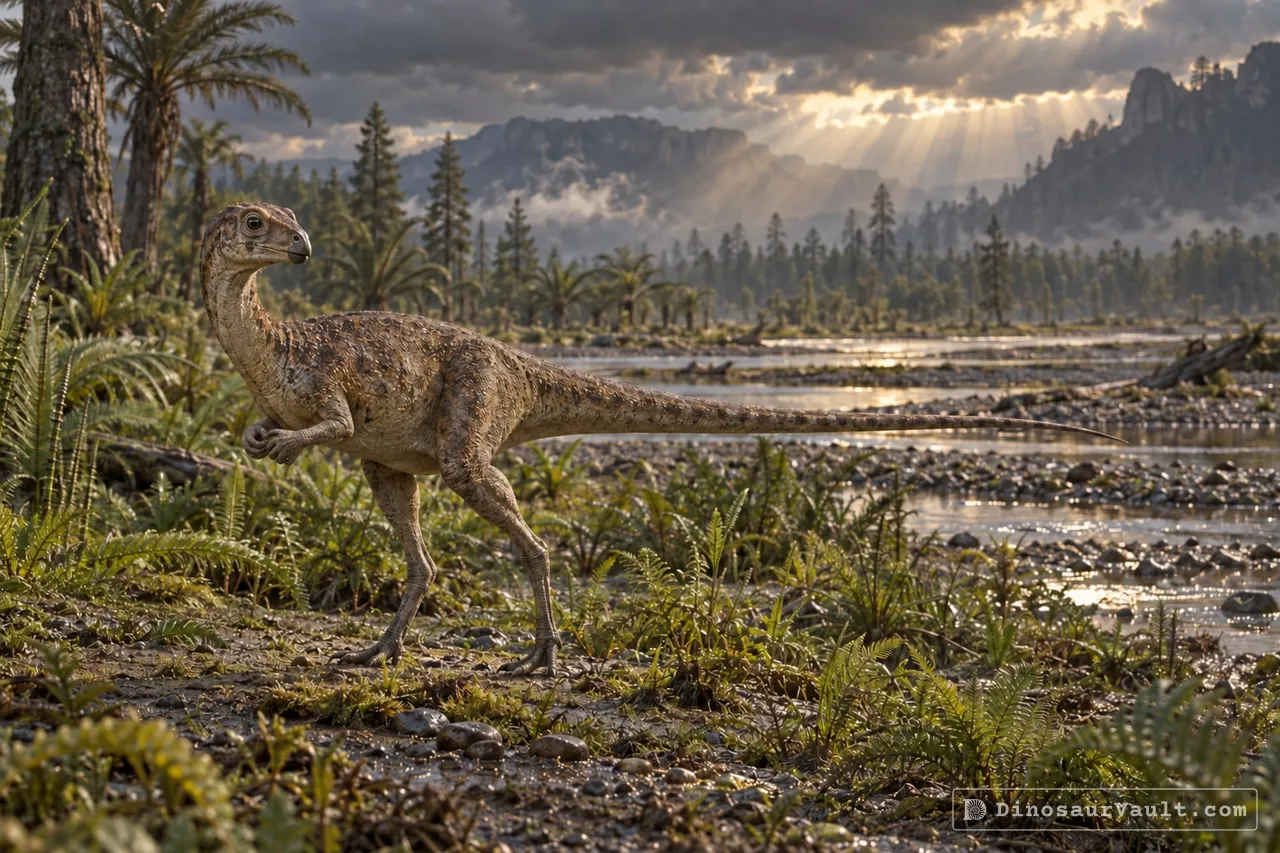
Xiaosaurus was a small plant eater that ran on two legs. It is known from a few bones and teeth, so its looks are uncertain.
Its world
It lived in the Jurassic, in what is now China. It comes from the Shaximiao Formation, home to the sauropods Shunosaurus and Mamenchisaurus and the stegosaur Huayangosaurus.
How it was found
Dong and Tang named Xiaosaurus in 1983.
Field gallery
More views of Xiaosaurus
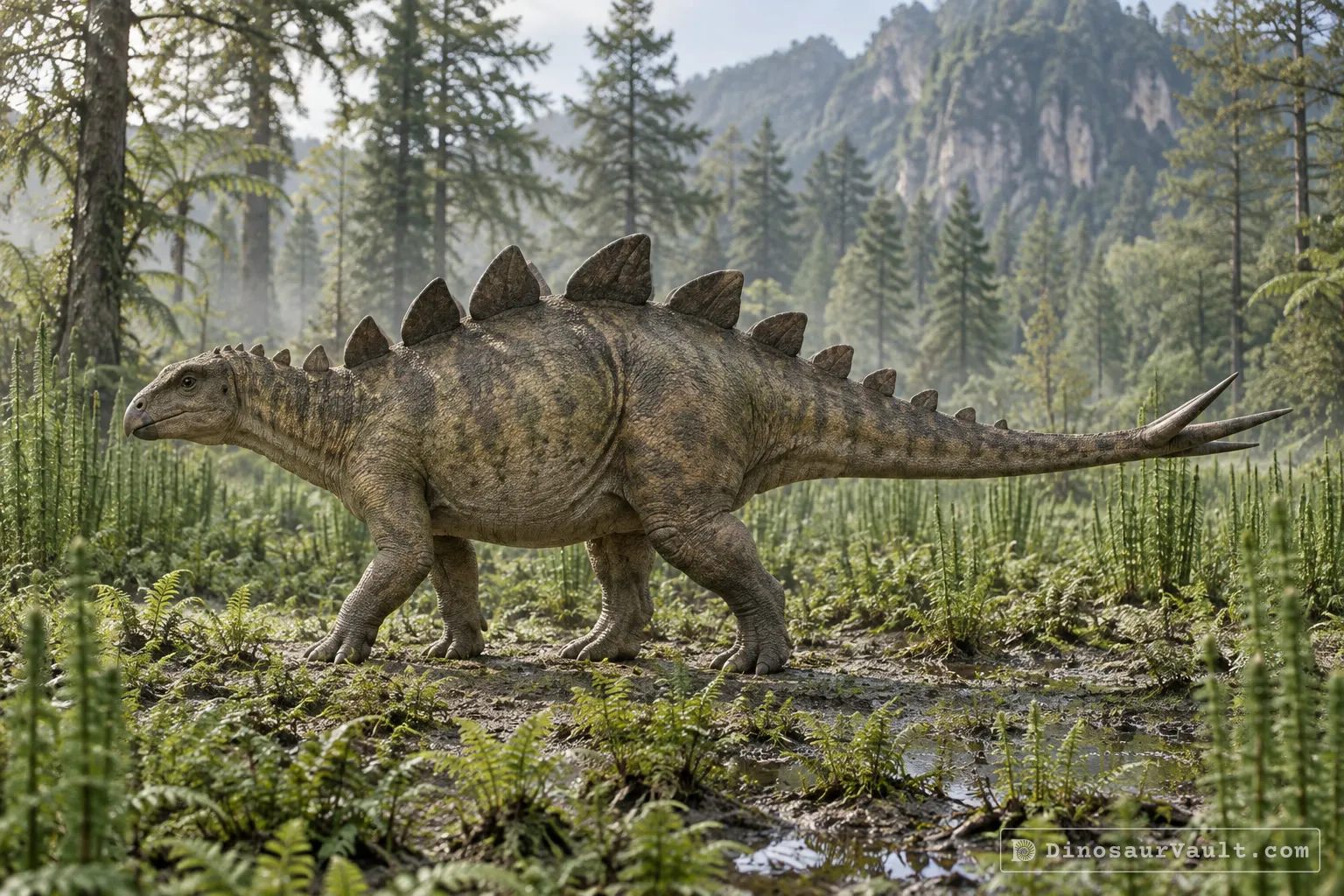
Scenes reconstructed from the available fossil evidence.
1 of 2
Lived alongside
Found in the same rock formations
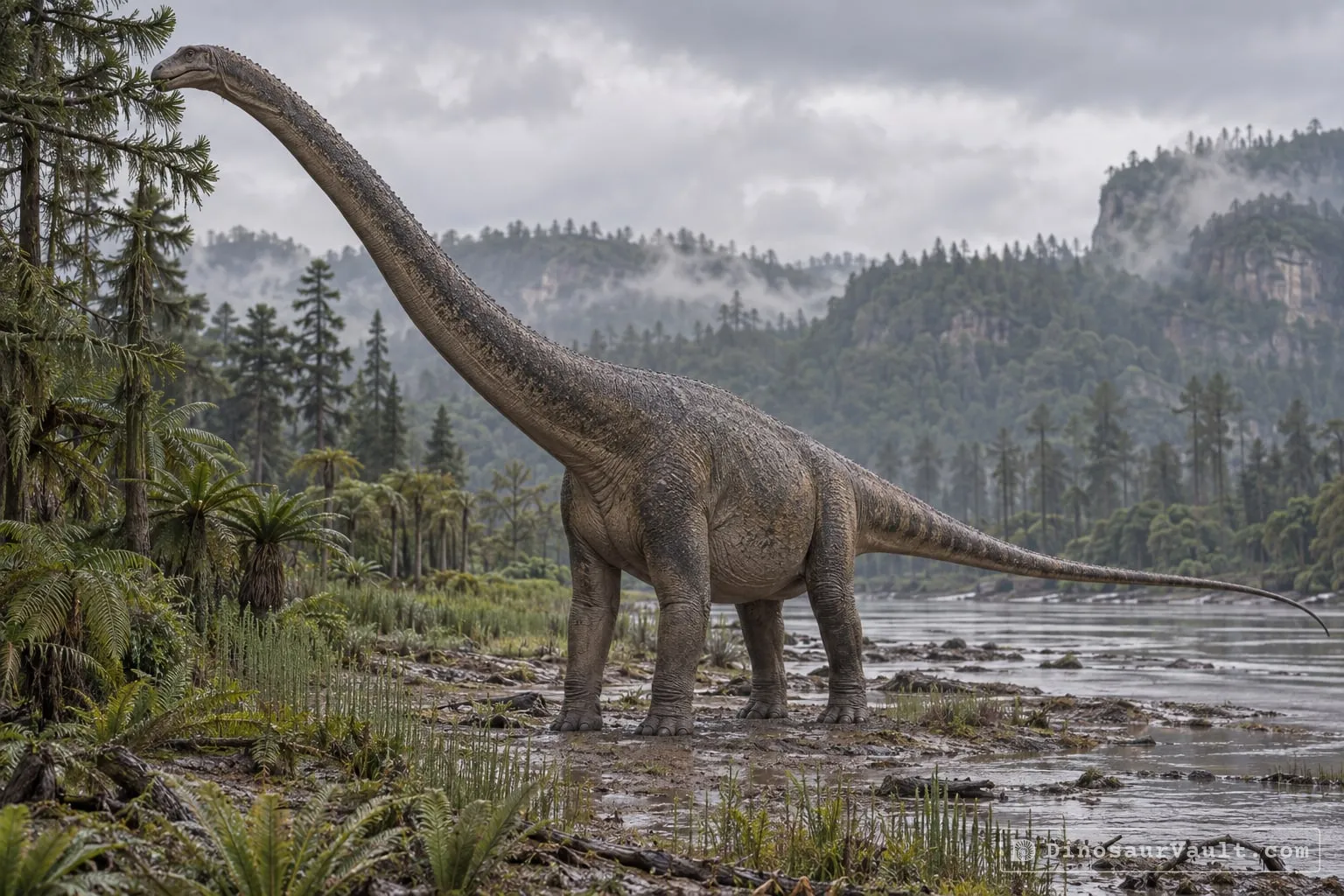
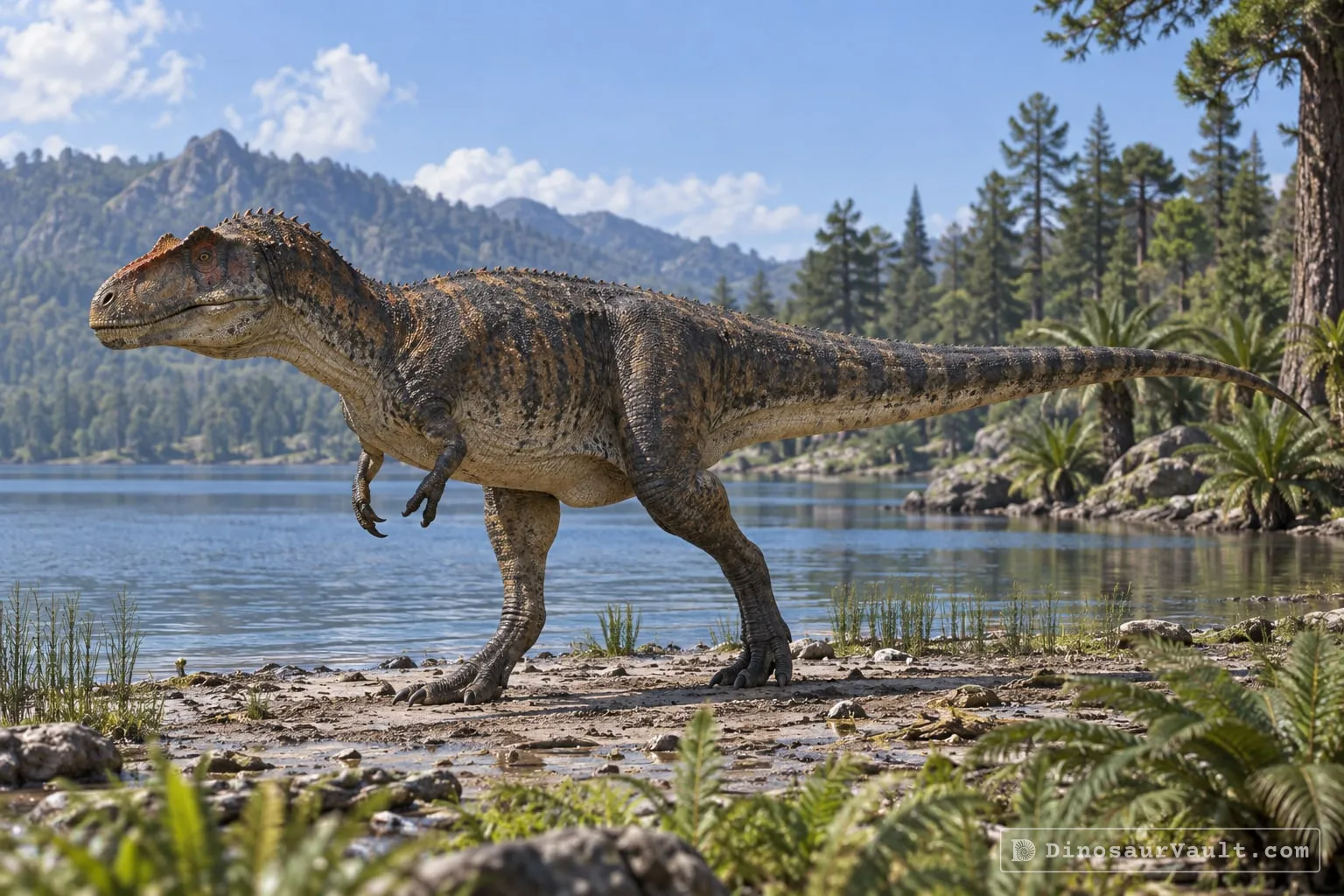
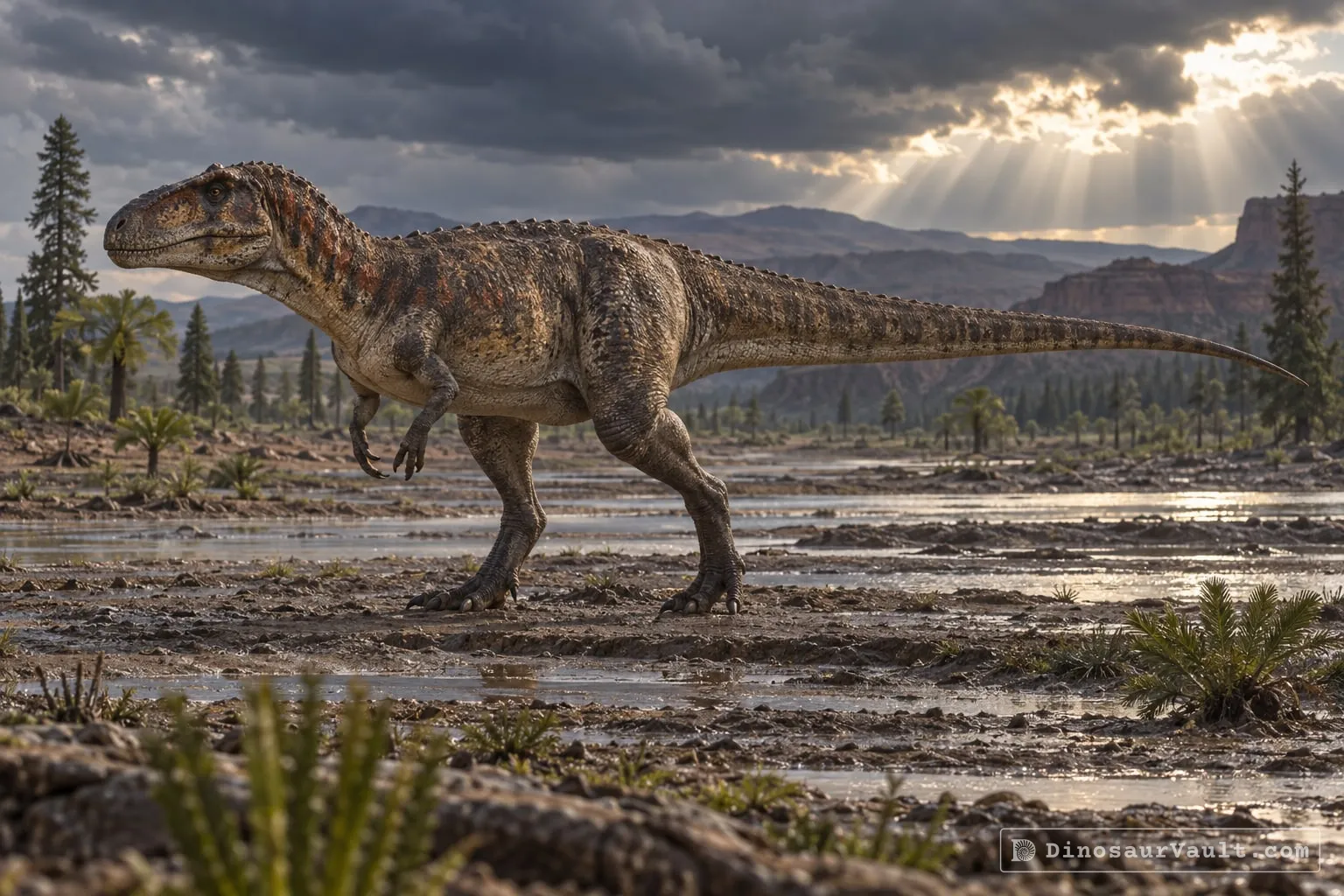
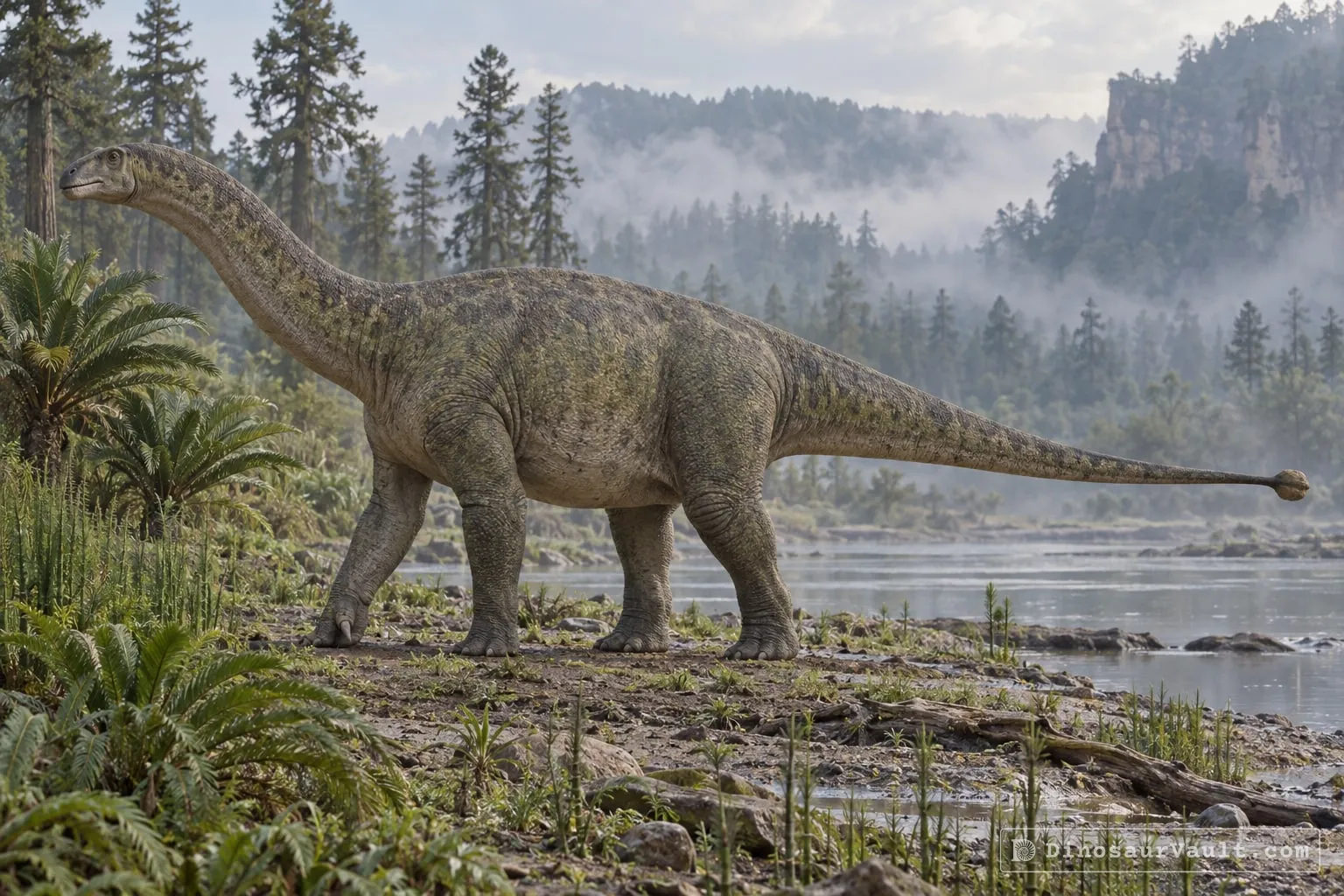
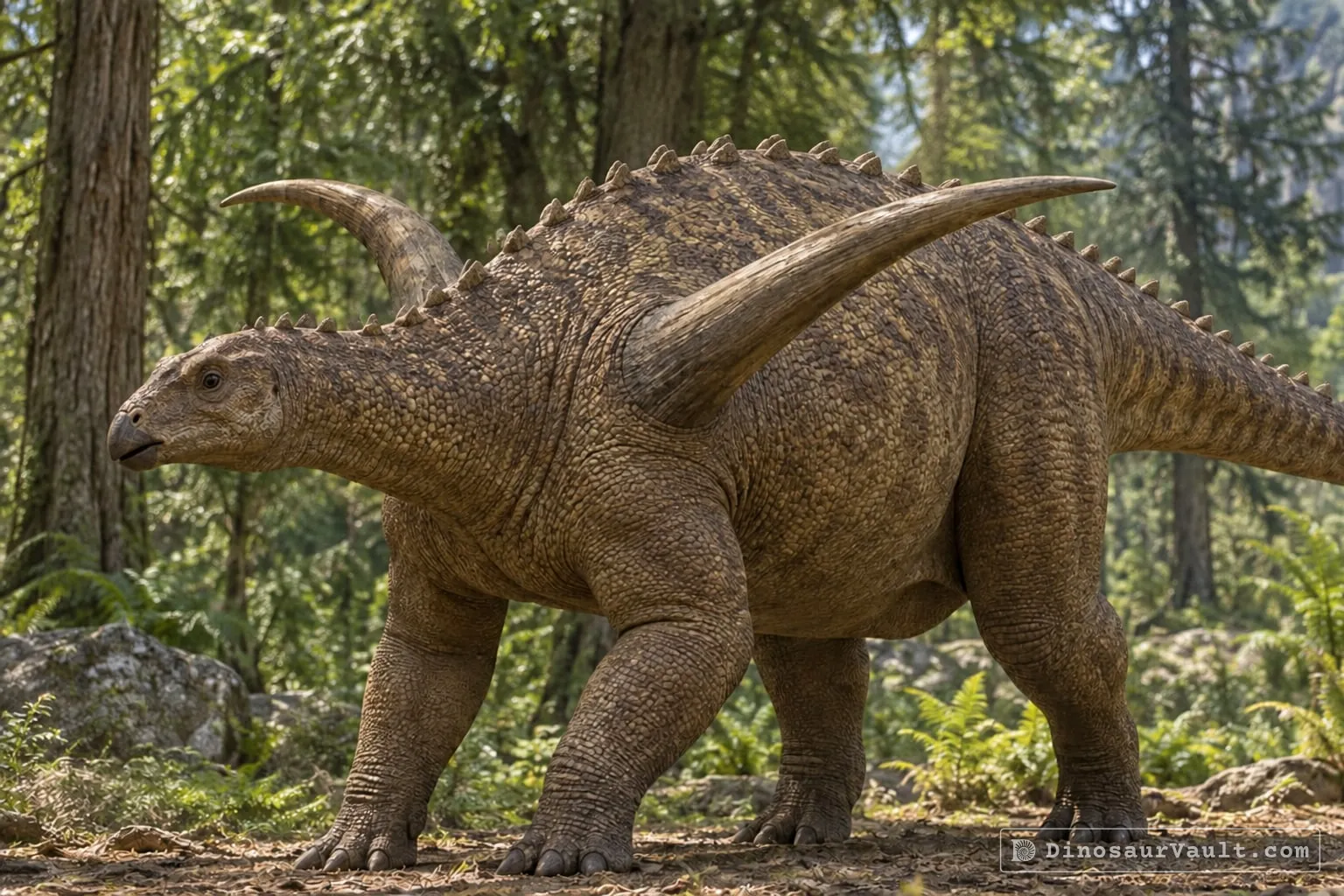
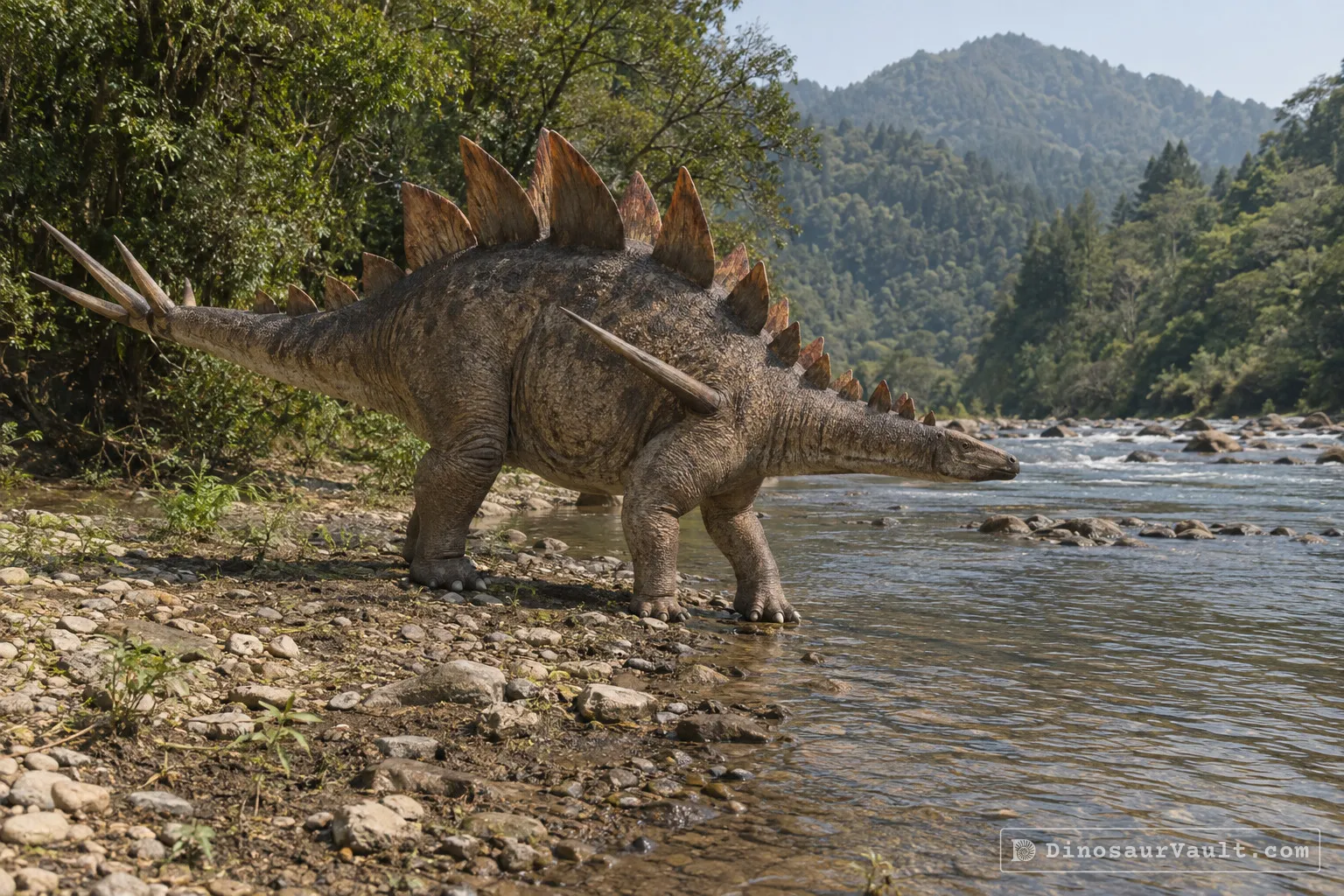
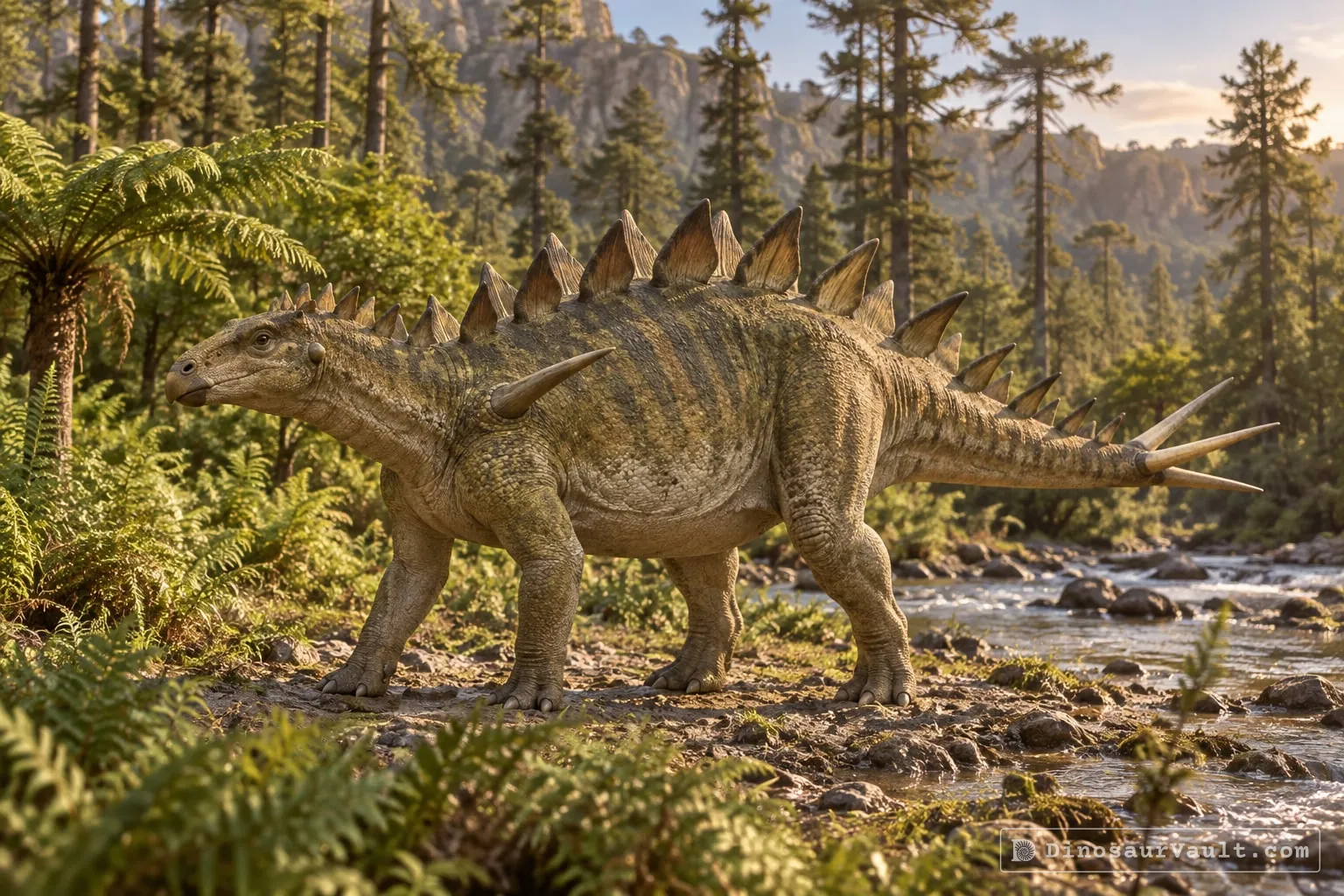


A rock formation can hold fossils laid down millions of years apart, so not every animal here met Xiaosaurus.
The evidence
The science behind Xiaosaurus
Which parts of the picture come from its own bones, and which come from its relatives.
From its own fossils
- The type specimen includes part of an upper jaw, vertebrae, an upper arm bone and hindlimb bones. A separately referred specimen includes teeth, vertebrae, a thigh bone and a digit bone.
- The teeth in the referred specimen have flattened crowns with small serrations along their edges.
- The type specimen has an upper arm bone that is straight near the shoulder. A third toe claw described for Xiaosaurus is elongated.
Borrowed from relatives
- Lesothosaurus provides broader early ornithischian comparisons for the missing skull, neck, trunk and tail.
- Fona provides broader comparisons for the missing hands and parts of the feet.
Still unknown
- Its exact place in the ornithischian family tree.
- Whether it is a distinct genus: it was once doubted, and one review kept it provisionally because of its upper arm bone, without relocating the original bones.
- The full shape of its skull and body, and its skin covering and color.
Discovery timeline
- 1983Named itDong & Tang
- 2005Family treeBarrett, Butler & Knoll
- 2015Family treeBoyd
Key papers
The research behind what we know of Xiaosaurus
Named it
Named a small plant eater from incomplete skeletons, including teeth, vertebrae and limb bones.
New ornithopod genus from the Middle Jurassic of Sichuan Basin, China . Vertebrata PalAsiatica 21(2):168-171.
No link available
Family tree
Provisionally retained Xiaosaurus as a distinct early ornithischian, using its straight upper arm bone to distinguish it from other small plant eaters.
Small-bodied ornithischian dinosaurs from the Middle Jurassic of Sichuan, China. Journal of Vertebrate Paleontology 25: 823-834
Read the paper : Small-bodied ornithischian dinosaurs from the Middle Jurassic of Sichuan, China (opens in a new tab)Family tree
Reviewed Xiaosaurus but excluded it from the family-tree analysis because its remains were too fragmentary and poorly described.
The systematic relationships and biogeographic history of ornithischian dinosaurs. PeerJ 3: e1523
Read the paper : The systematic relationships and biogeographic history of ornithischian dinosaurs (opens in a new tab)
Close relatives
Other members of Fabrosauridae

Sources: Wikidata