Outline: a typical ceratopsian
Sierraceratops
"Sierra horned face"
Type species Sierraceratops turneri
- Lived
- 84 to 66 million years ago, Late Cretaceous
- Diet
- Herbivore
- Group
- Ceratopsians, Ceratopsidae
- Found in
- United States
- Named by
- Dalman et al. 2022
Where its fossils were found
The evidence
Today

75 million years ago
Field notes
About Sierraceratops
What it was like
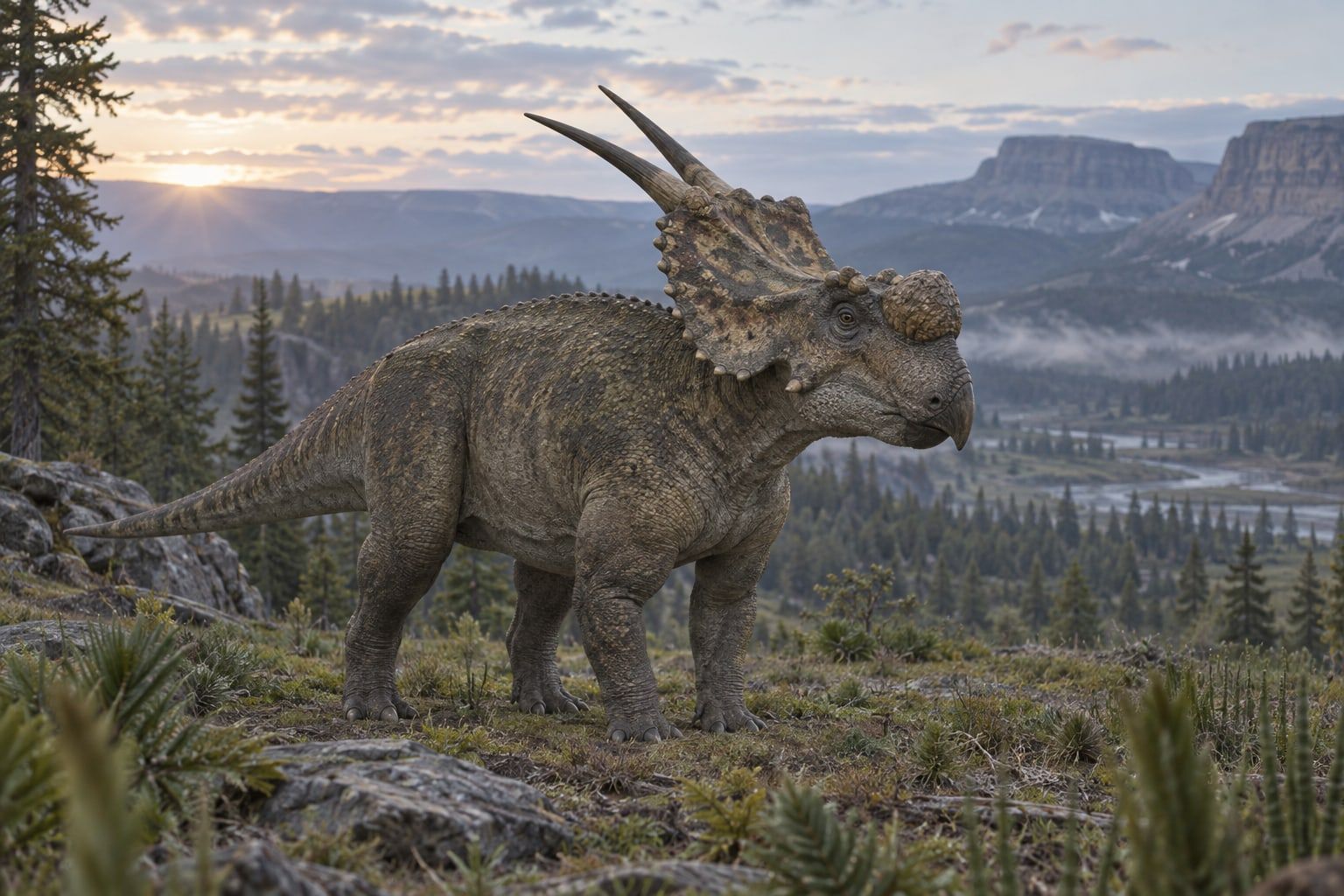
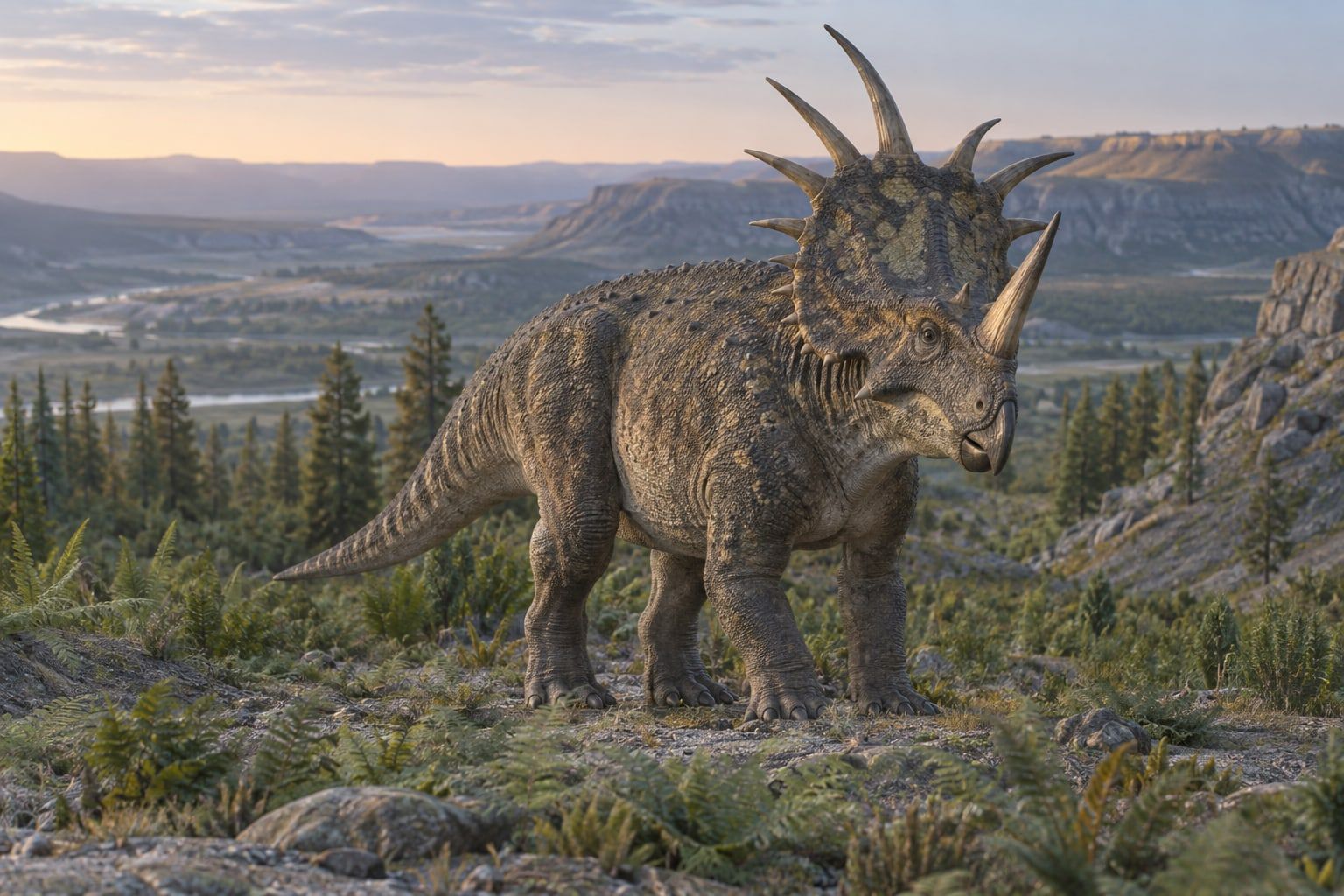
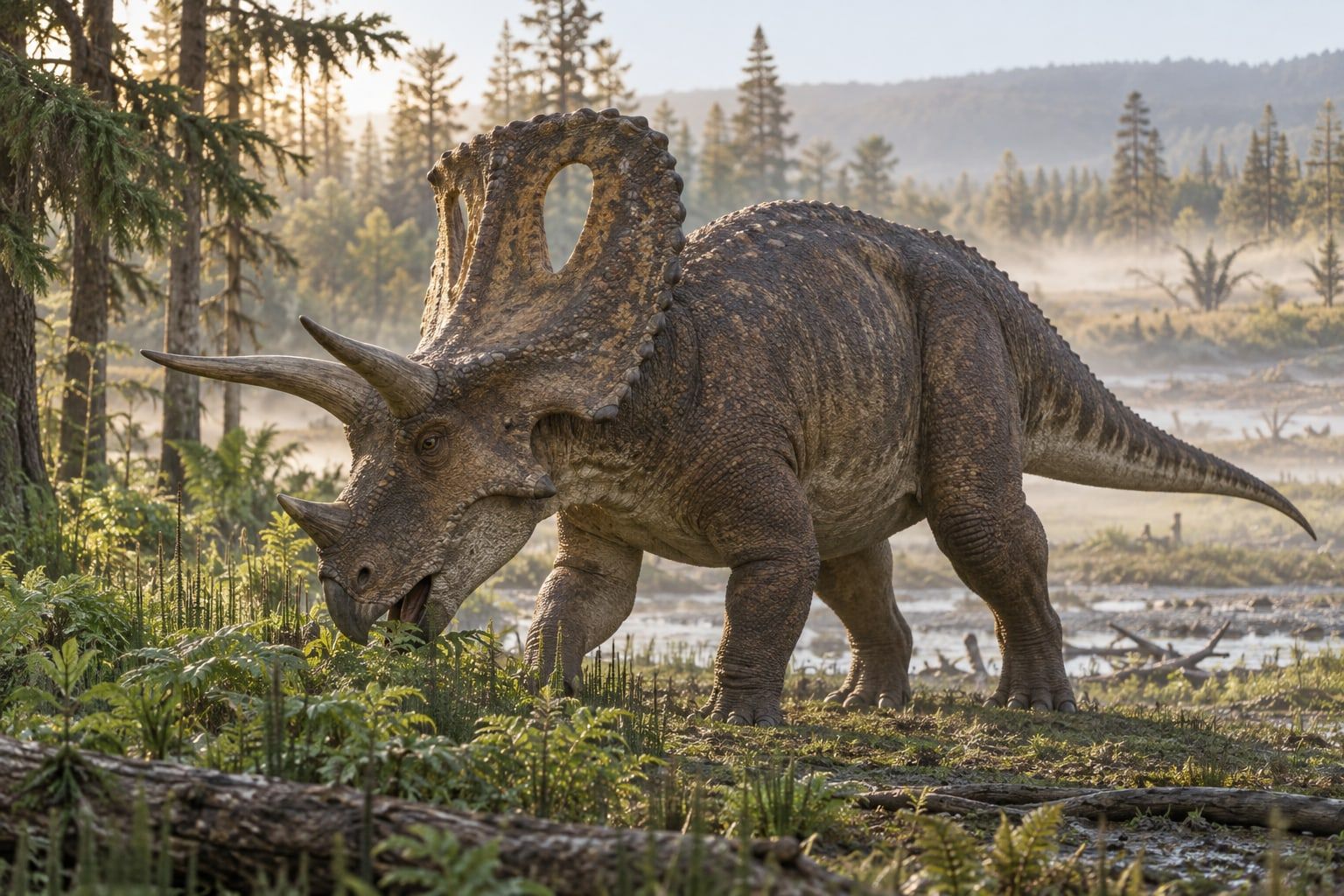
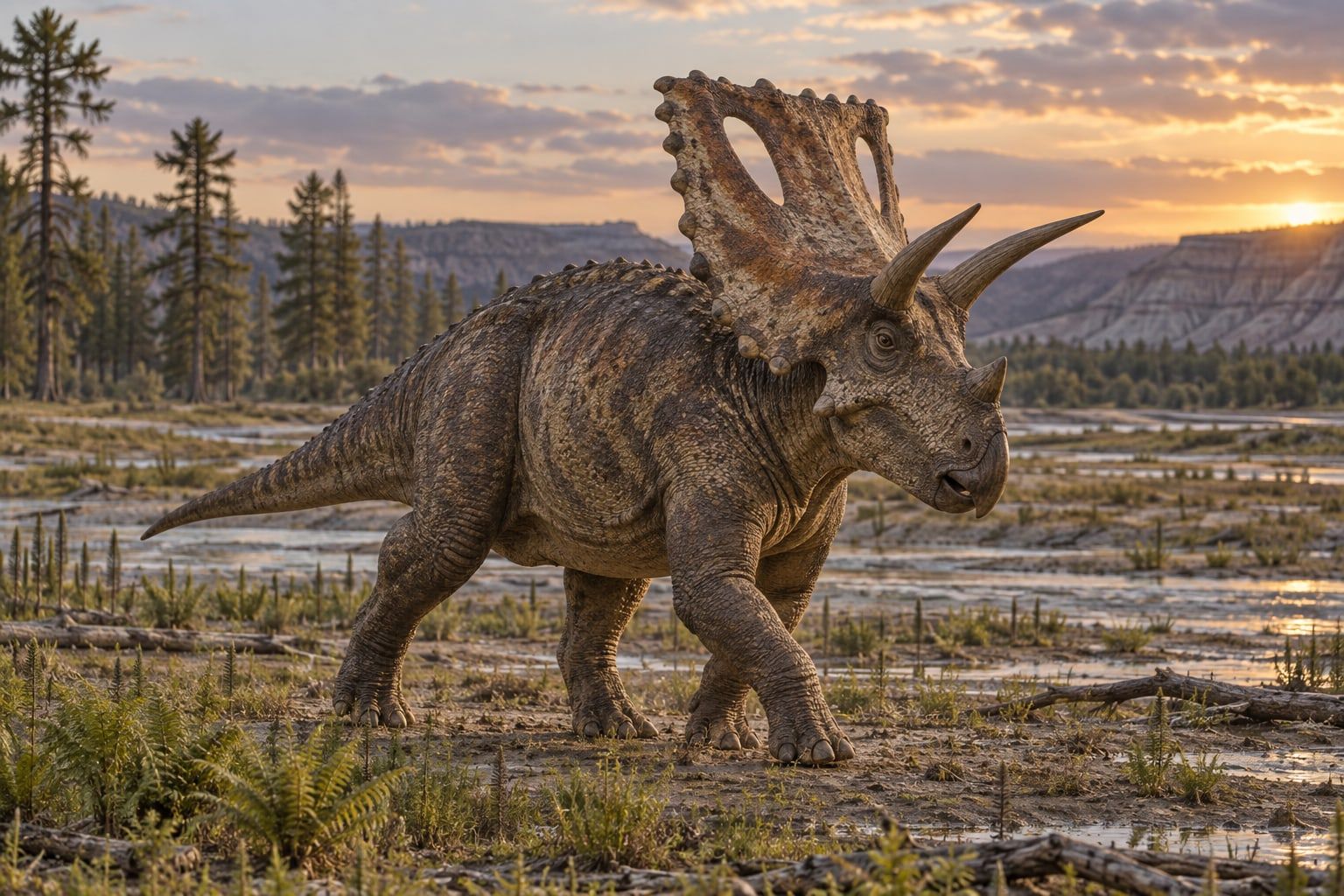
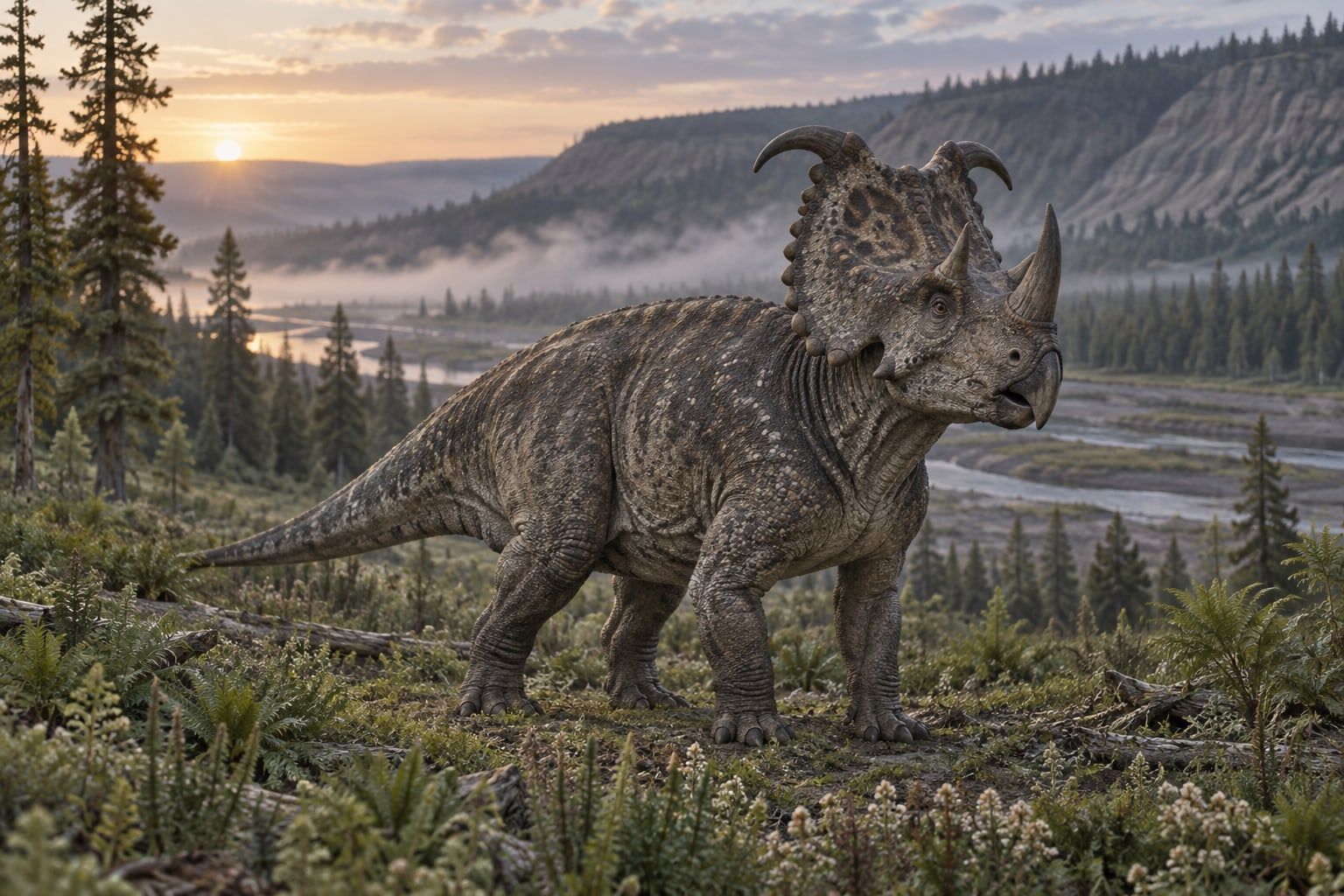
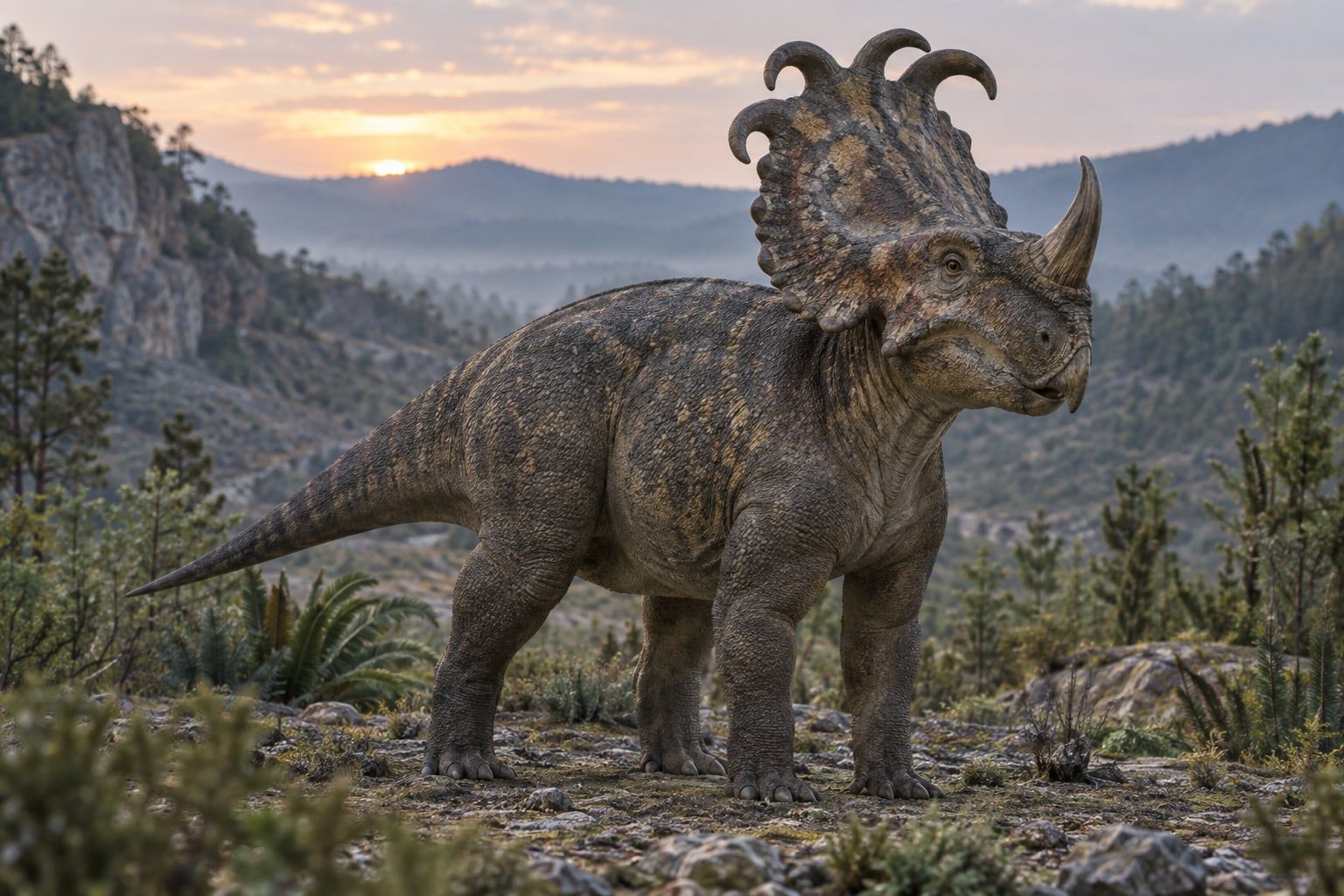
Sierraceratops was a horned dinosaur with long, curved horns over its eyes and a big frill. It is known from part of a skull and skeleton.
It was related to Bravoceratops and other southern horned dinosaurs, which suggests that the far south of North America had its own kinds of horned dinosaurs.
Its world
It lived in the Late Cretaceous in what is now New Mexico, in the United States. Its bones come from the Hall Lake Formation.
How it was found
Dalman and colleagues named Sierraceratops in 2022. The bones had been found years earlier.
Lived alongside
Found in the same rock formations


Close relatives
Other members of Ceratopsidae

Sources: WikidataNamed in: S. G. Dalman, S. G. Lucas, and S. E. Jasinski, N. R. Longrich. 2022. Sierraceratops turneri, a new chasmosaurine ceratopsid from the Hall Lake Formation (Upper Cretaceous) of south-central New Mexico. Cretaceous Research 130:105034