Bashanosaurus
"Bashan lizard"
Type species Bashanosaurus primitivus
- Lived
- 168 to 162 million years ago, Middle Jurassic
- Diet
- Herbivore
- Group
- Stegosaurs, Huayangosauridae
- Found in
- China
- Named by
- Hui et al. 2022
Where its fossils were found
The evidence
Today

165 million years ago
Habitat
Rivers, floodplains and lakes formed the Shaximiao landscape, with ferns, horsetails, cycads and conifers. Neighbors included Huayangosaurus, Shunosaurus and Gigantspinosaurus.
Field notes
About Bashanosaurus
What it was like
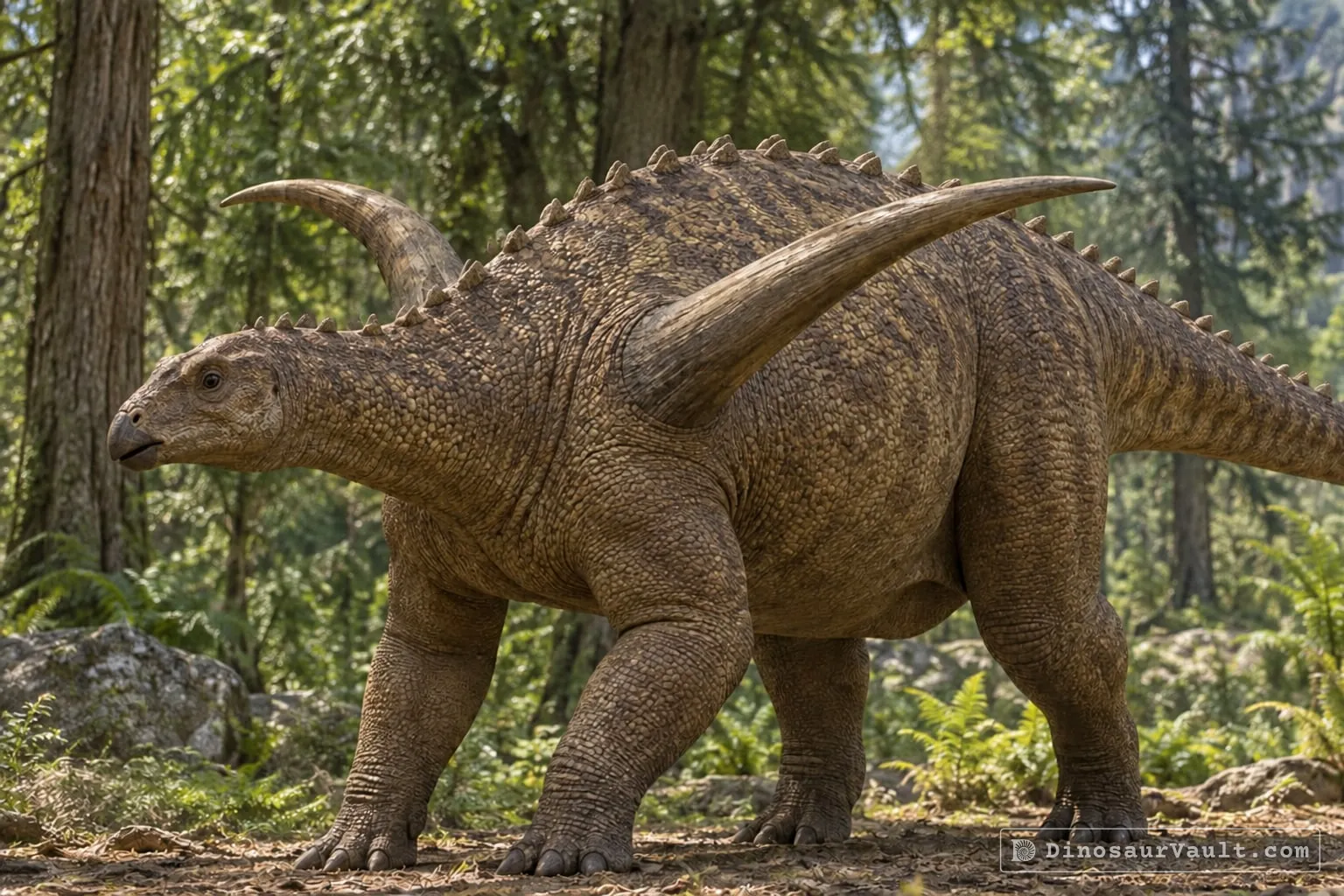
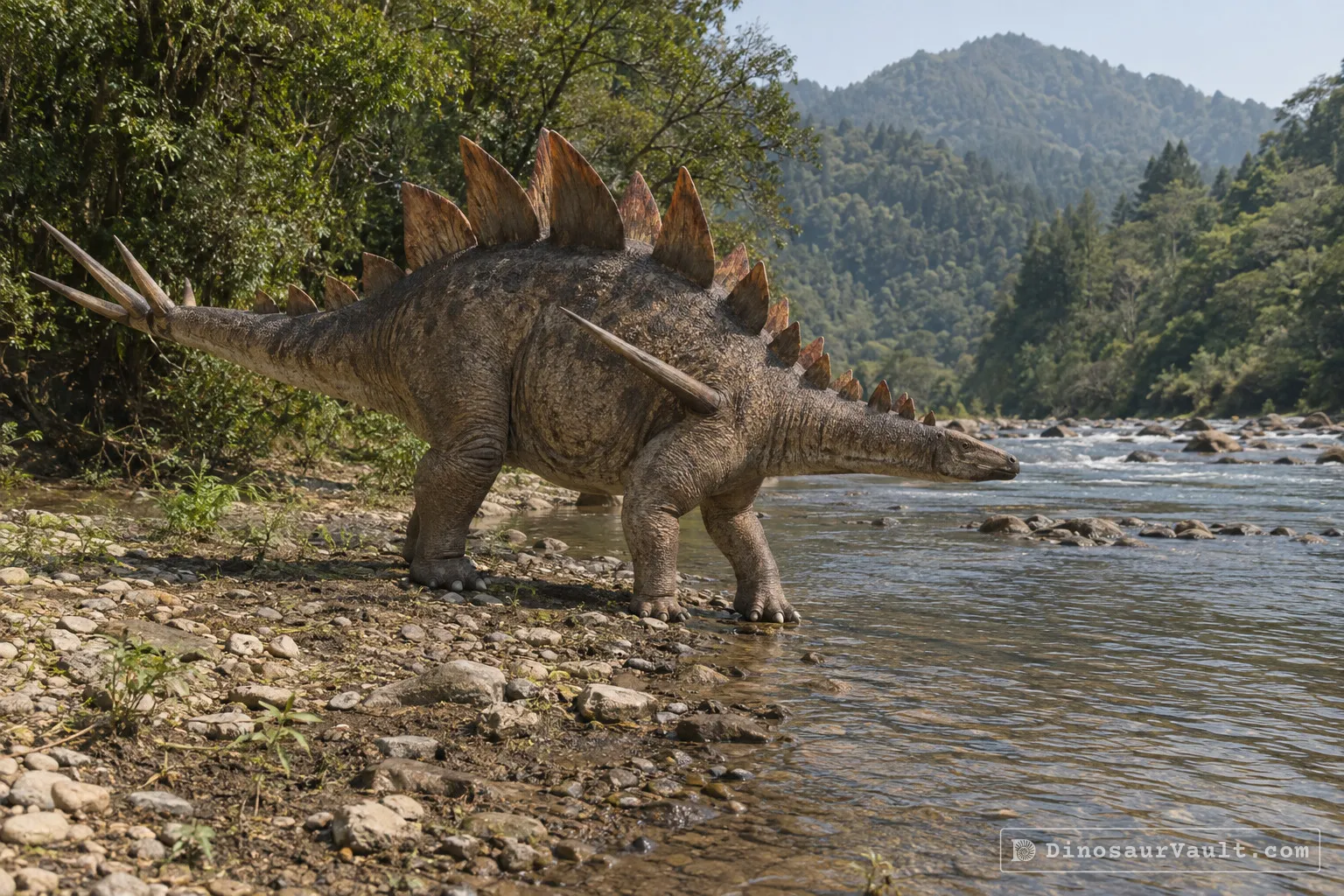
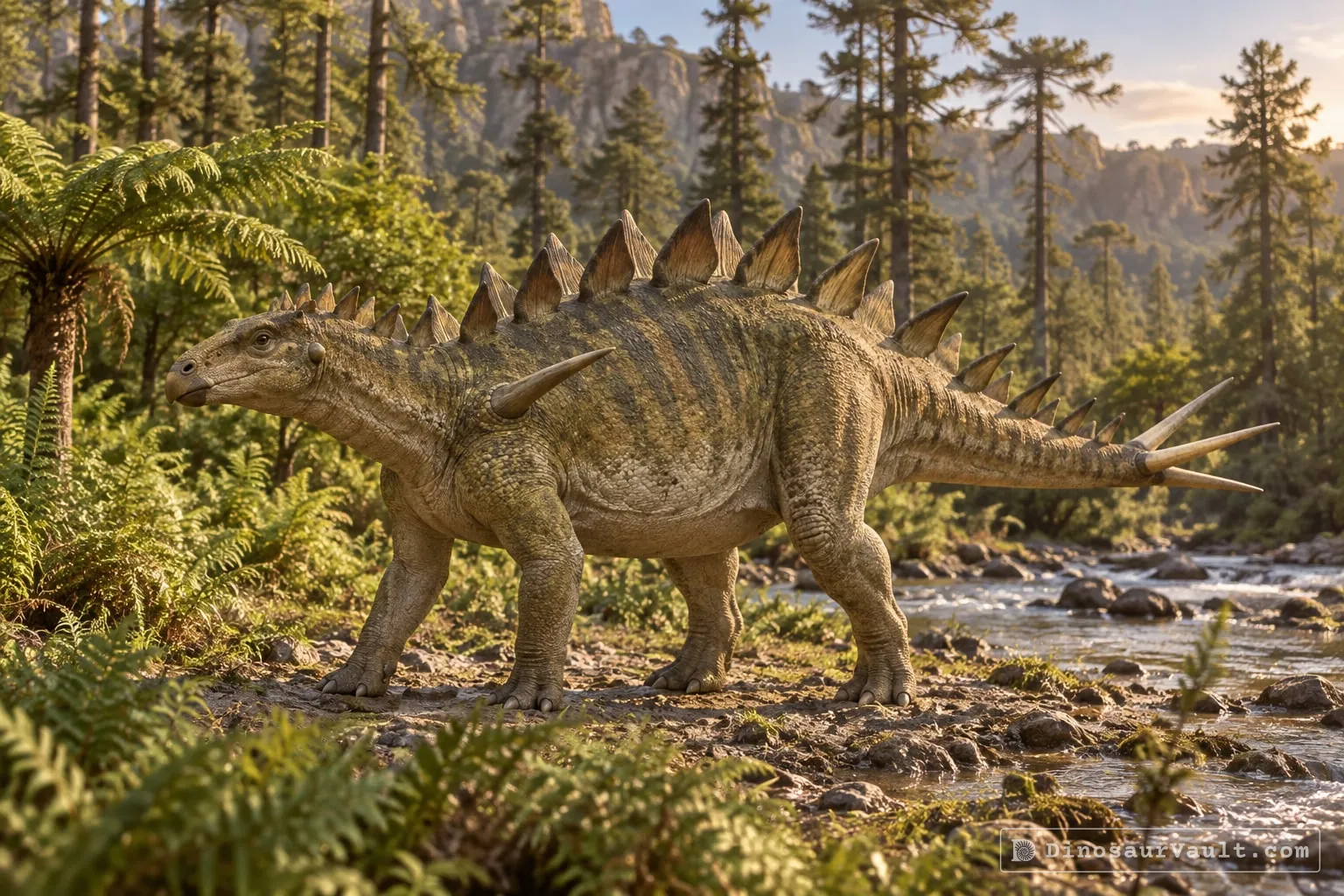
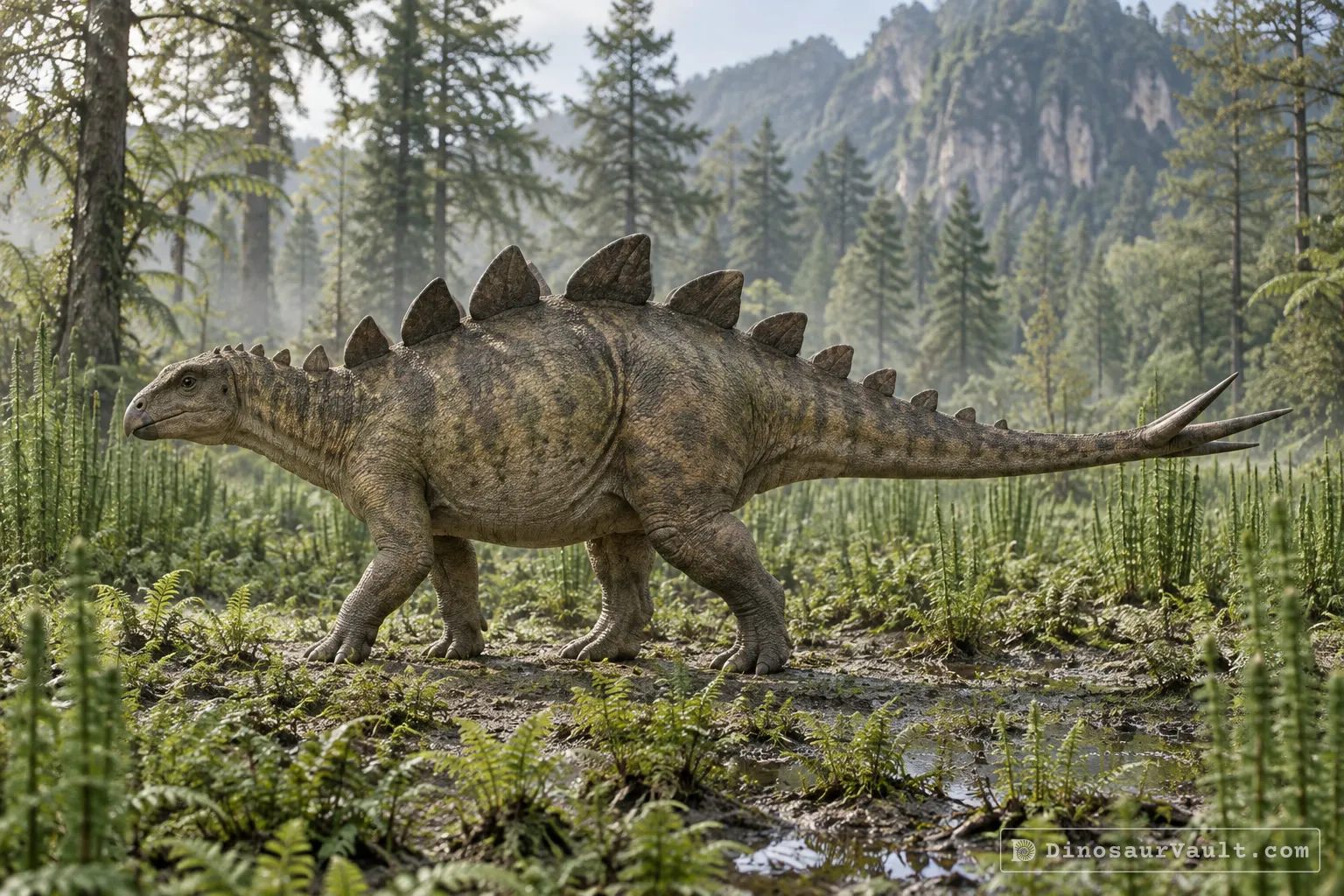
Bashanosaurus was a small stegosaur, one of the oldest and most primitive known. It had plates on its back and spikes on its tail, like its later relatives.
Its world
It lived in the Middle Jurassic in what is now China. Its bones come from the Shaximiao Formation, where it shared the land with the stegosaurs Huayangosaurus and Gigantspinosaurus, the long-necked Shunosaurus and the hunter Sinraptor.
How it was found
Hui and colleagues named Bashanosaurus primitivus in 2022. Its name refers to an old name for the region where it was found.
Field gallery
More views of Bashanosaurus
Scenes reconstructed from the available fossil evidence.
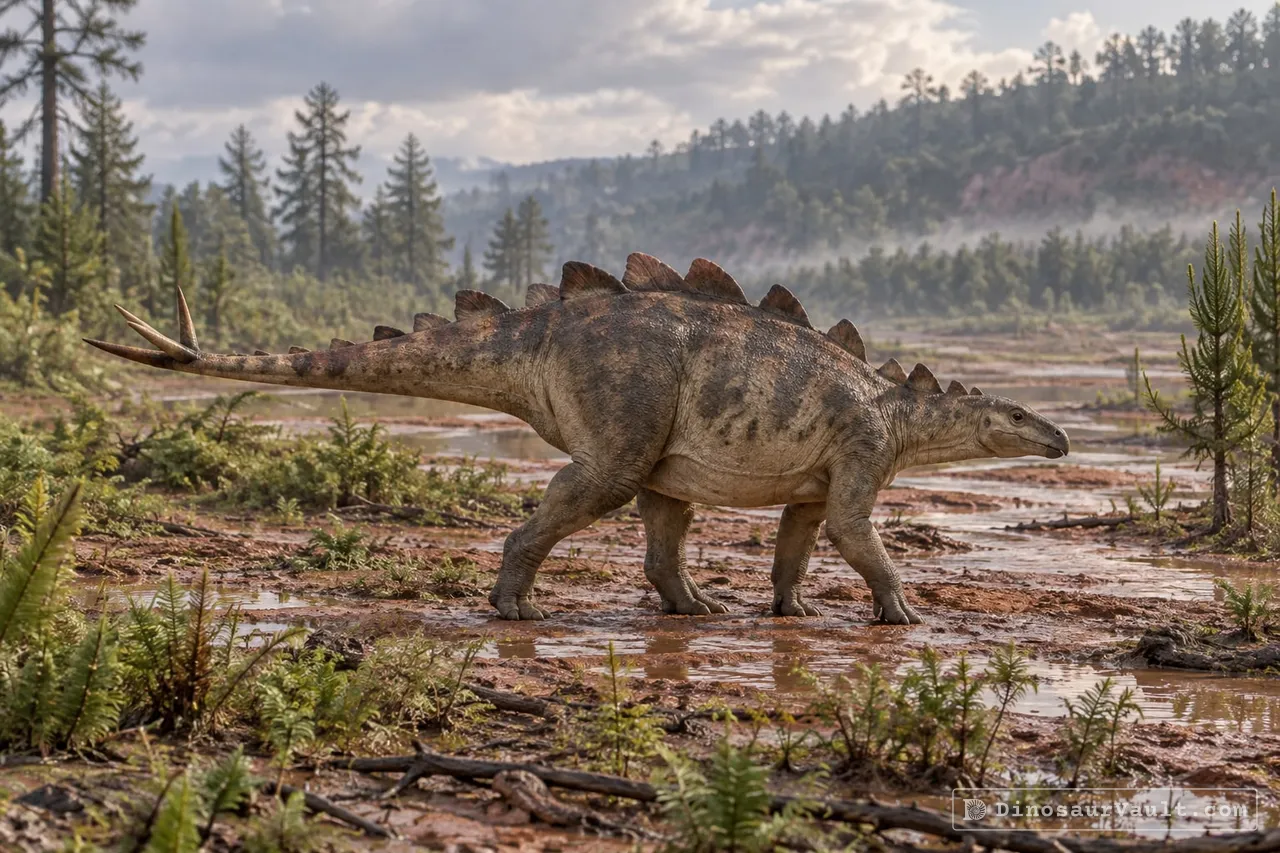
1 of 3
Lived alongside
Found in the same rock formations
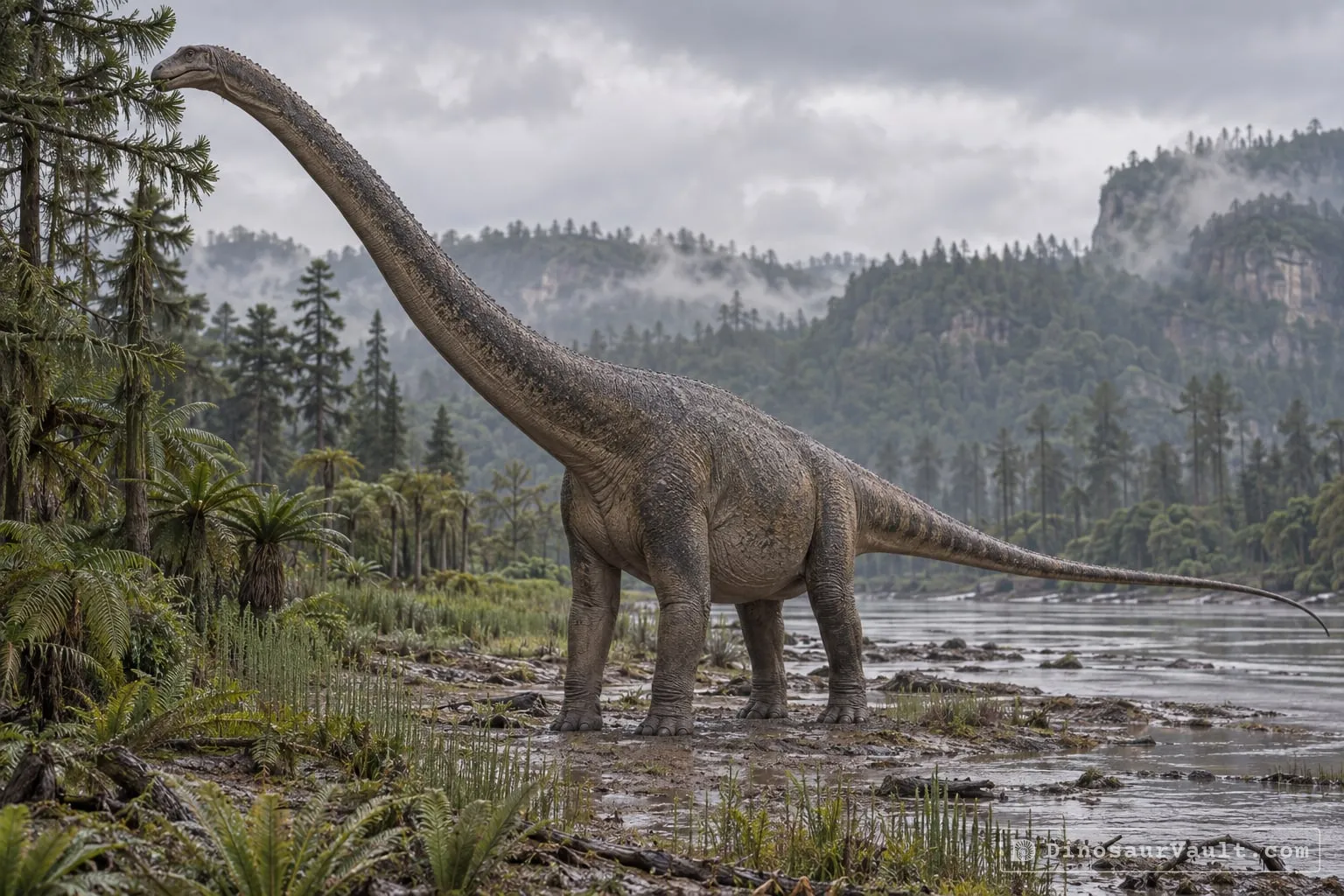
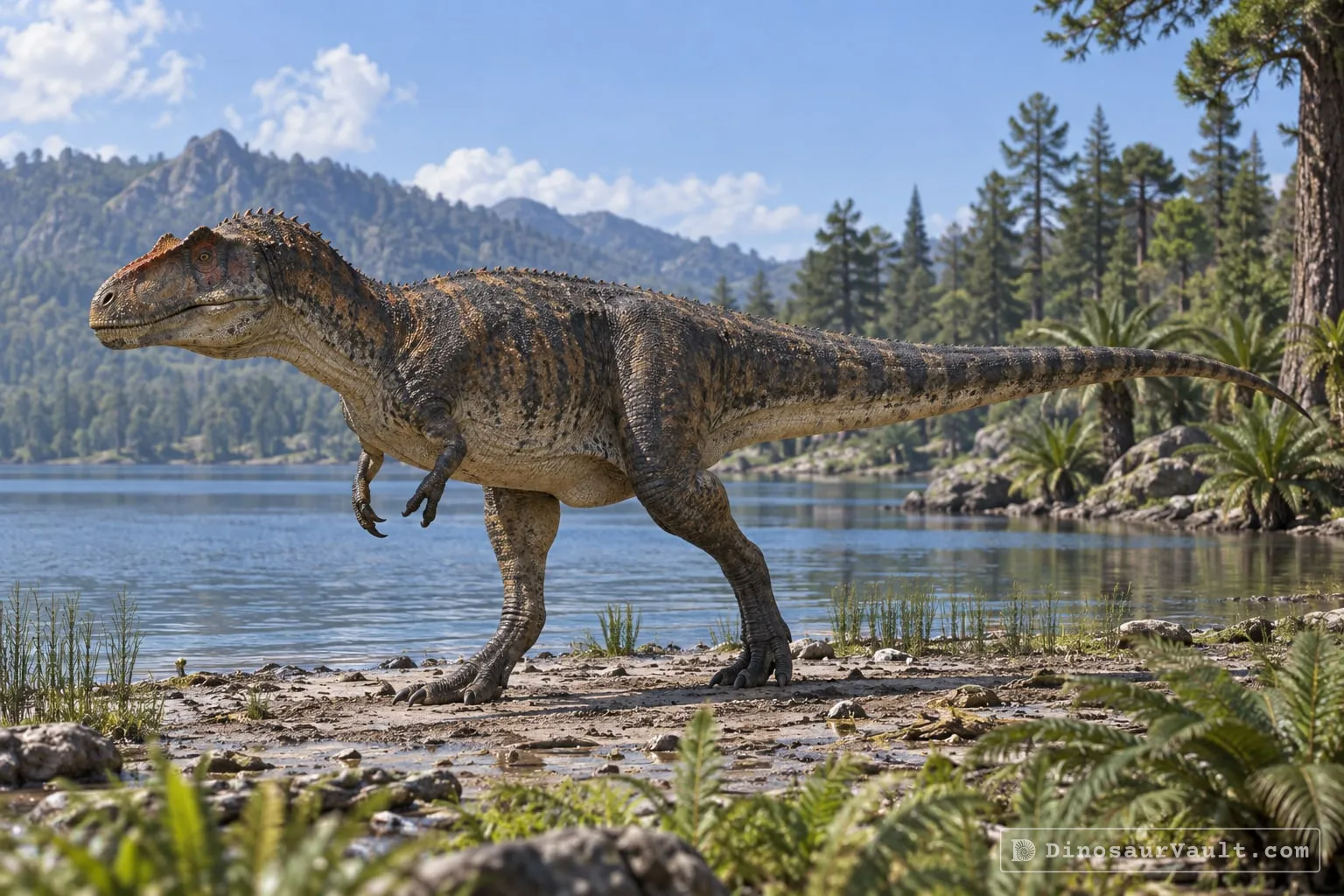
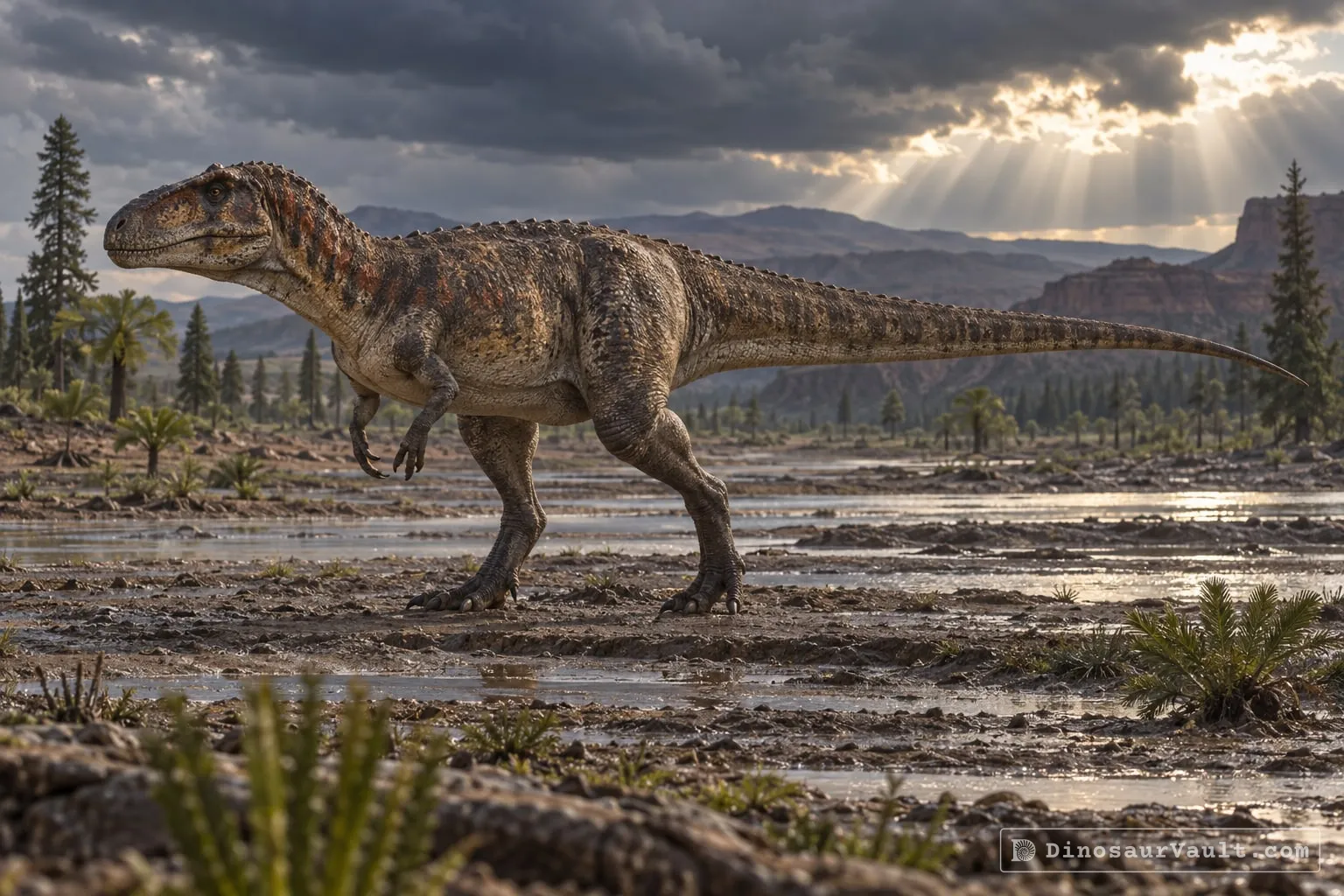
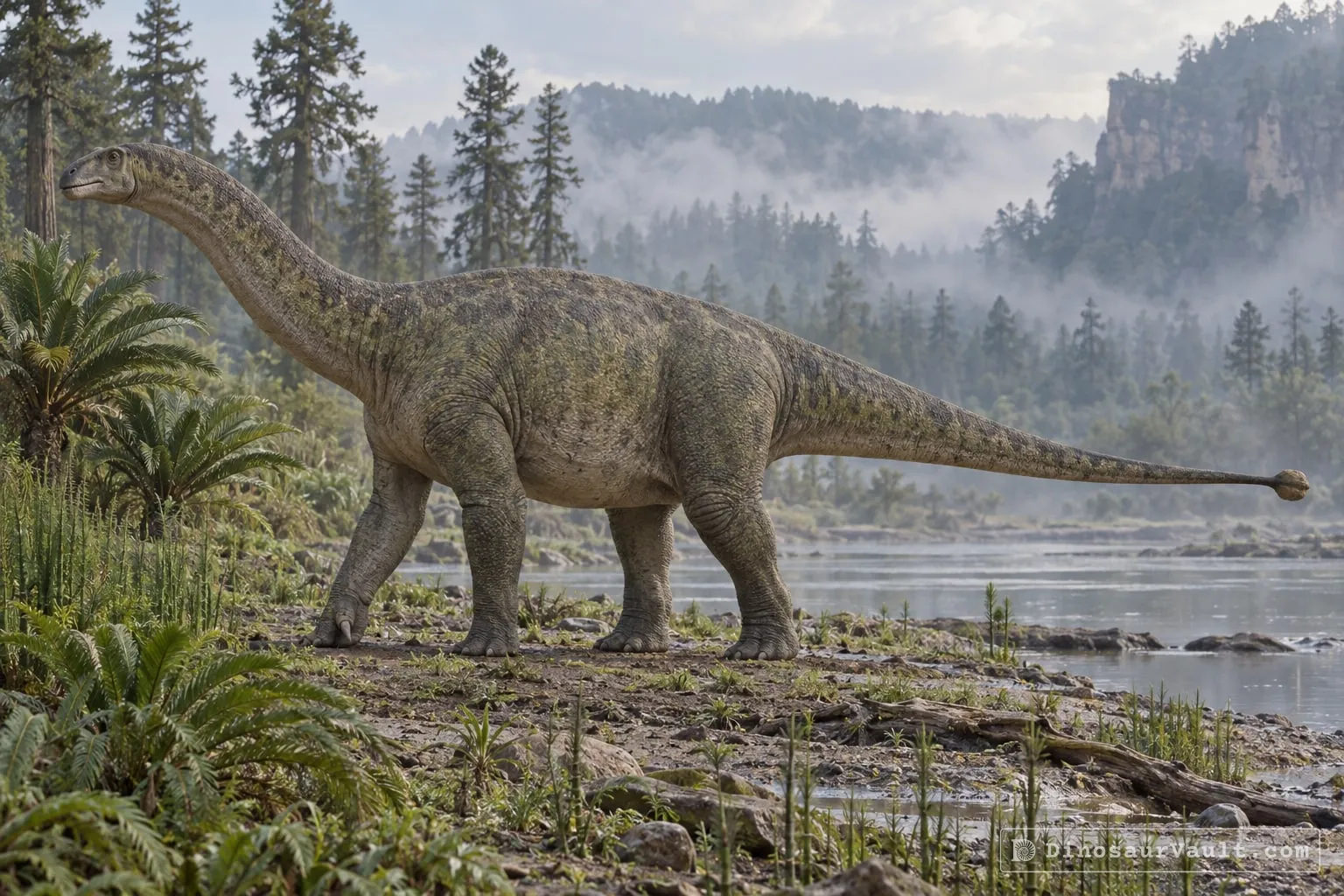


A rock formation can hold fossils laid down millions of years apart, so not every animal here met Bashanosaurus.
The evidence
The science behind Bashanosaurus
Which parts of the picture come from its own bones, and which come from its relatives.
From its own fossils
- Partial skeletons preserve bones from the backbone, shoulders and hind legs.
- Its back plates were narrow and rectangular, with thick, rounded bases.
- A slender, smooth spine is also preserved.
Borrowed from relatives
- Stegosaurus guides the reconstruction of the missing head and supporting feet.
- Rows of back plates and tail spikes follow other stegosaurs, including Stegosaurus.
Still unknown
- The shape of its skull.
- The number and arrangement of its plates and spikes.
- Its adult size and color.
Often drawn wrong
- Huge, broad plates like those of Stegosaurus replace its narrower rectangular plates.
- Large shoulder spikes like those of Gigantspinosaurus are speculative.
Discovery timeline
- 2010PostureSenter
- 2015Close relativeMaidment, Brassey & Barrett
- 2022Named itHui et al.
Key papers
The research behind what we know of Bashanosaurus
Posture
Found that stegosaur hand bones fit together as upright, compact supports rather than a spread of fingers.
Evidence for a Sauropod-Like Metacarpal Configuration in Stegosaurian Dinosaurs. Acta Palaeontologica Polonica 55: 427-432
Read the paper : Evidence for a Sauropod-Like Metacarpal Configuration in Stegosaurian Dinosaurs (opens in a new tab)Close relative
Described a nearly complete Stegosaurus skeleton, including its feet and armor, useful for restoring missing parts of Bashanosaurus.
The Postcranial Skeleton of an Exceptionally Complete Individual of the Plated Dinosaur Stegosaurus stenops (Dinosauria: Thyreophora) from the Upper Jurassic Morrison Formation of Wyoming, U.S.A. PLOS ONE 10: e0138352
Read the paper : The Postcranial Skeleton of an Exceptionally Complete Individual of the Plated Dinosaur Stegosaurus stenops (Dinosauria: Thyreophora) from the Upper Jurassic Morrison Formation of Wyoming, U.S.A. (opens in a new tab)Named it
Described an early stegosaur with thick plate bases and a mixture of features seen in stegosaurs and earlier armored dinosaurs.
New Stegosaurs from the Middle Jurassic Lower Member of the Shaximiao Formation of Chongqing, China . Journal of Vertebrate Paleontology.
No link available
Close relatives
Other members of Huayangosauridae


Sources: Wikidata