Outline: a typical theropod
Segisaurus
"Tsegi lizard"
- Lived
- 193 to 175 million years ago, Early Jurassic
- Diet
- Carnivore
- Length
- about 1.5 m (5 ft)
- Group
- Theropods, Coelophysidae
- Found in
- United States
- Named by
- Camp 1936
Size comparison
To scale

Scale in metersOutline: typical theropod shape
Where its fossils were found
The evidence
Today
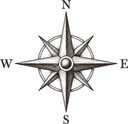
185 million years ago
Field notes
About Segisaurus
What it was like
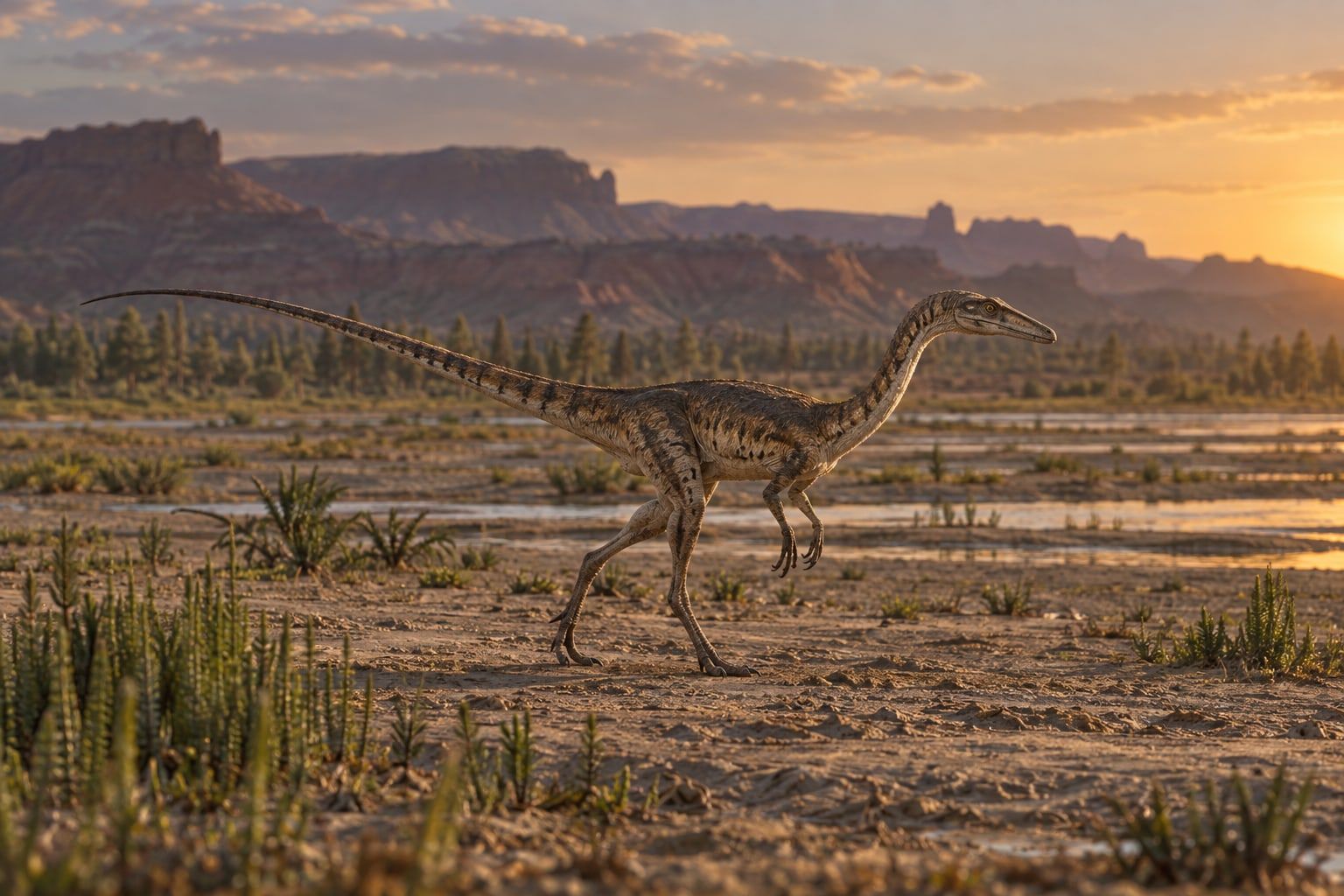
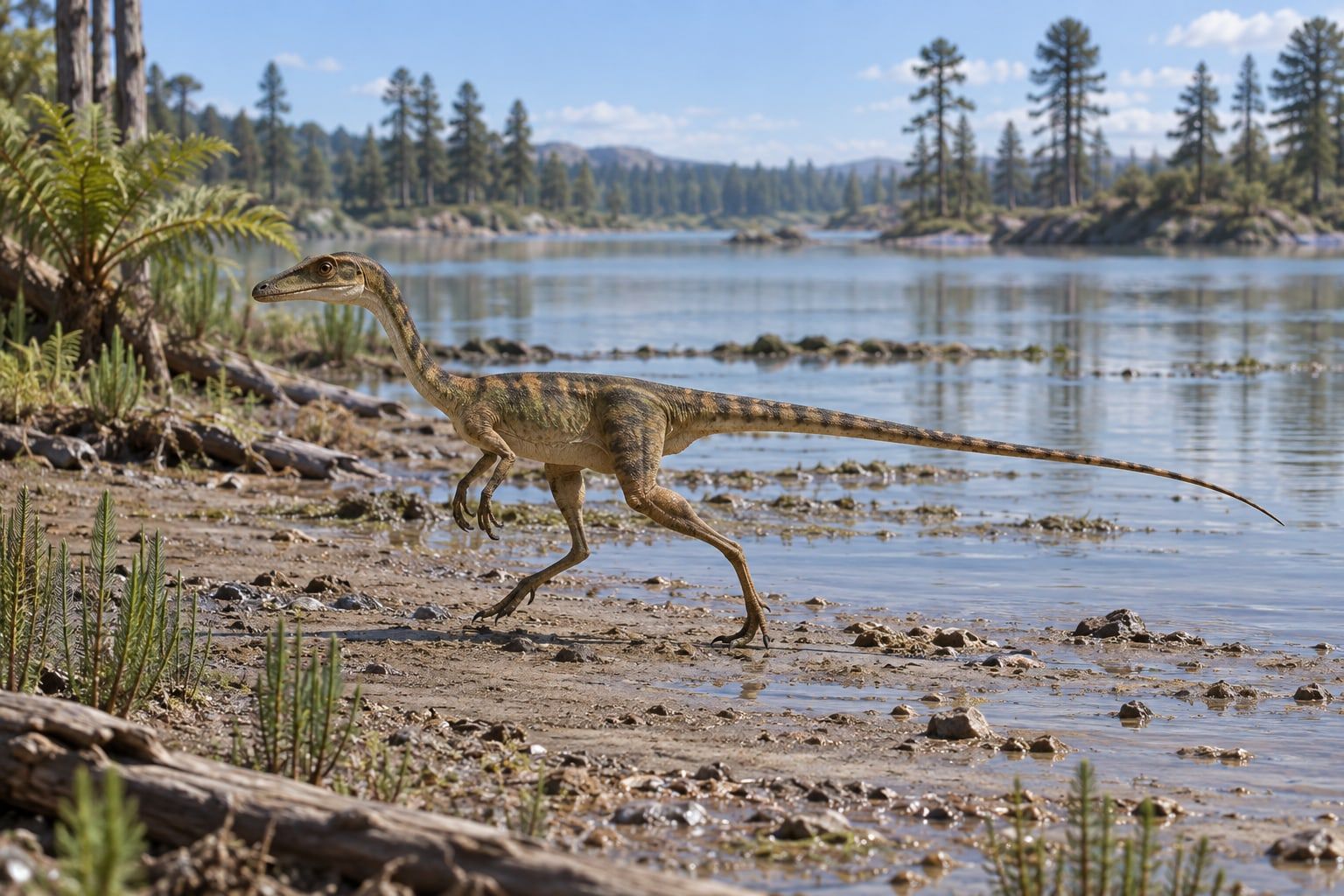
Segisaurus was a small, slender predator about 1.5 meters (5 feet) long, a relative of Coelophysis. It had long legs for running and probably hunted insects, lizards and other small animals. Its skeleton shows a wishbone, a bone shared with birds.
Its world
It lived in the Early Jurassic in what is now Arizona. Its bones come from the Navajo Sandstone, which formed as a vast desert of sand dunes. The small plant eater Seitaad lived in the same desert.
How it was found
Camp named Segisaurus in 1936 from one partial skeleton. It is named after the canyon where it was found.
Lived alongside
Found in the same rock formations
Close relatives
Other members of Coelophysidae
Sources: WikidataNamed in: C. L. Camp. 1936. A new type of bipedal dinosaur from the Navajo Sandstone of Arizona. University of California Publications in Geological Sciences 24(2):39-56