Khanazeem
Type species Khanazeem saraikistani
- Lived
- 72 to 66 million years ago, Late Cretaceous
- Diet
- Herbivore
- Group
- Sauropods, Pakisauridae
- Found in
- Pakistan
- Named by
- Malkani 2022
Where its fossils were found
The evidence
Today

70 million years ago
Habitat
Meandering rivers and floodplains formed the Vitakri Formation in what is now Pakistan. Other dinosaurs reported from these rocks include Isisaurus, Pakisaurus and Balochisaurus.
Field notes
About Khanazeem
What it was like
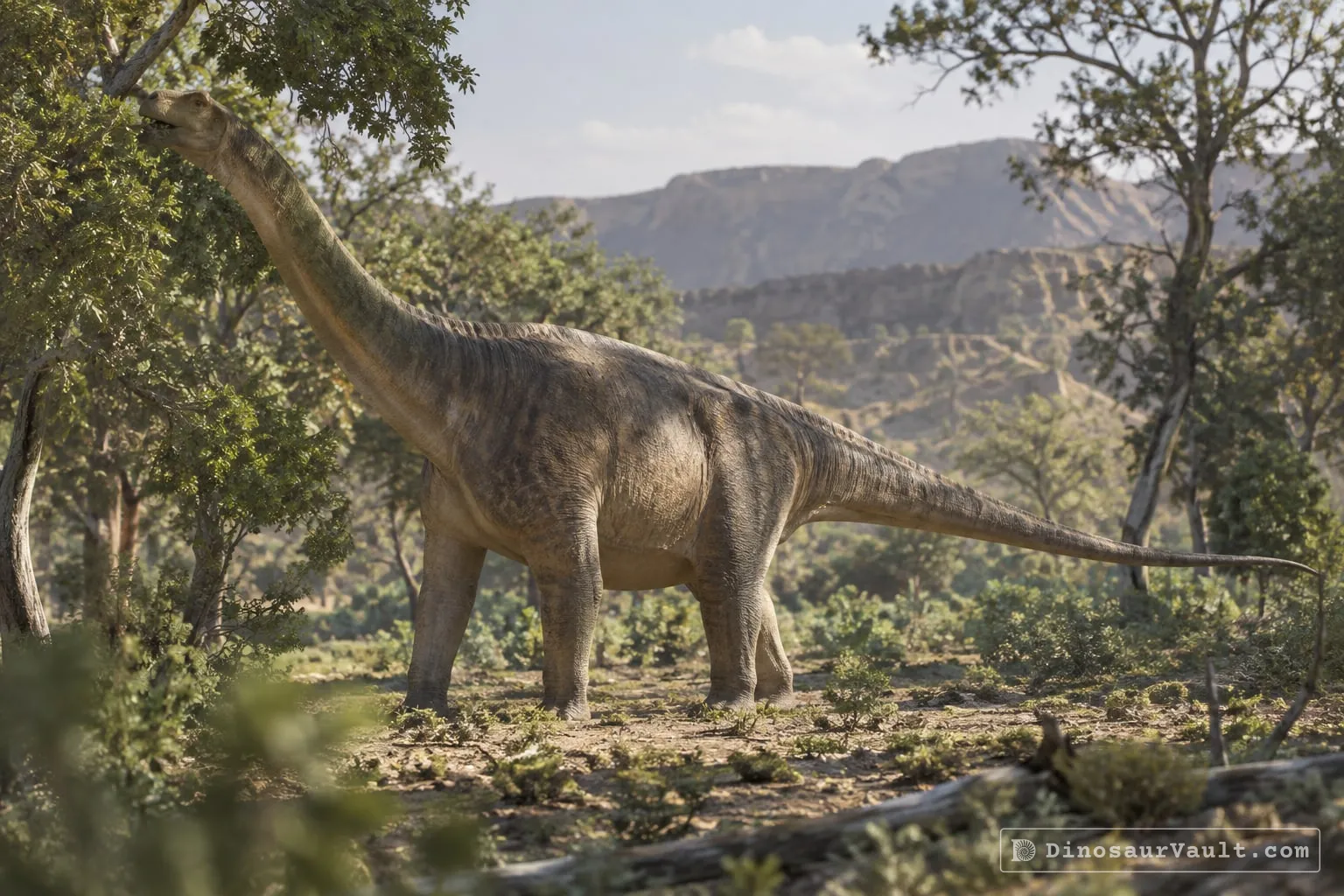
Khanazeem was named as a titanosaur, a long-necked plant eater, from a few bones.
Its world
It lived about 72 to 66 million years ago, at the end of the Late Cretaceous, in what is now Pakistan. Its bones come from the Vitakri Formation.
How it was found
Malkani named it in 2022. The type species is Khanazeem saraikistani. Its bones are fragmentary, and many scientists doubt that it can be told apart from other titanosaurs of the region.
Field gallery
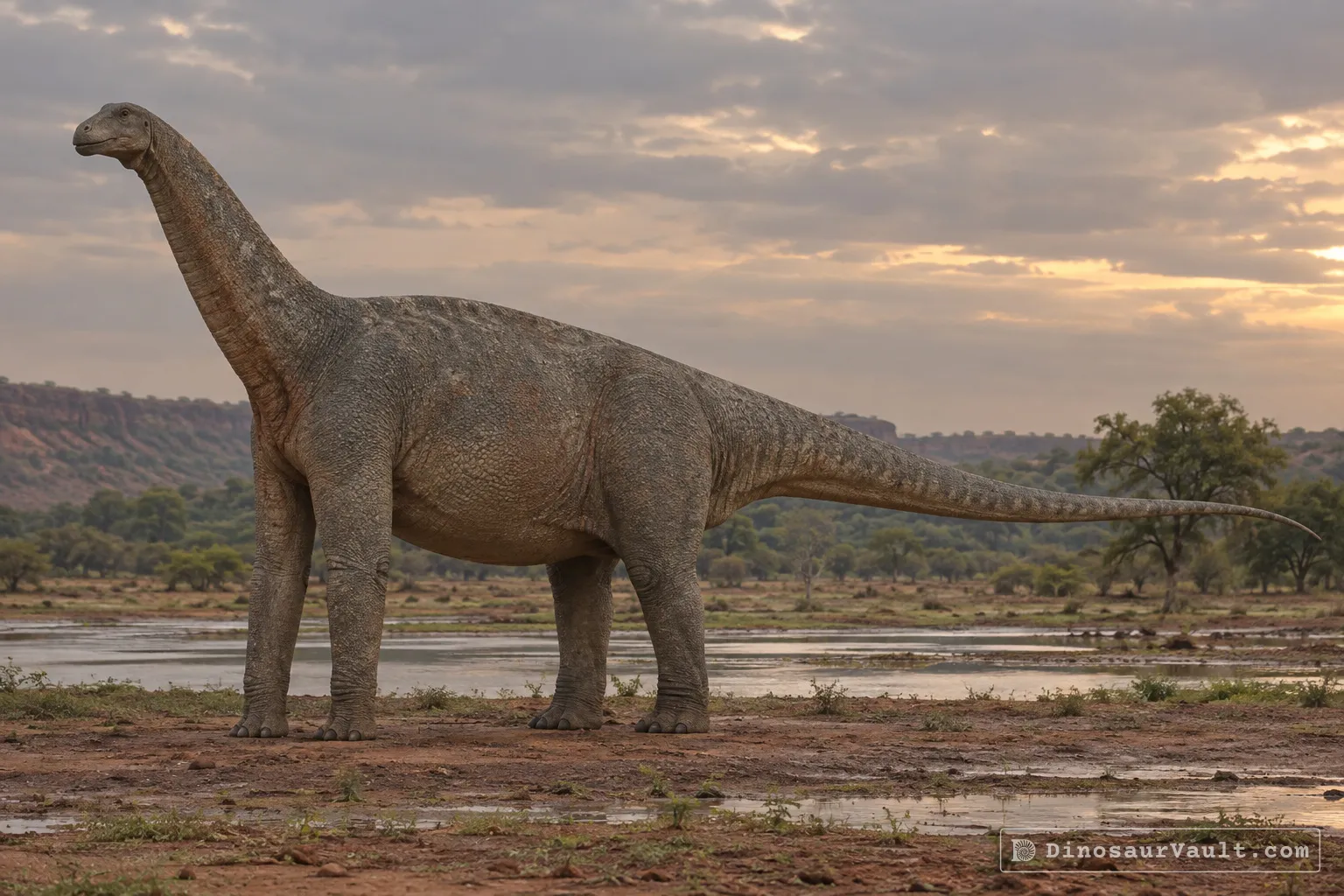
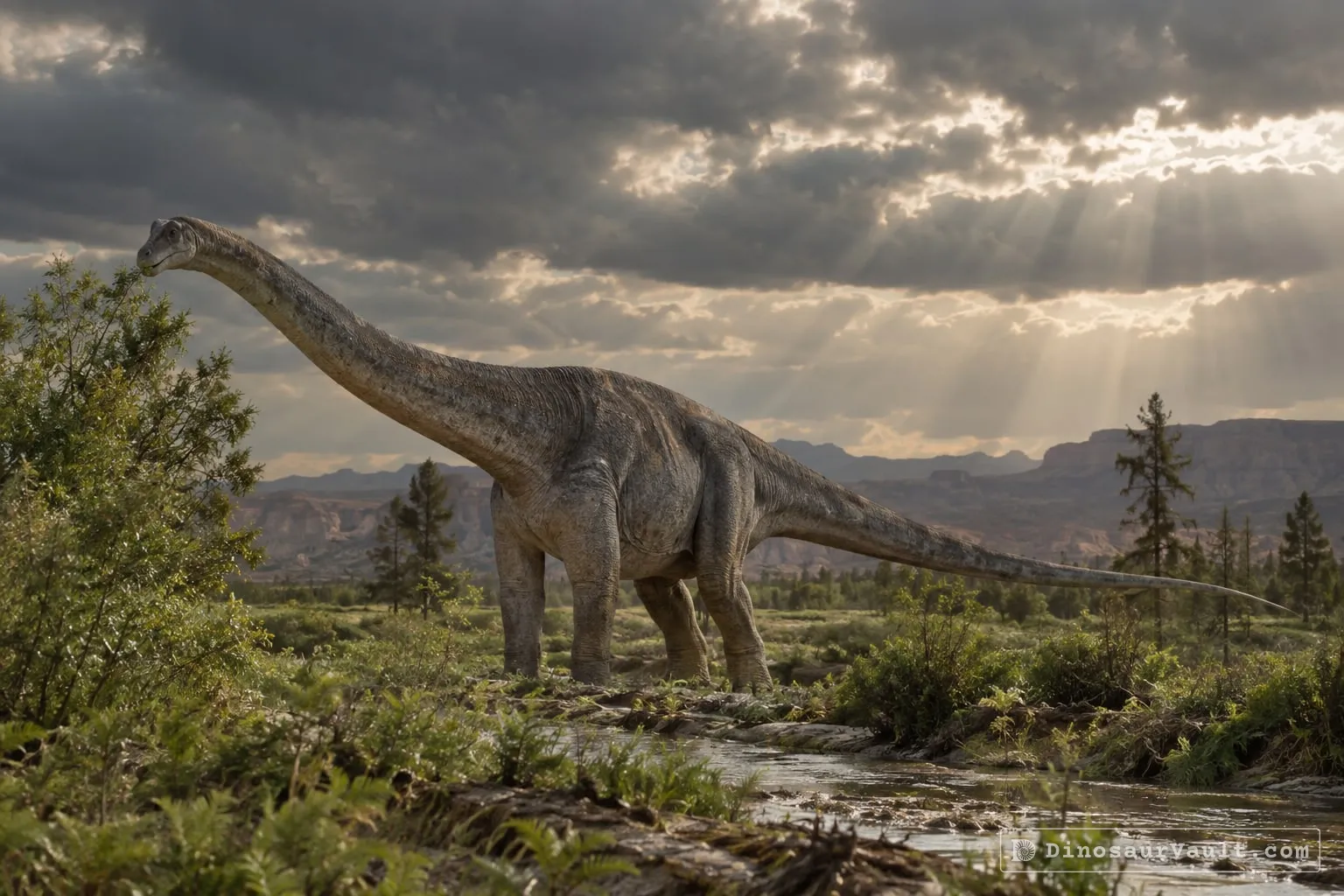
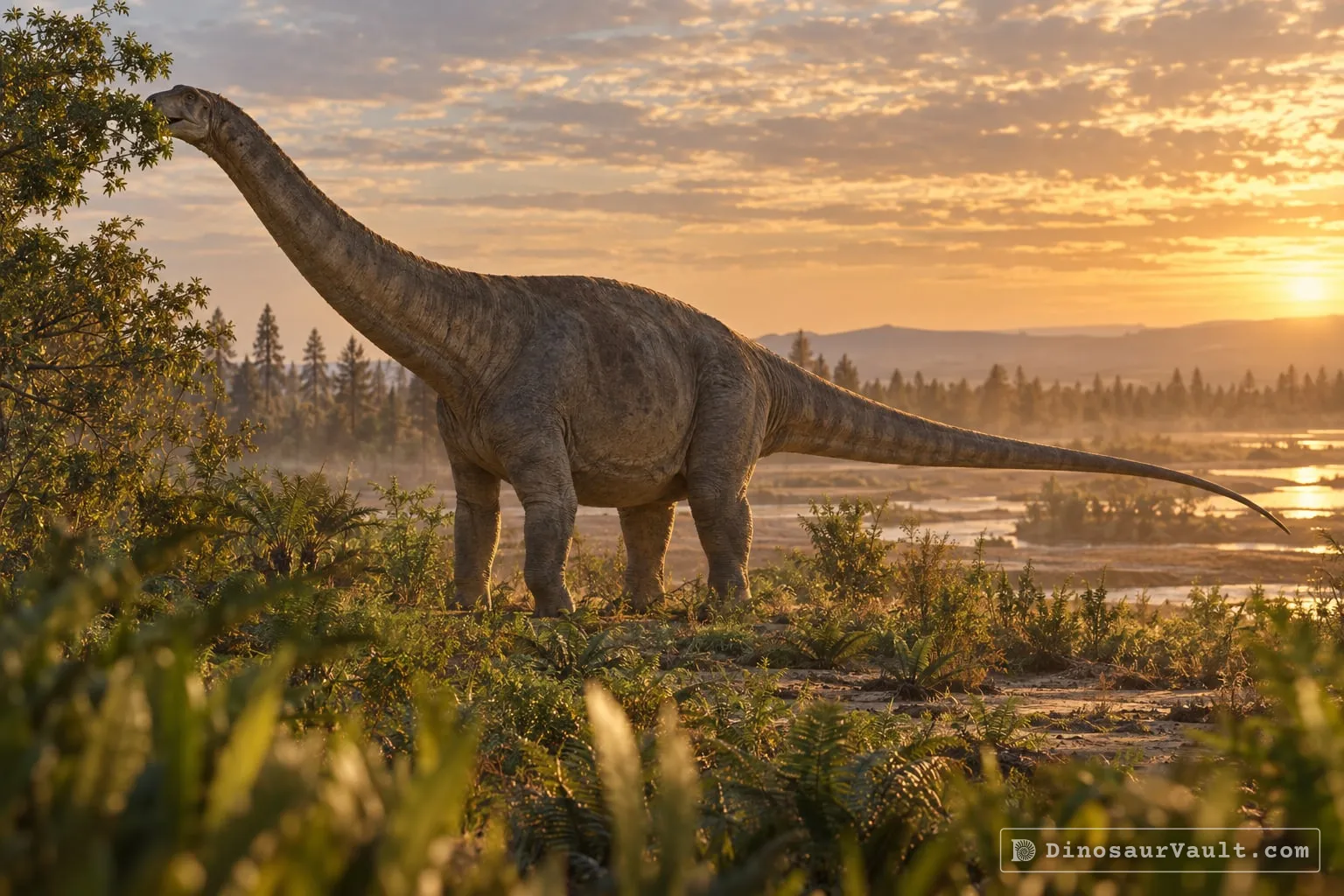
More views of Khanazeem
Scenes reconstructed from the available fossil evidence.
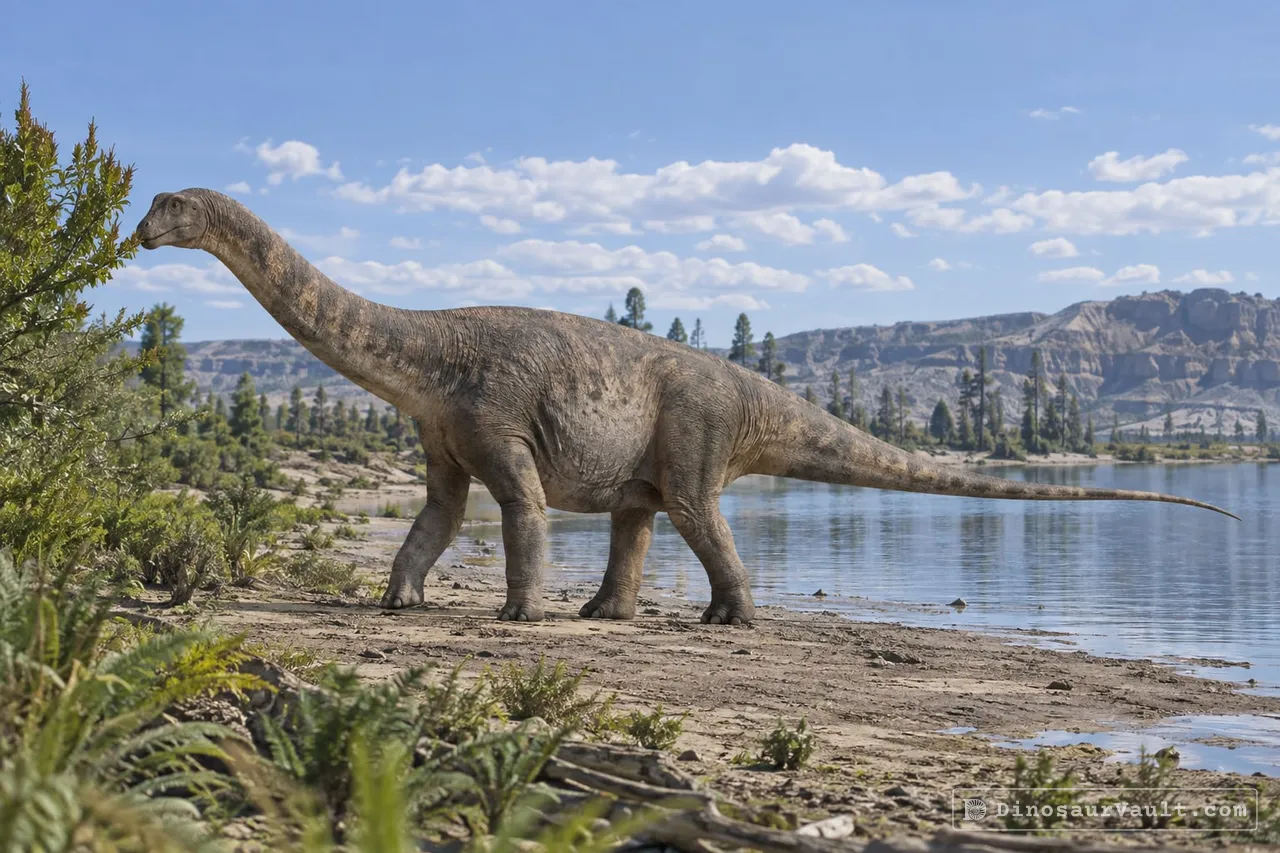
Lived alongside
Found in the same rock formations
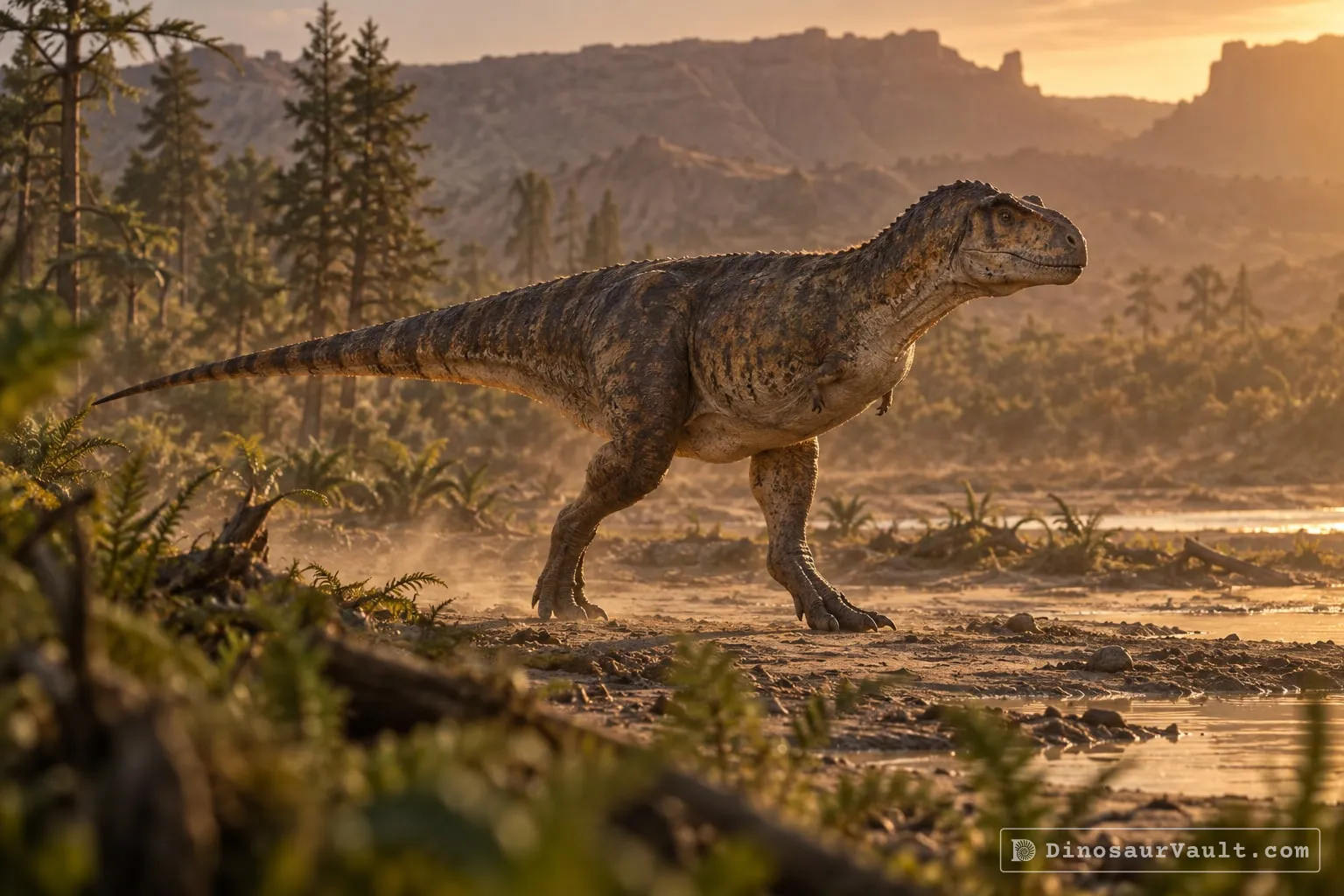
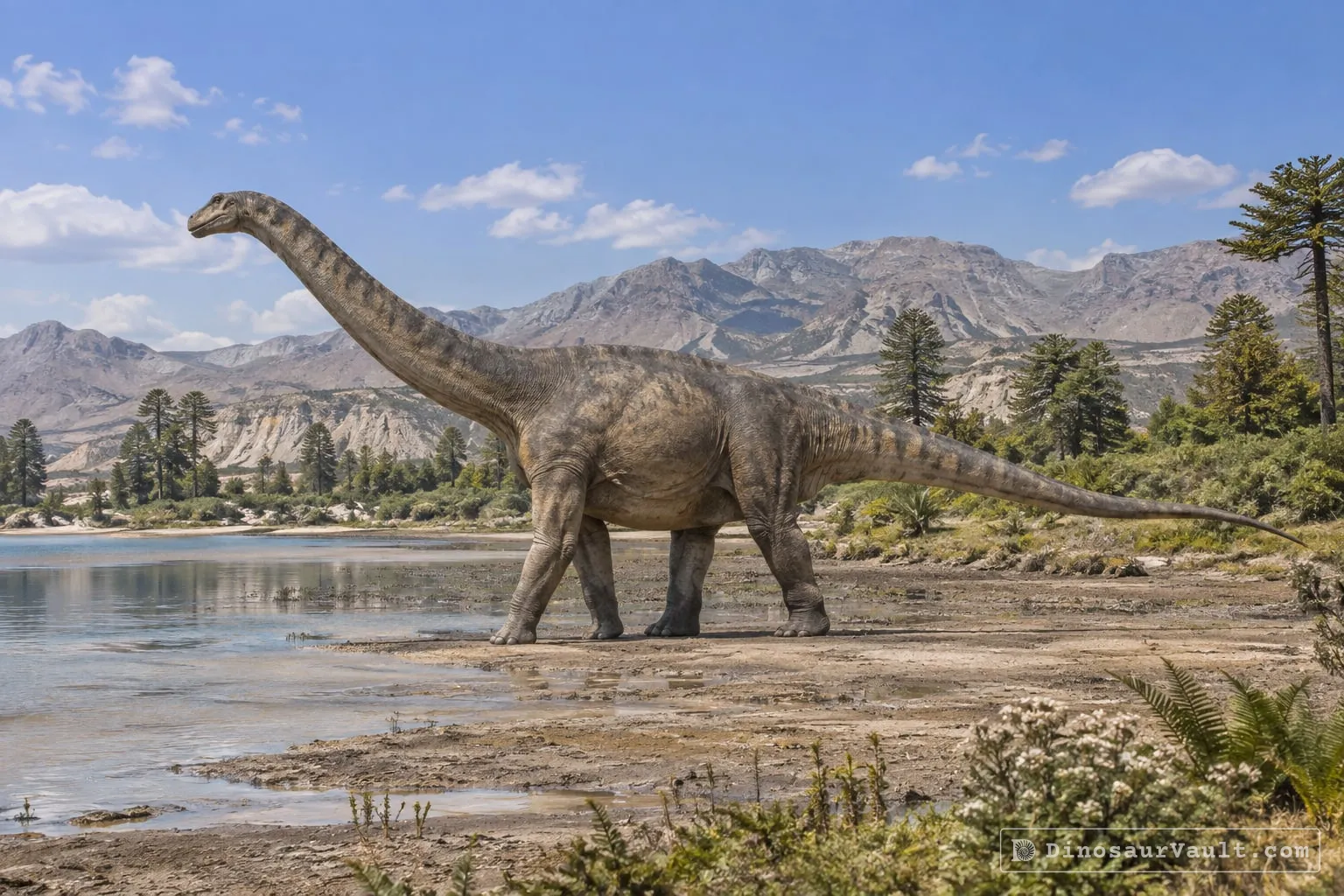
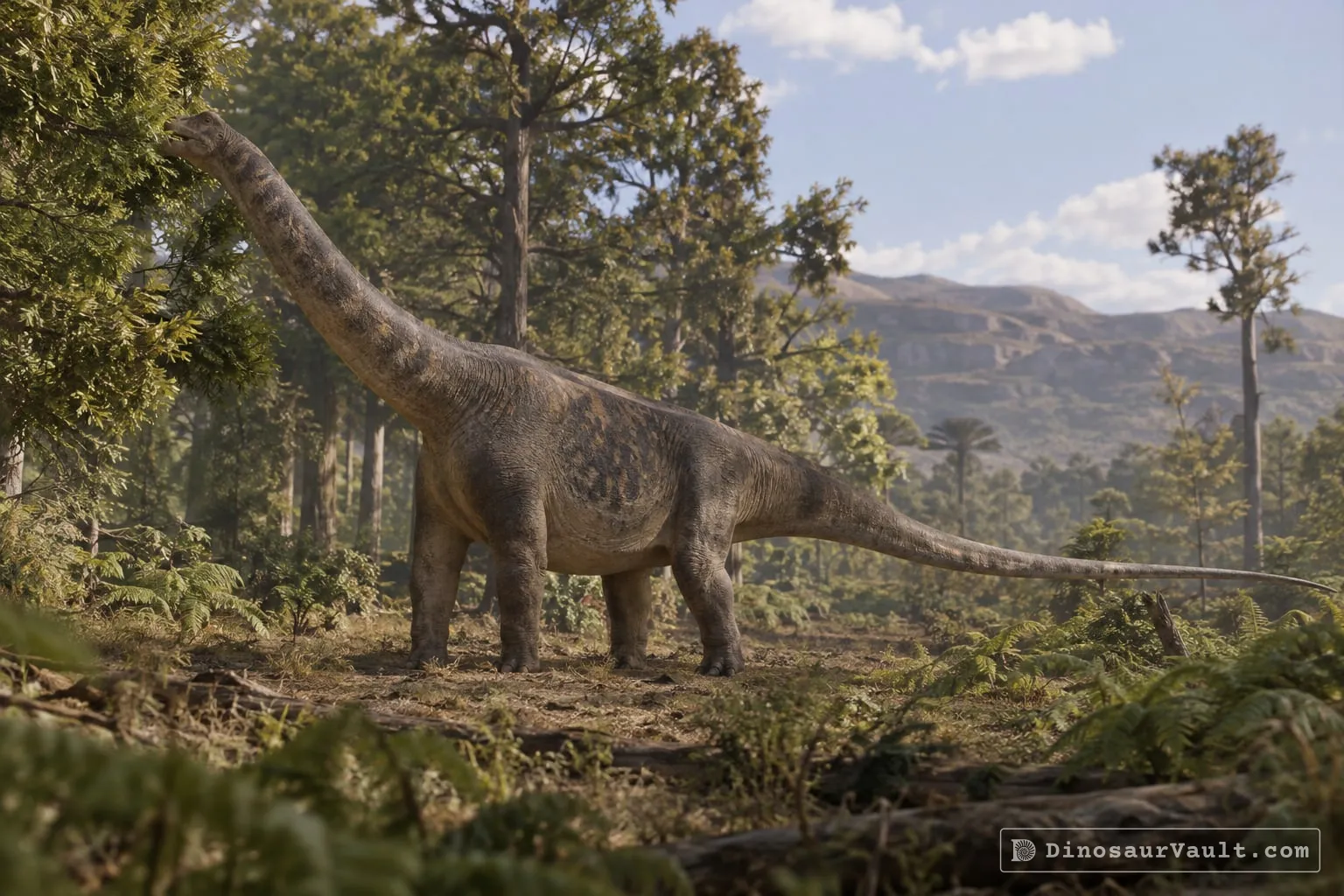
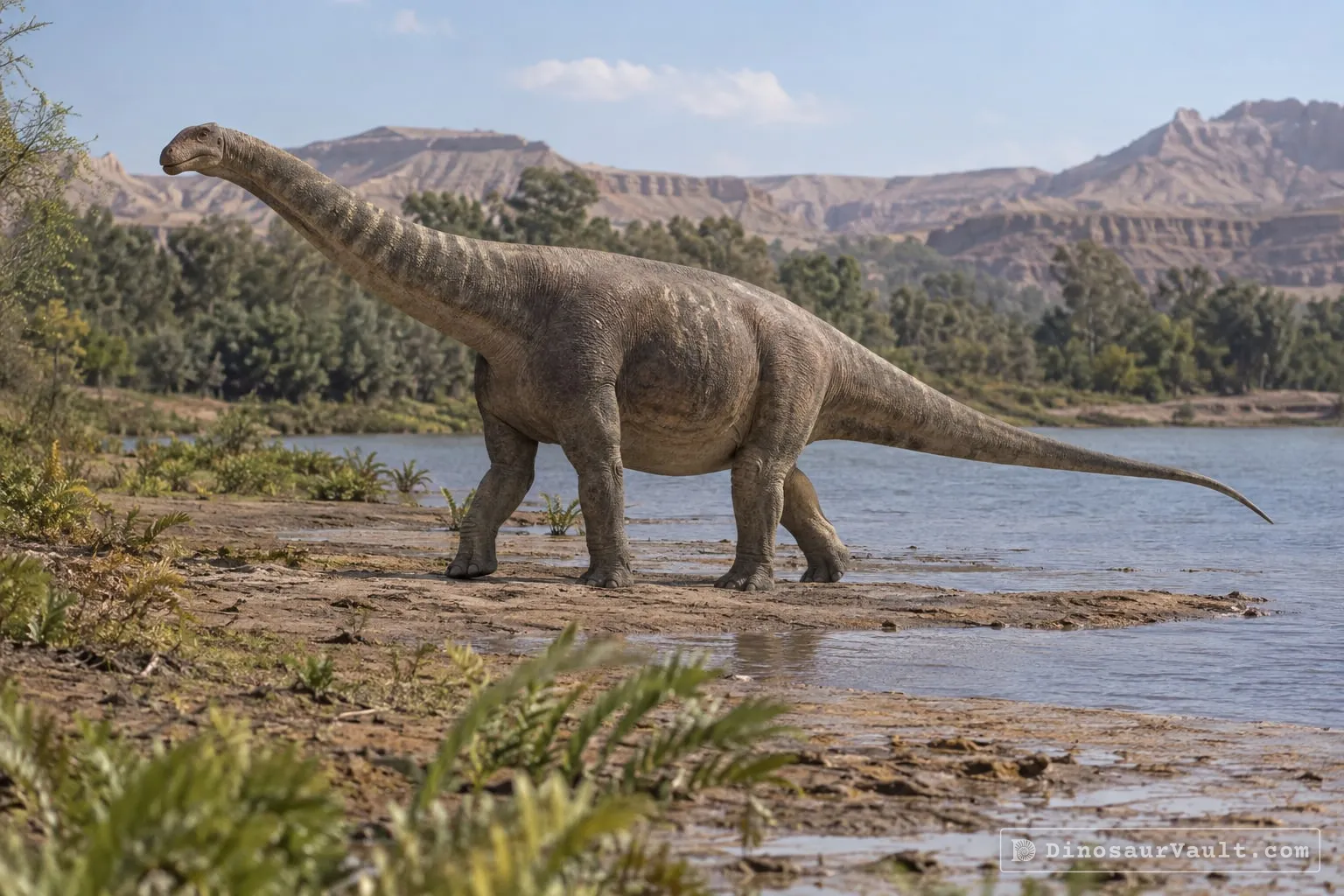


A rock formation can hold fossils laid down millions of years apart, so not every animal here met Khanazeem.
The evidence
The science behind Khanazeem
Which parts of the picture come from its own bones, and which come from its relatives.
From its own fossils
- Bones assigned to Khanazeem include a lower jaw with teeth, tail vertebrae and parts of the upper arms and hind legs.
- The described jaw has slender, widely spaced teeth.
- The thigh and shin bones were described as slender compared with those of Gspsaurus and Balochisaurus.
Borrowed from relatives
- The long neck and most of the body are restored by comparison with other titanosaurs, including Isisaurus and Pakisaurus.
Still unknown
- Whether all the assigned bones belong to the same kind of dinosaur.
- Whether Khanazeem can be distinguished reliably from other titanosaurs of the region.
- Its full body proportions, skin covering and color.
Discovery timeline
- 2022Named it
- 2019Its worldMalkani
- 2020Close relativesMalkani
Key papers
The research behind what we know of Khanazeem
Its world
Described the dinosaur-bearing rocks as deposits of meandering rivers and floodplains near the end of the Cretaceous.
Cretaceous Stratigraphy of Pakistan. Open Journal of Geology 09: 671-673
Read the paper : Cretaceous Stratigraphy of Pakistan (opens in a new tab)Close relatives
Described bones assigned to Pakisaurus and Isisaurus and compared the slender titanosaurs of Pakistan and India.
<i>Pakisaurus balochistani</i> (Poripuchia, Slender Titanosauria, Sauropoda) Associated Skeletons Found from the Latest Maastrichtian Vitakri Formation of Pakistan and Referred Fossils from India; Filling of Important Missing Links of <i>Isisaurus colberti</i> Titanosaur Found from Pakistan. Open Journal of Geology 10: 408-447
Read the paper : <i>Pakisaurus balochistani</i> (Poripuchia, Slender Titanosauria, Sauropoda) Associated Skeletons Found from the Latest Maastrichtian Vitakri Formation of Pakistan and Referred Fossils from India; Filling of Important Missing Links of <i>Isisaurus colberti</i> Titanosaur Found from Pakistan (opens in a new tab)
Close relatives
Other members of Pakisauridae
