Imrankhanhero
Type species Imrankhanhero zilefatmi
- Lived
- 72 to 66 million years ago, Late Cretaceous
- Diet
- Herbivore
- Group
- Sauropods, Pakisauridae
- Found in
- Pakistan and India
- Named by
- Malkani 2023
Where its fossils were found
The evidence
Today

70 million years ago
Habitat
Winding rivers crossed muddy floodplains where the Vitakri Formation accumulated in what is now Pakistan. Dinosaurs reported from these rocks include Pakisaurus, Ikqaumishan and Isisaurus.
Field notes
About Imrankhanhero
What it was like
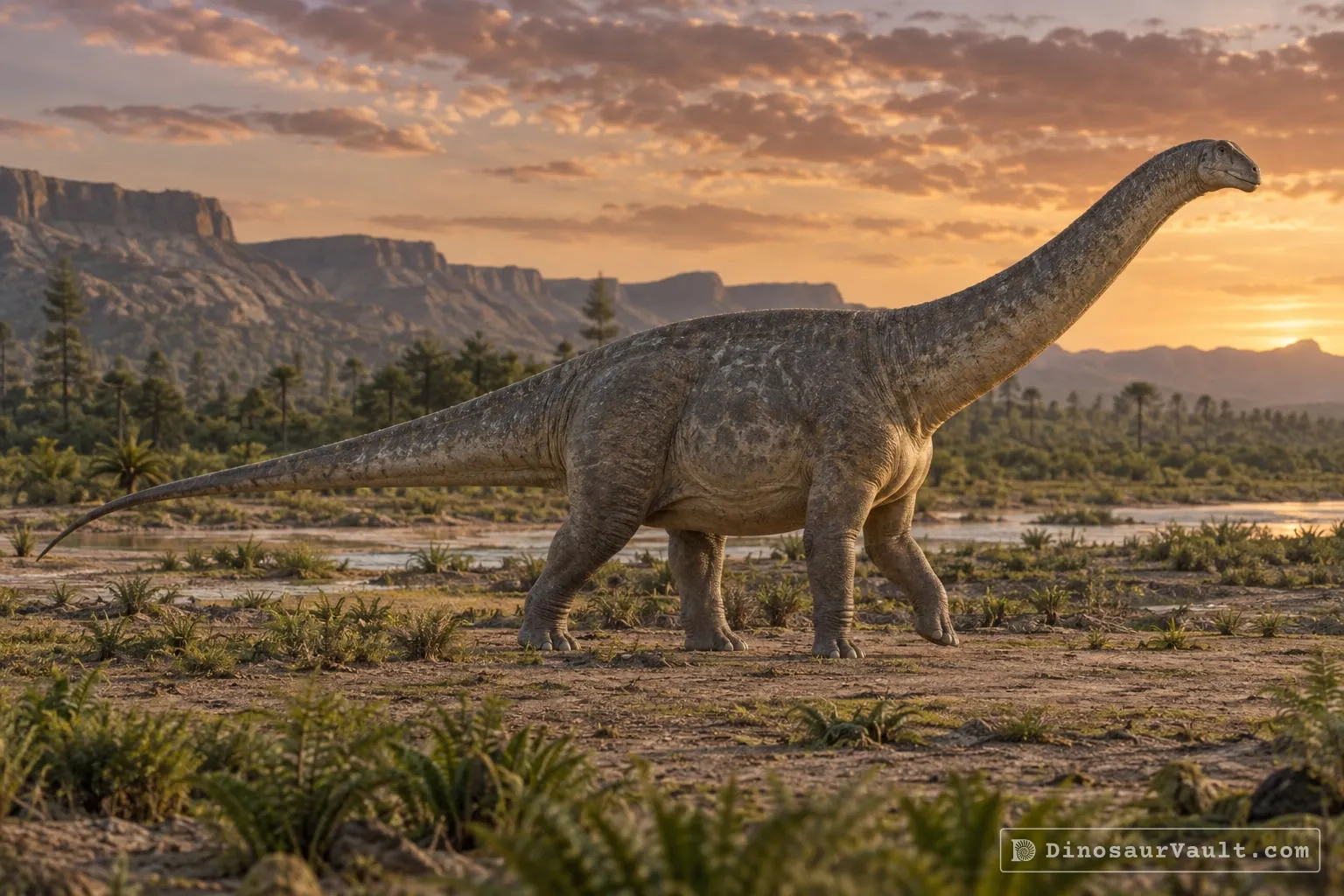
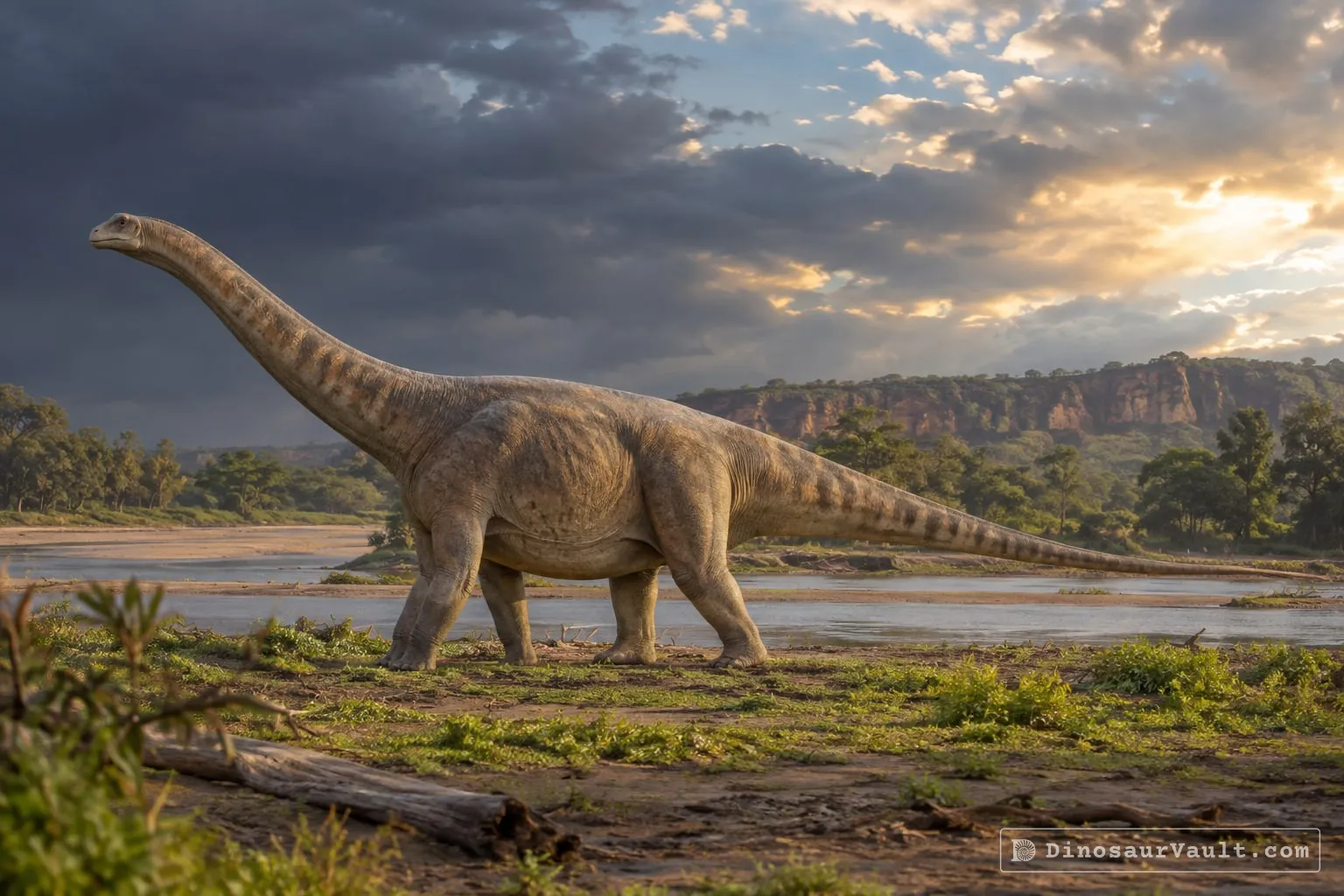
Imrankhanhero was described as a titanosaur, a long-necked plant eater. It is known from scattered bones.
Its world
It lived about 72 to 66 million years ago, near the end of the Cretaceous, in what is now Pakistan. It comes from the Vitakri Formation.
How it was found
Malkani named Imrankhanhero in 2023. The type species is Imrankhanhero zilefatmi. Many other paleontologists think the bones are too scrappy to define a genus, so the name is often treated as doubtful.
Field gallery
More views of Imrankhanhero
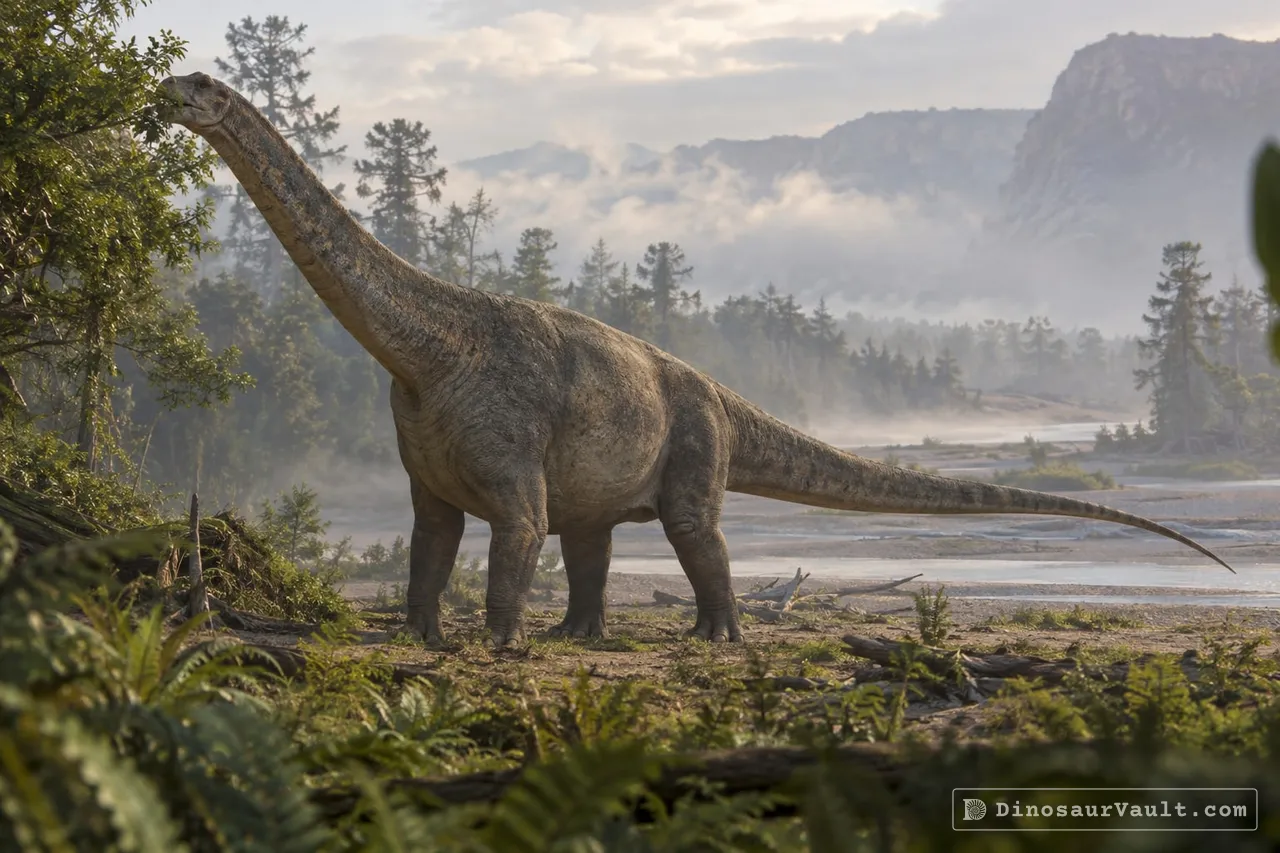
Scenes reconstructed from the available fossil evidence.
Lived alongside
Found in the same rock formations
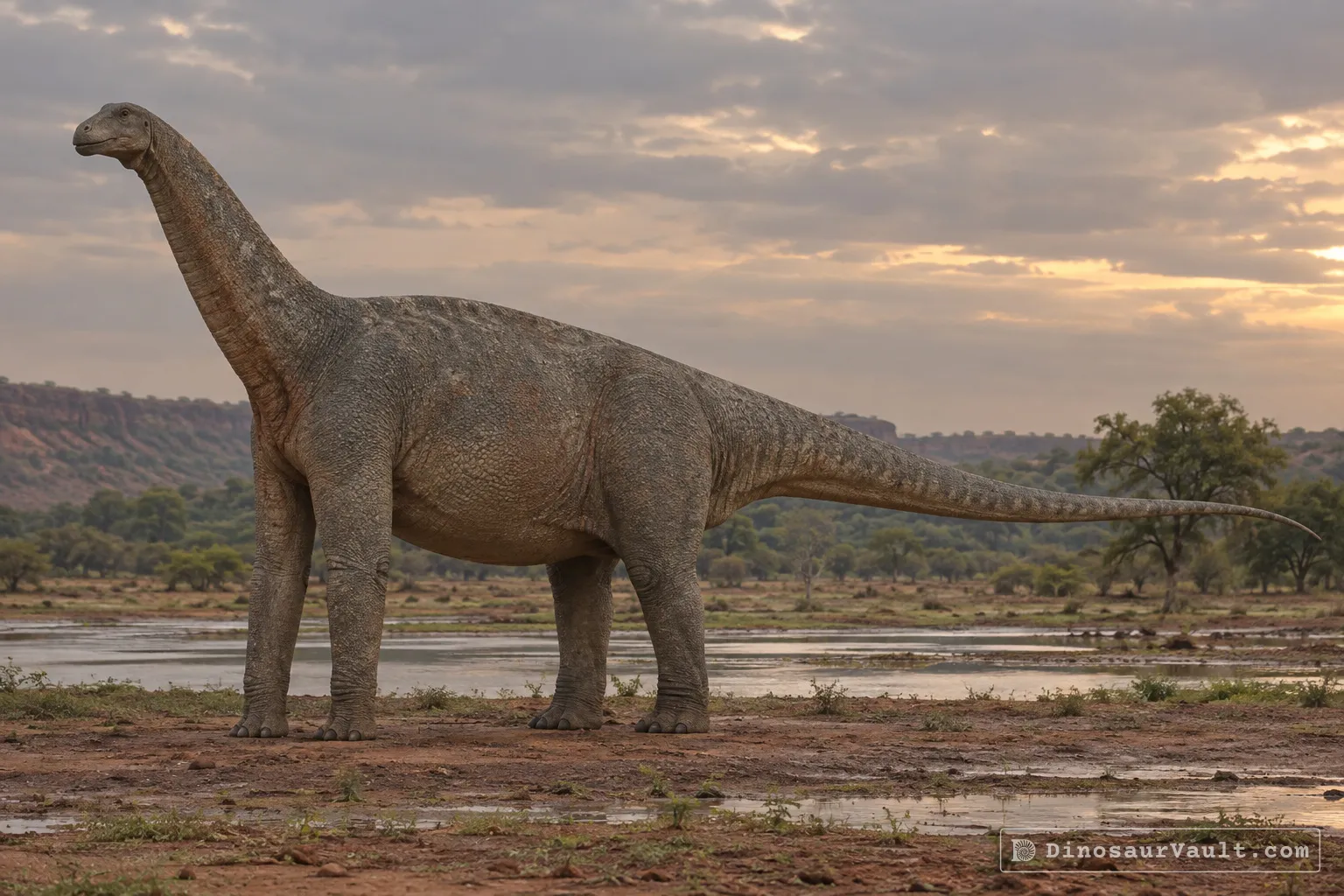
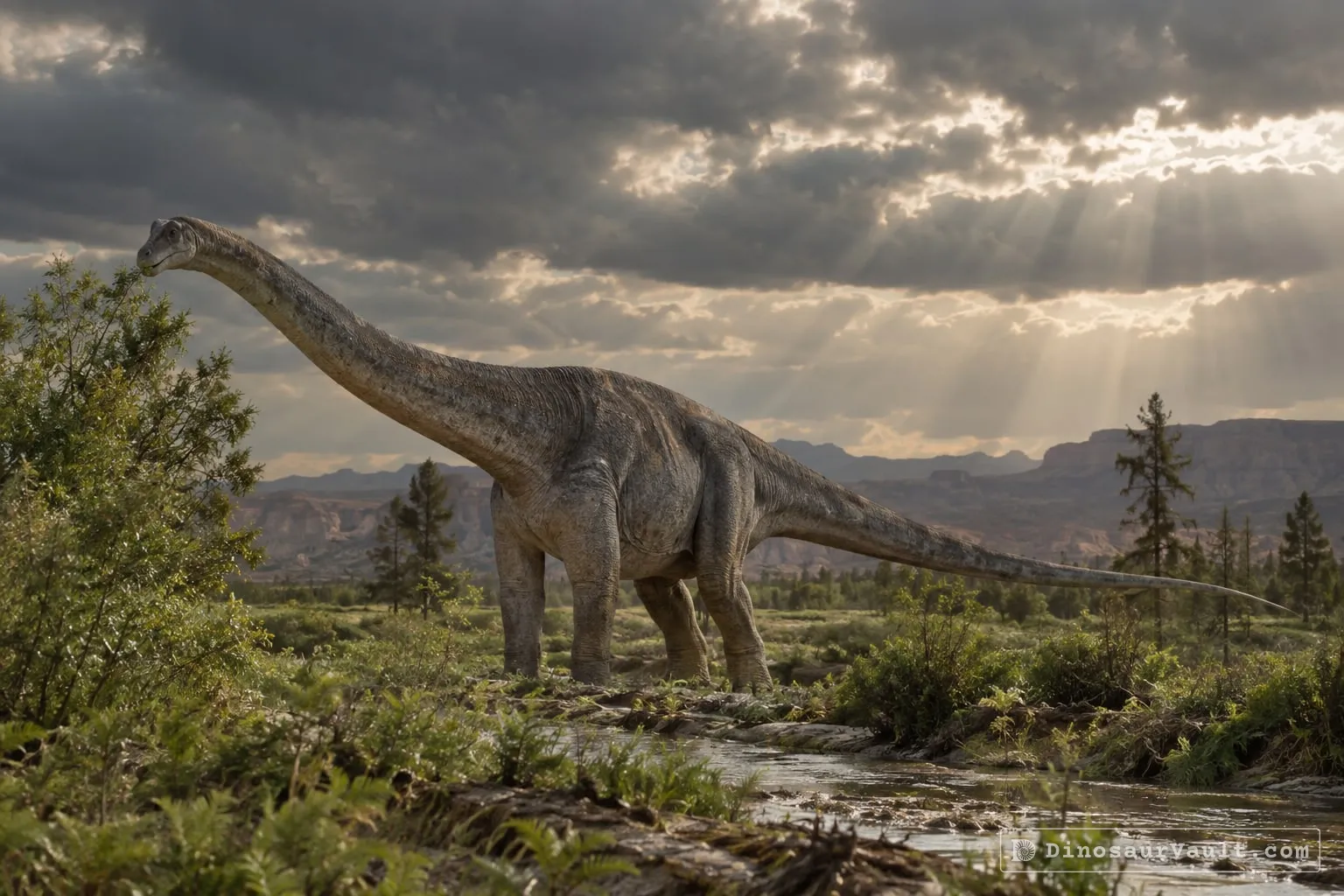
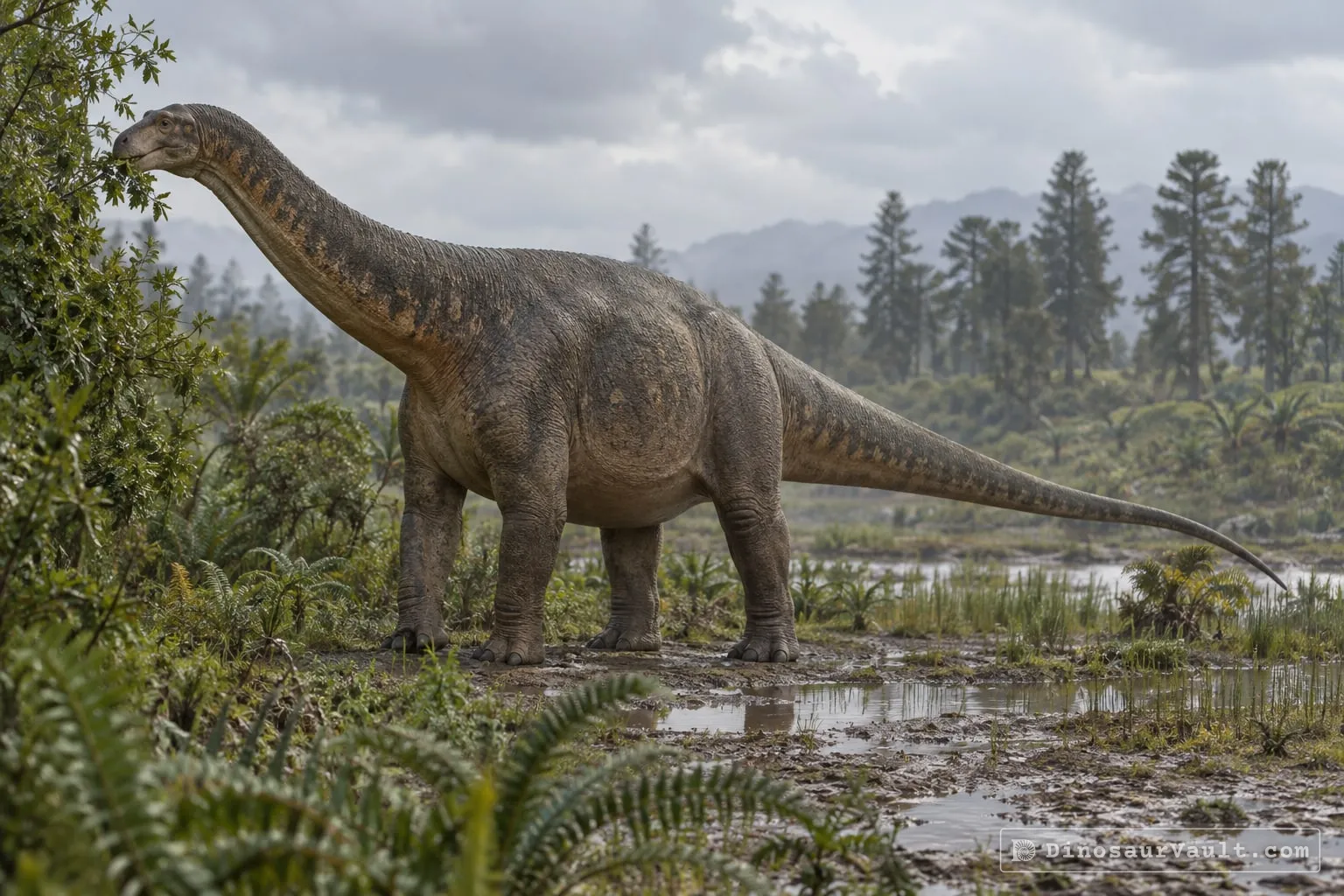
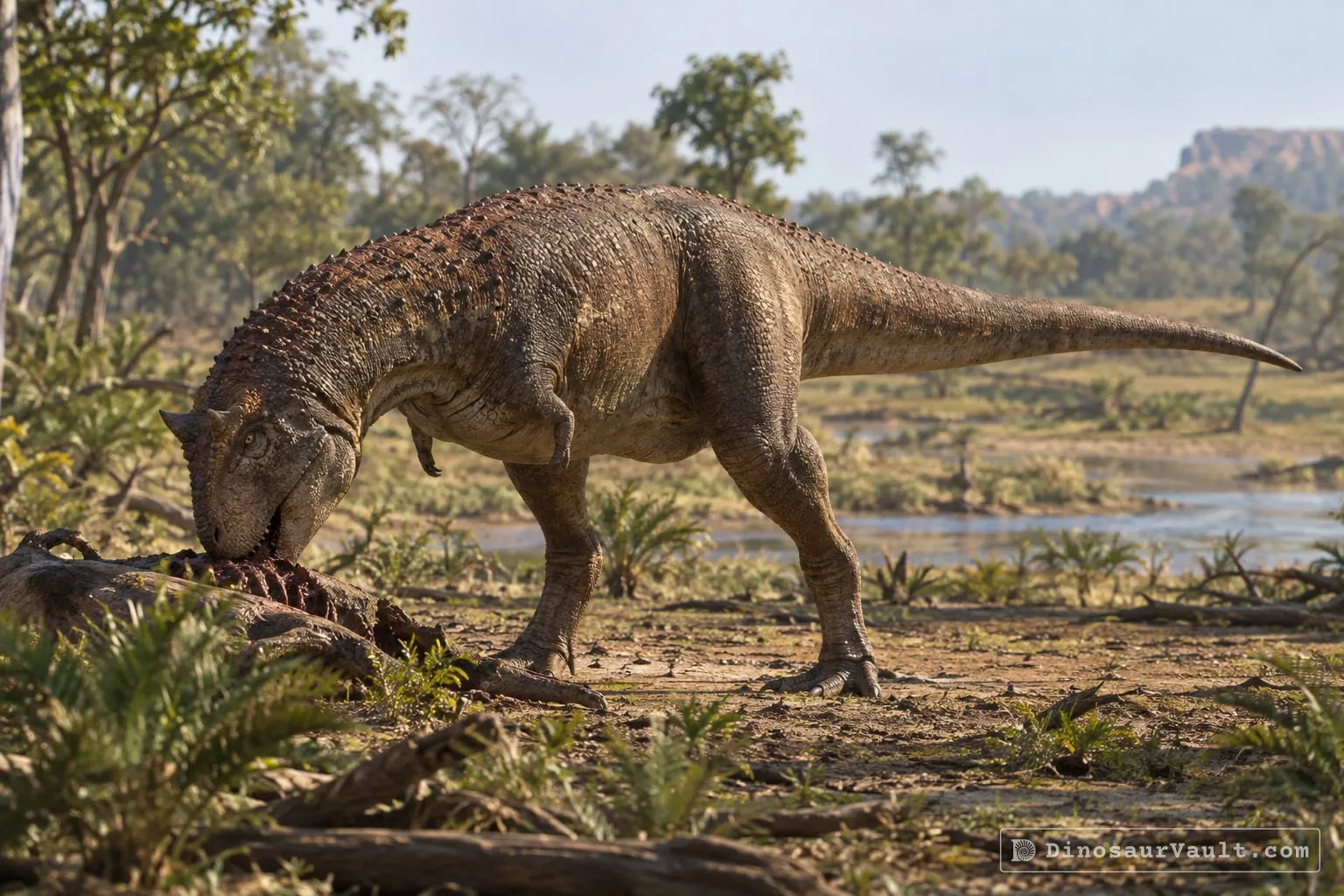
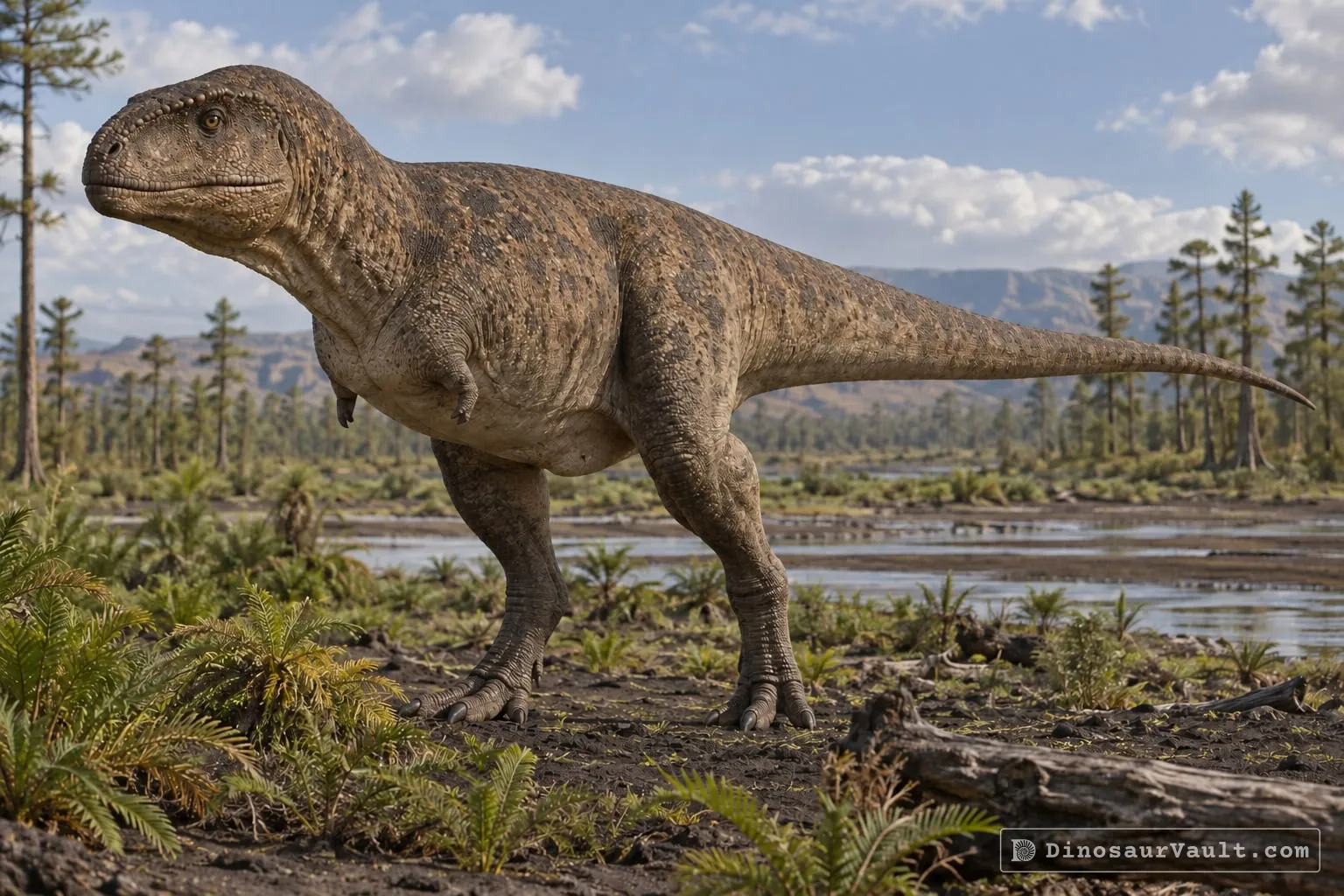
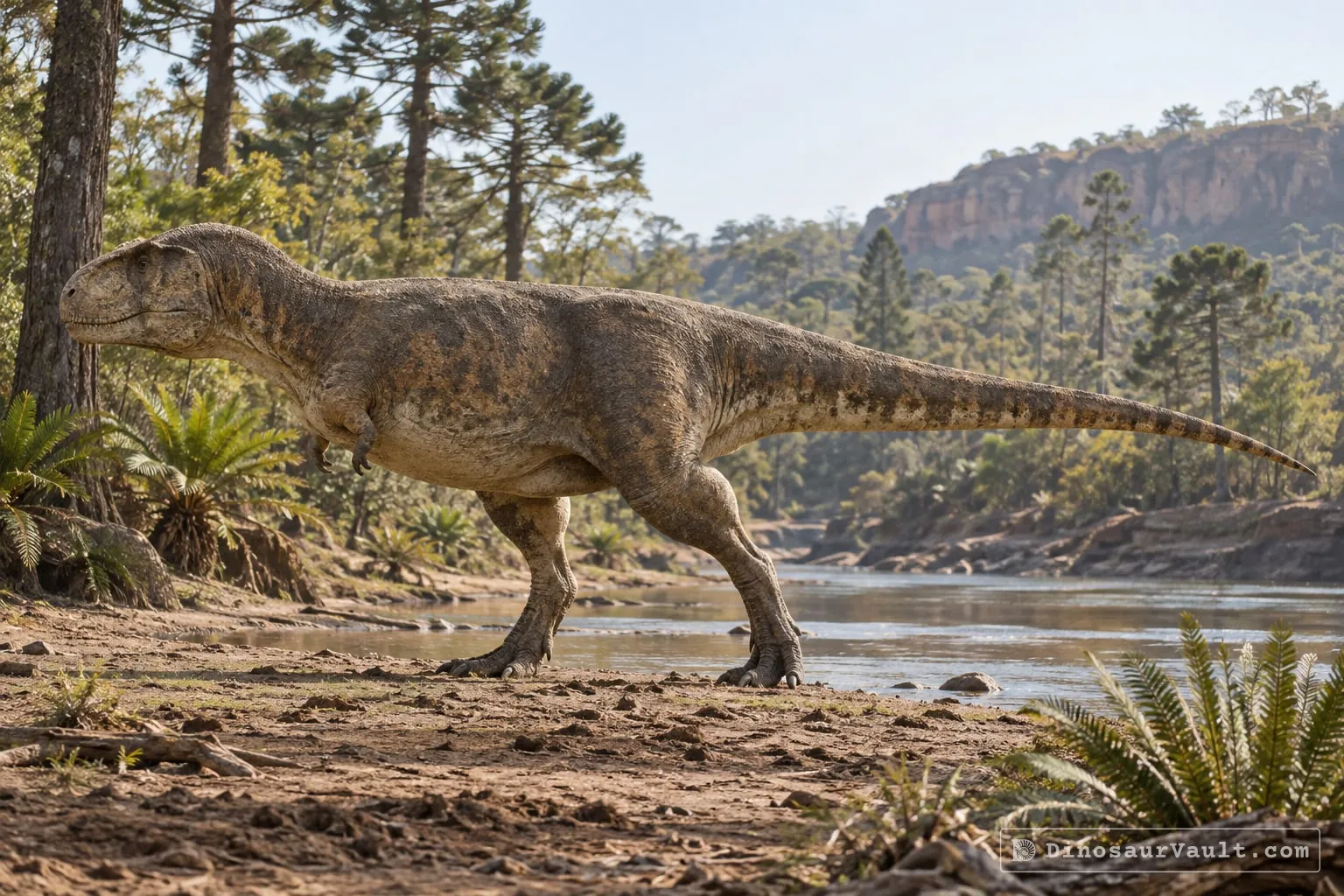


A rock formation can hold fossils laid down millions of years apart, so not every animal here met Imrankhanhero.
The evidence
The science behind Imrankhanhero
Which parts of the picture come from its own bones, and which come from its relatives.
From its own fossils
- The original fossils include parts of a right upper arm bone, thigh bone and calf bone.
- The upper arm bone has a curved muscle crest, and the thigh bone is slender.
Borrowed from relatives
- Its missing skull, neck and most of the backbone are restored from better-known titanosaurs such as Isisaurus.
Still unknown
- Whether Imrankhanhero is a distinct genus.
- Whether the isolated bones later assigned to it all belong to this animal.
- Its full body proportions and skin covering.
Discovery timeline
- 2023Named itMalkani
- 2024New findMalkani
- 2025RedescriptionMalkani
Key papers
The research behind what we know of Imrankhanhero
Named it
Named Imrankhanhero from incomplete arm and leg bones, comparing their shapes with other titanosaurs.
A Glance on the Mineral Deposits and Stratigraphic Sequential Variations and Structures in Different Sections of Indus Basin (Pakistan): New Titanosaurian Sauropod Dinosaurs from the Latest Maastrichtian Vitakri Formation of Pakistan. Open Journal of Geology 13: 1069-1138
Read the paper : A Glance on the Mineral Deposits and Stratigraphic Sequential Variations and Structures in Different Sections of Indus Basin (Pakistan): New Titanosaurian Sauropod Dinosaurs from the Latest Maastrichtian Vitakri Formation of Pakistan (opens in a new tab)New find
Assigned additional tail, shoulder and armor bones to Imrankhanhero and compared its shin bones with those of other titanosaurs.
New Data on Coal, Gypsum, Iron and Silica Sand Deposits and Geochemical Exploration (Pakistan): Revision of 25 Years History of Dinosaur Discoveries from Pakistan. Open Journal of Geology 14: 431-511
Read the paper : New Data on Coal, Gypsum, Iron and Silica Sand Deposits and Geochemical Exploration (Pakistan): Revision of 25 Years History of Dinosaur Discoveries from Pakistan (opens in a new tab)Redescription
Compared the shape of shin bones assigned to Imrankhanhero with those of other titanosaurs from Pakistan.
Geology and Mineral Resources of Some Districts of Pakistan: Recent Found Paleontological Sites and New Titanosaur from Pakistan and First Diplodocid Dinosaur from Indo-Pakistan and Asia. Open Journal of Geology 15: 671-715
Read the paper : Geology and Mineral Resources of Some Districts of Pakistan: Recent Found Paleontological Sites and New Titanosaur from Pakistan and First Diplodocid Dinosaur from Indo-Pakistan and Asia (opens in a new tab)
Close relatives
Other members of Pakisauridae


