Outline: a typical ornithopod
Magnapaulia
"big Paul"
- Lived
- 84 to 72 million years ago, Late Cretaceous
- Diet
- Herbivore
- Group
- Ornithopods, Hadrosauridae
- Found in
- Mexico
- Named by
- Prieto-Marquez et al. 2012
Where its fossils were found
The evidence
Today

80 million years ago
Field notes
About Magnapaulia
What it was like
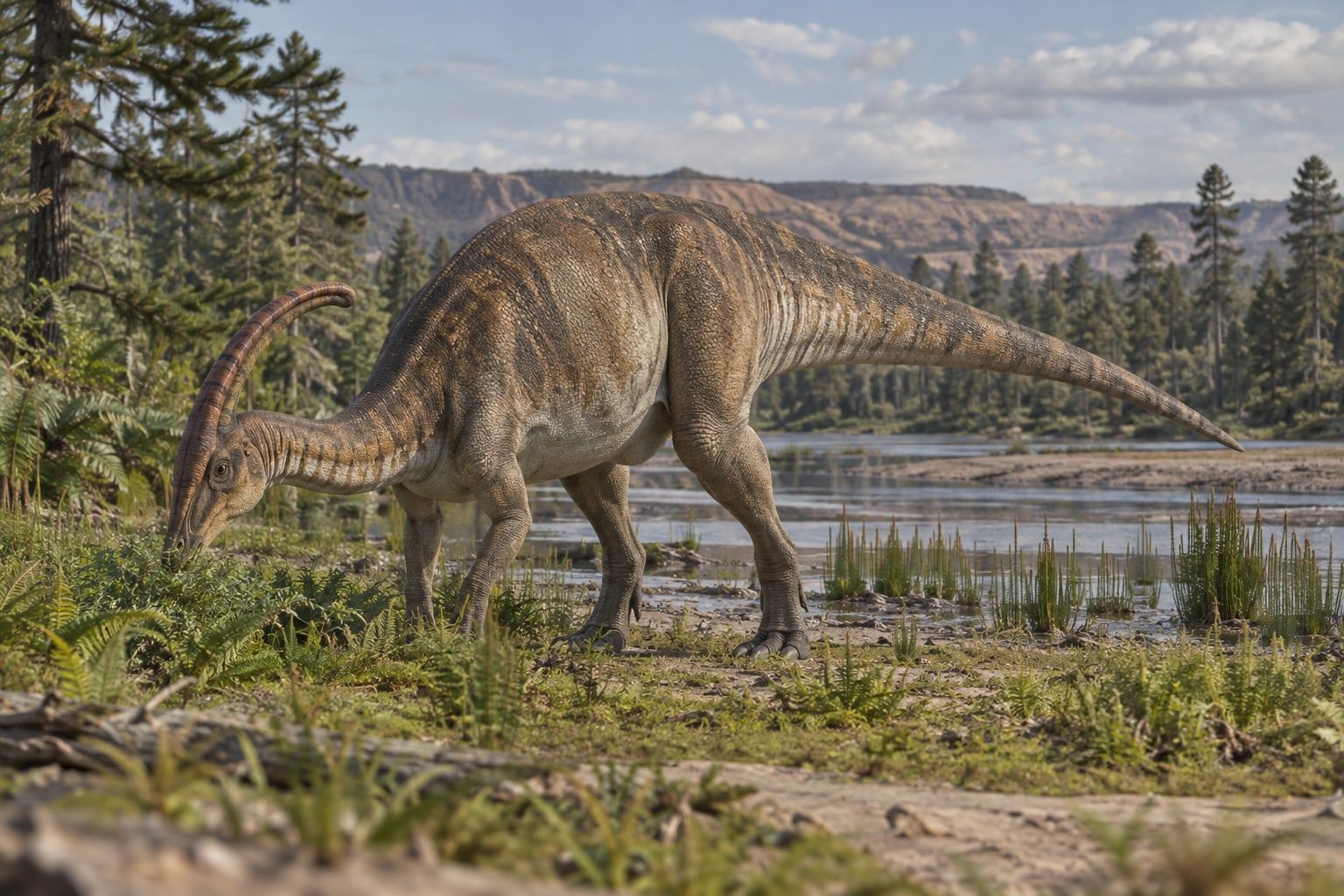
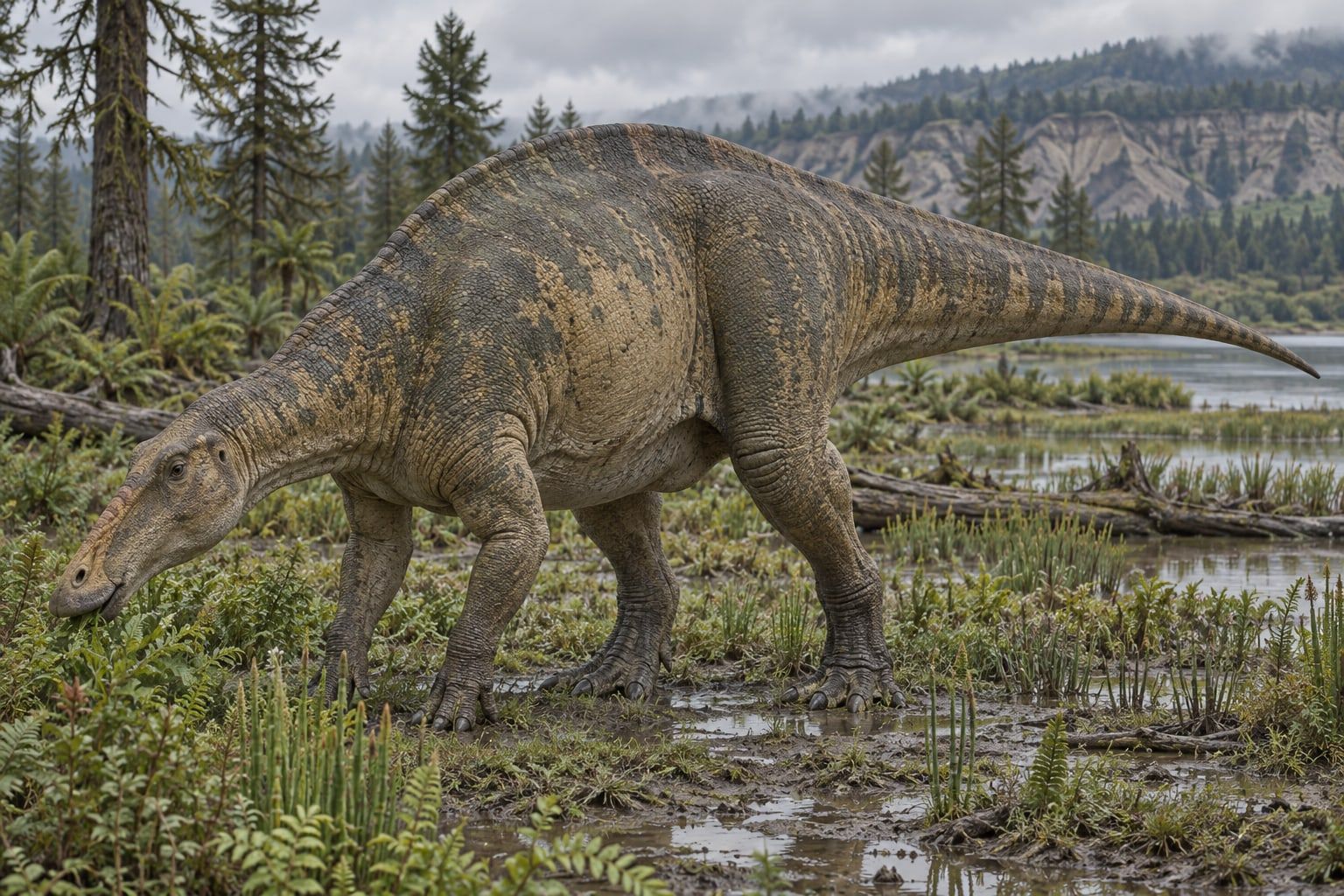
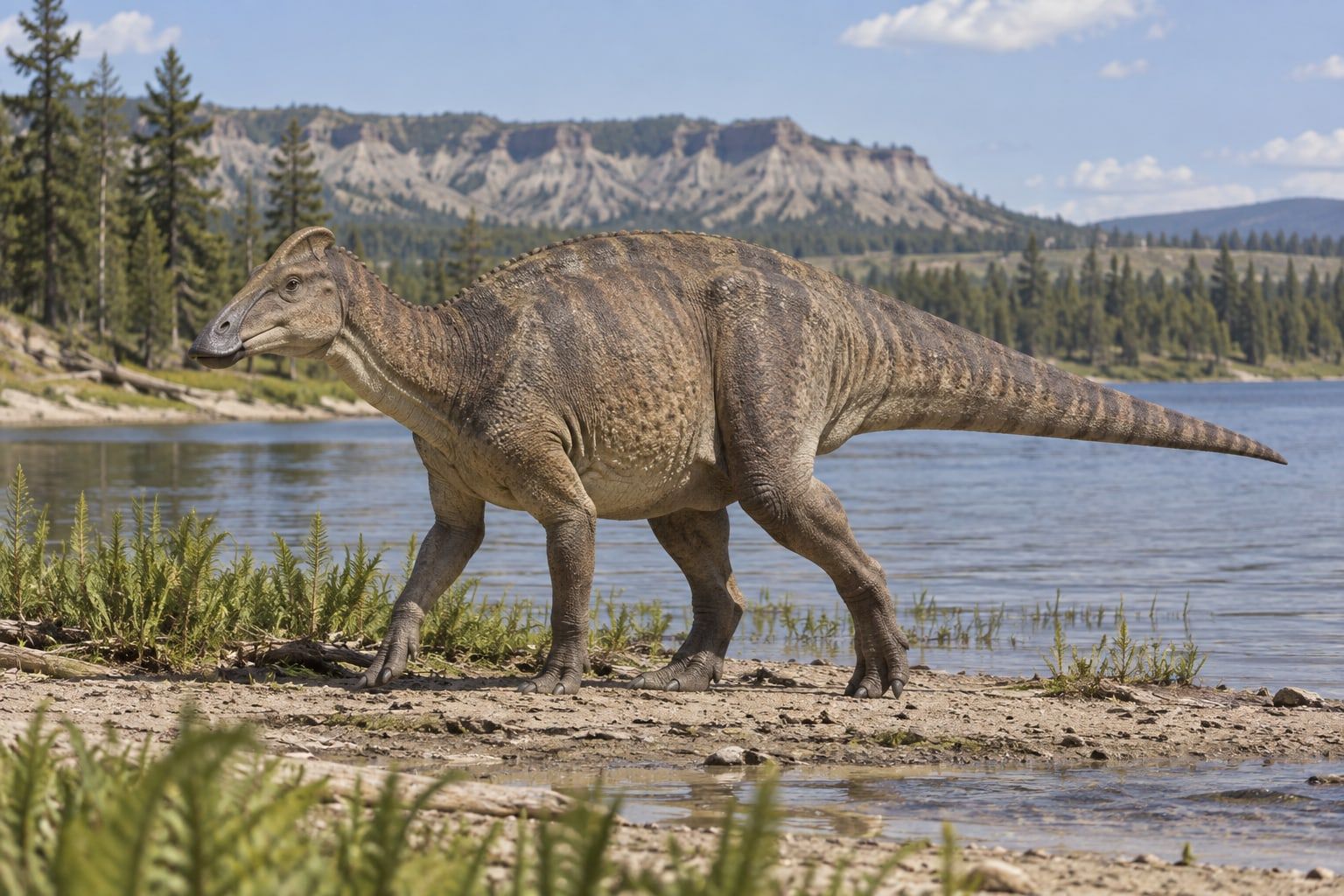
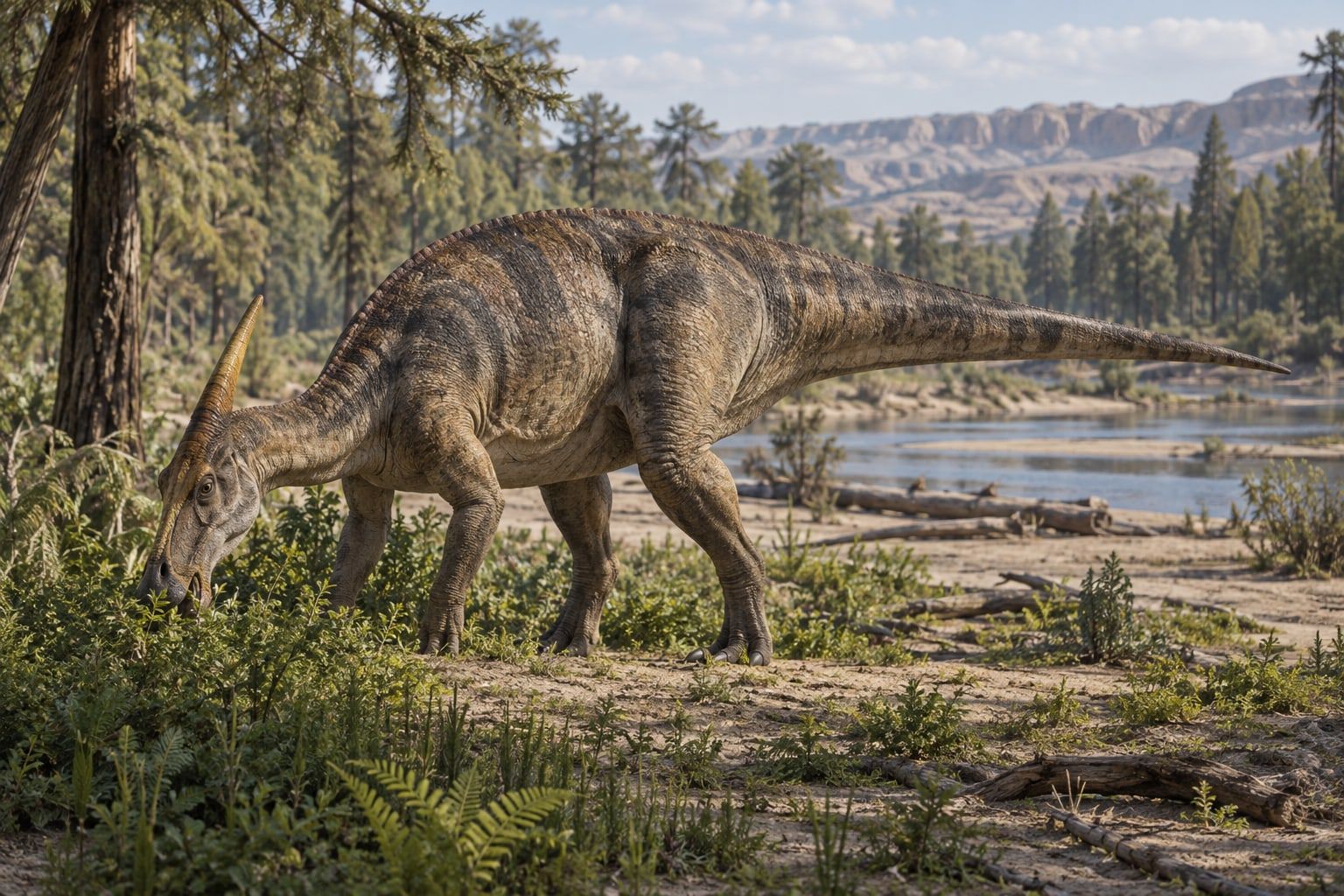
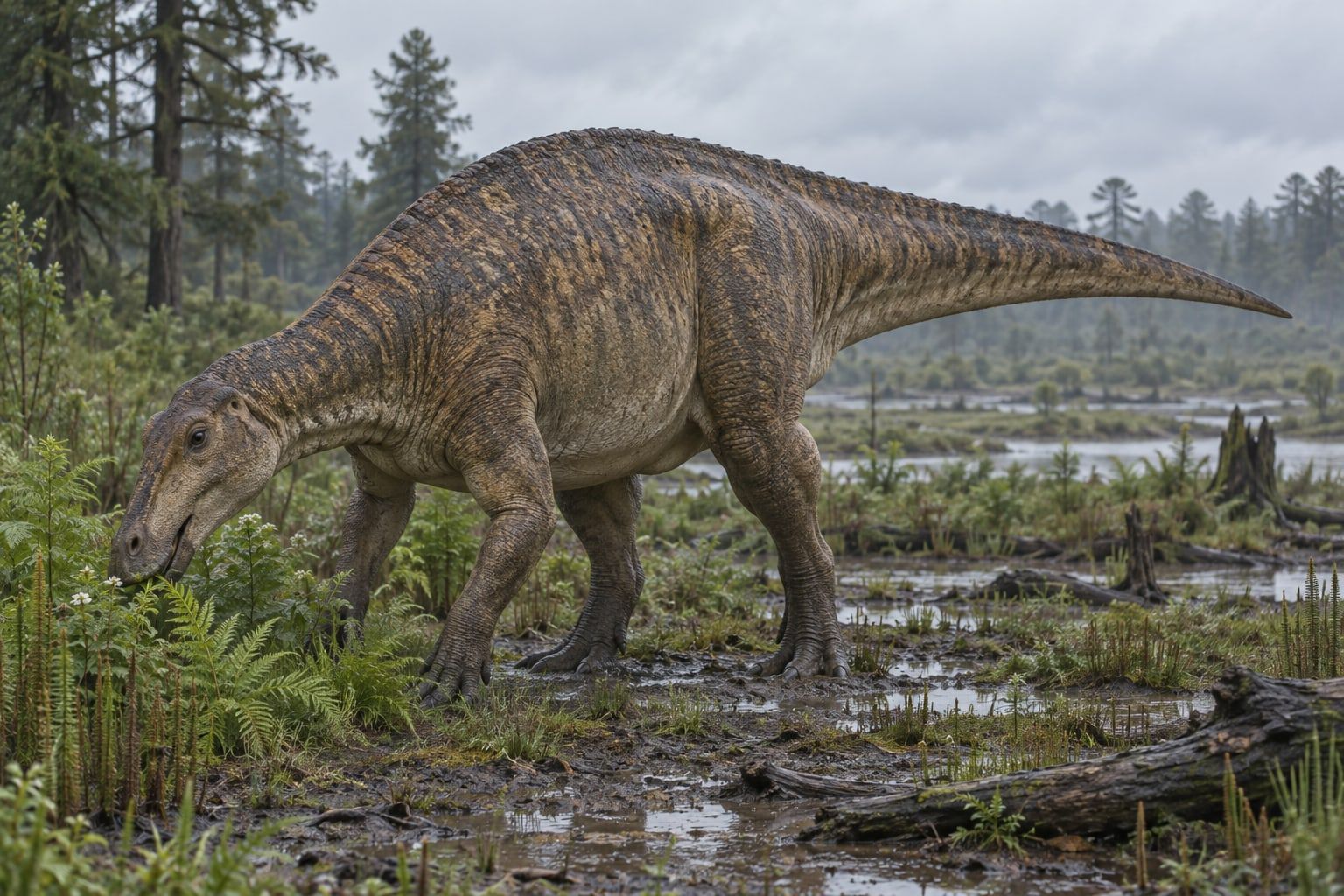
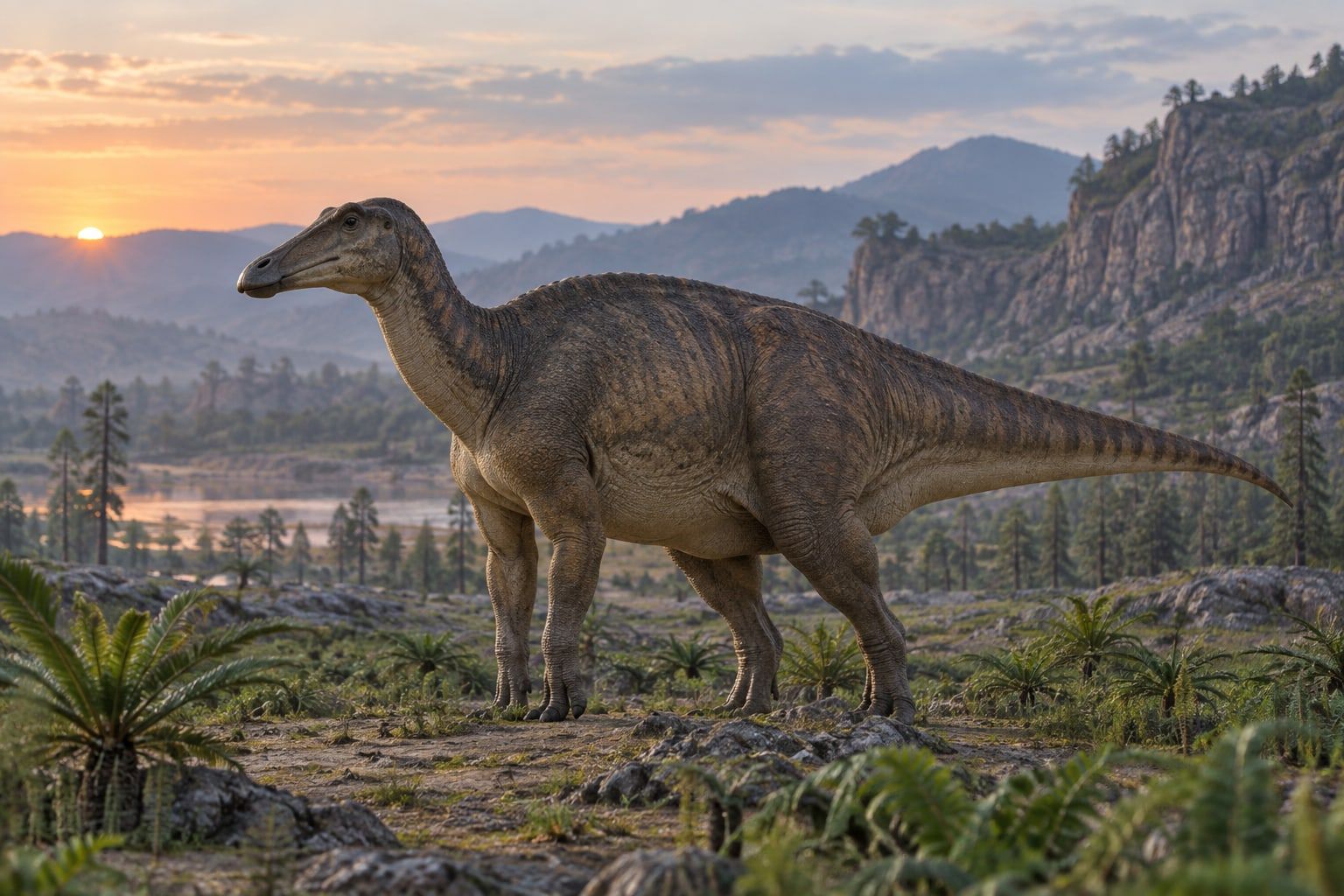
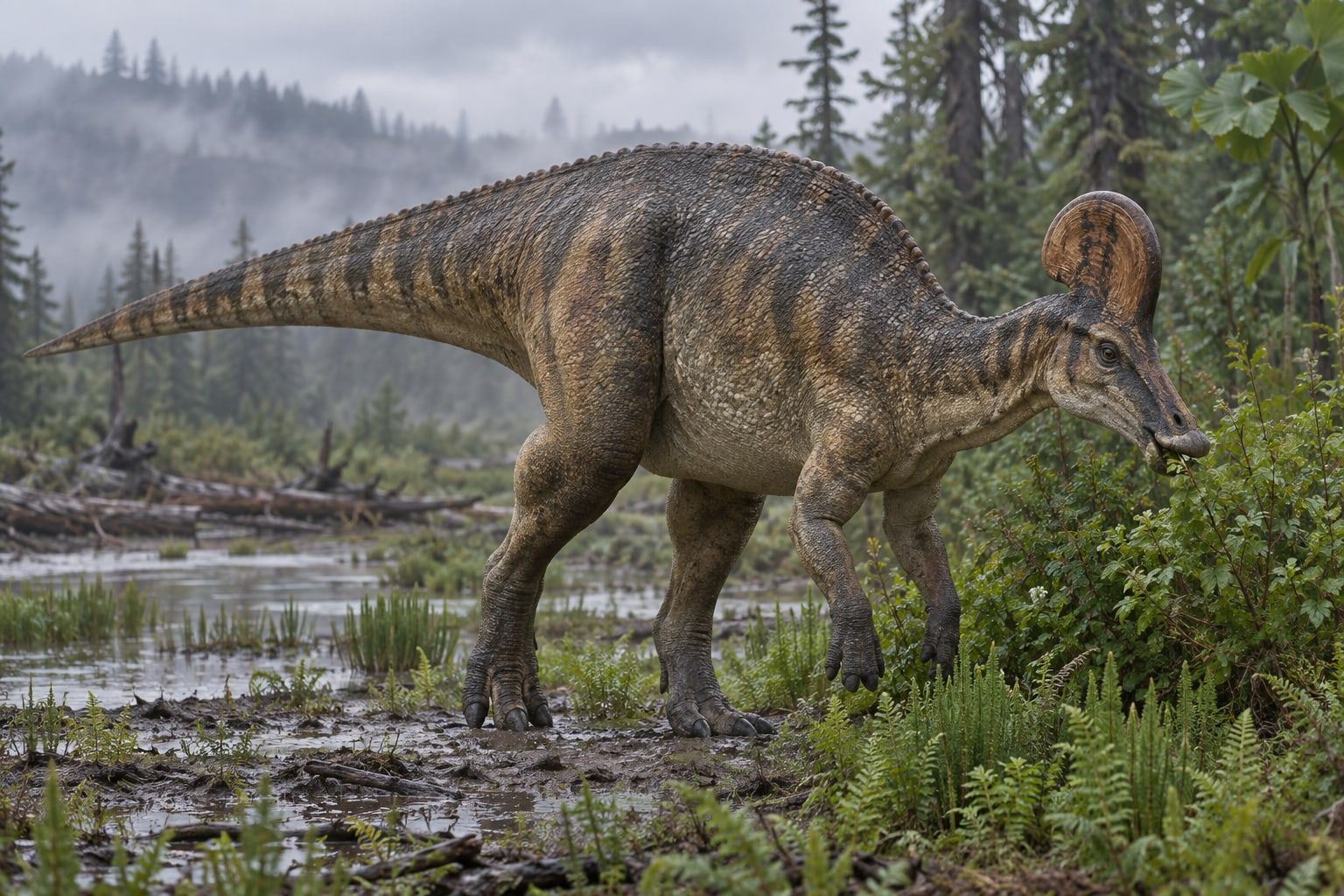
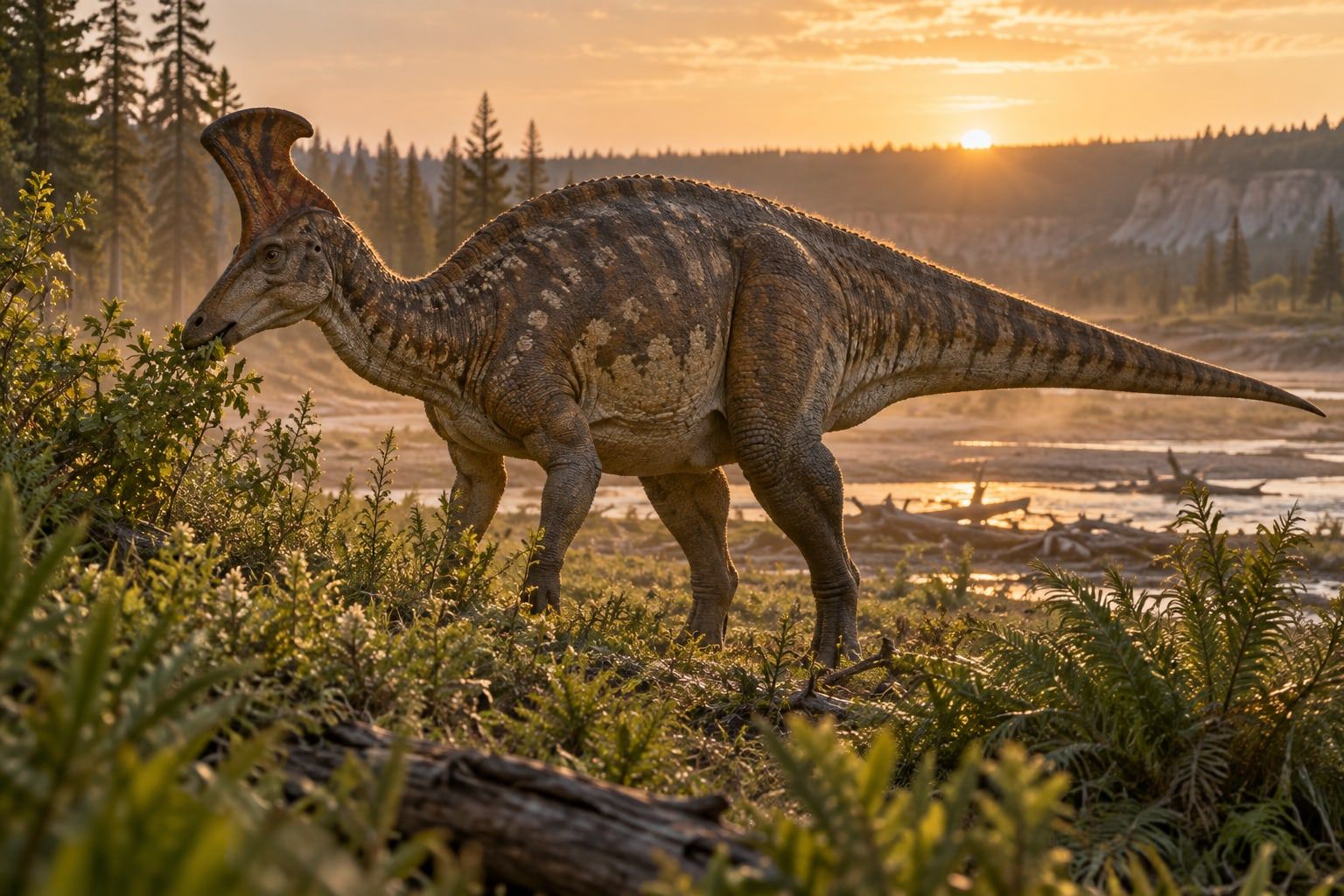
Magnapaulia was a very large duck-billed dinosaur from the branch of hadrosaurs that bore hollow crests on their heads. It had tall spines along its tail, which made the tail deep from top to bottom.
It ranks among the largest members of its group, although only a few partial skeletons are known.
Its world
It lived about 84 to 72 million years ago, in the Late Cretaceous, in what is now northwestern Mexico. Its bones come from the El Gallo Formation.
How it was found
Its bones were first described as a possible species of Lambeosaurus. Prieto-Marquez and colleagues gave it a genus of its own in 2012.
Close relatives
Other members of Hadrosauridae
Sources: WikidataNamed in: A. Prieto-Marquez, L. M. Chiappe, and S. H. Joshi. 2012. The lambeosaurine dinosaur Magnapaulia laticaudus from the Late Cretaceous of Baja California, northwestern Mexico. PLoS ONE 7(6):e38207:1-32