Outline: a typical ornithopod
Kamuysaurus
"god lizard"
Type species Kamuysaurus japonicus
- Lived
- 72 to 66 million years ago, Late Cretaceous
- Diet
- Herbivore
- Group
- Ornithopods, Hadrosauridae
- Found in
- Japan
- Named by
- Kobayashi et al. 2019
Where its fossils were found
The evidence
Today

70 million years ago
Field notes
About Kamuysaurus
What it was like
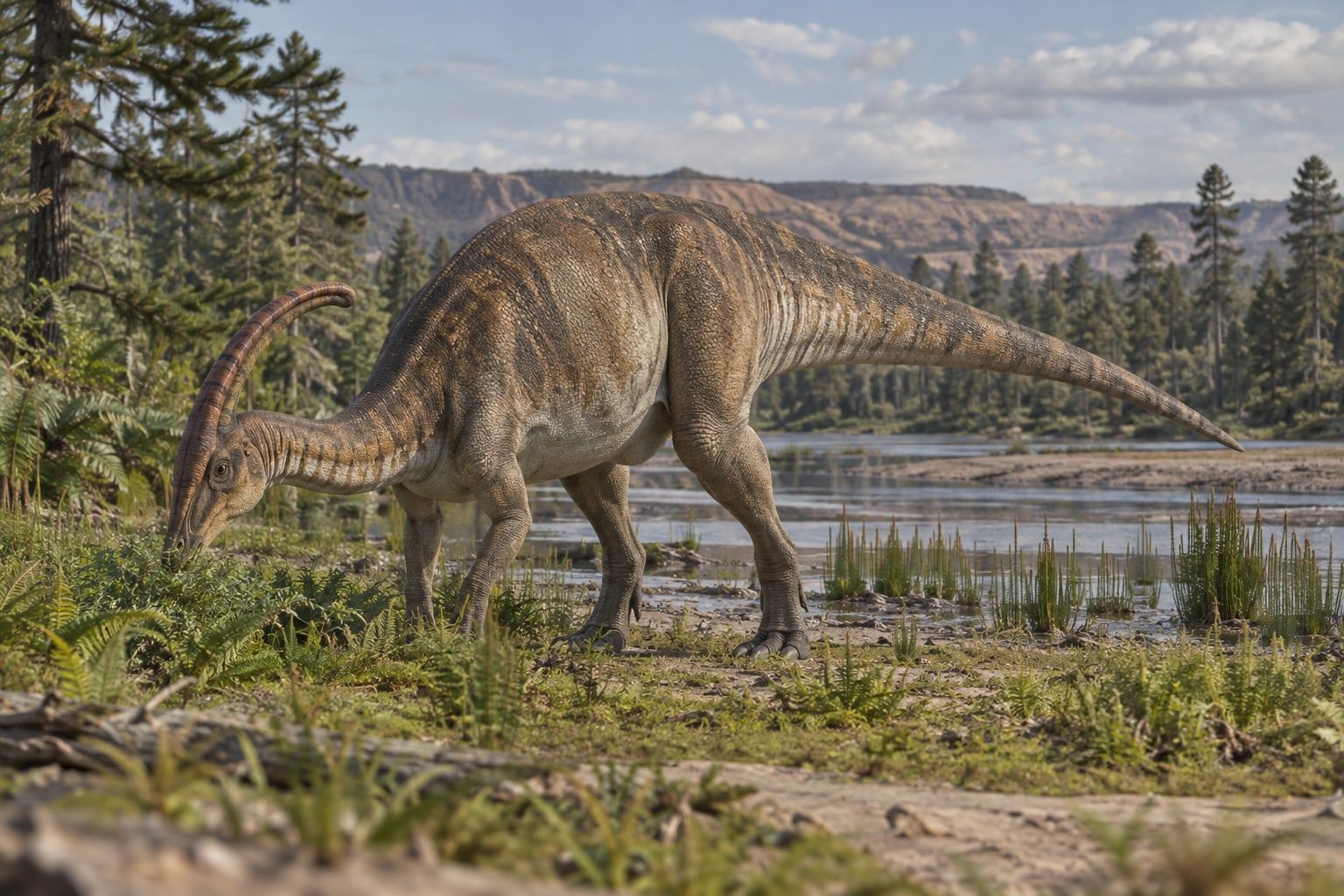
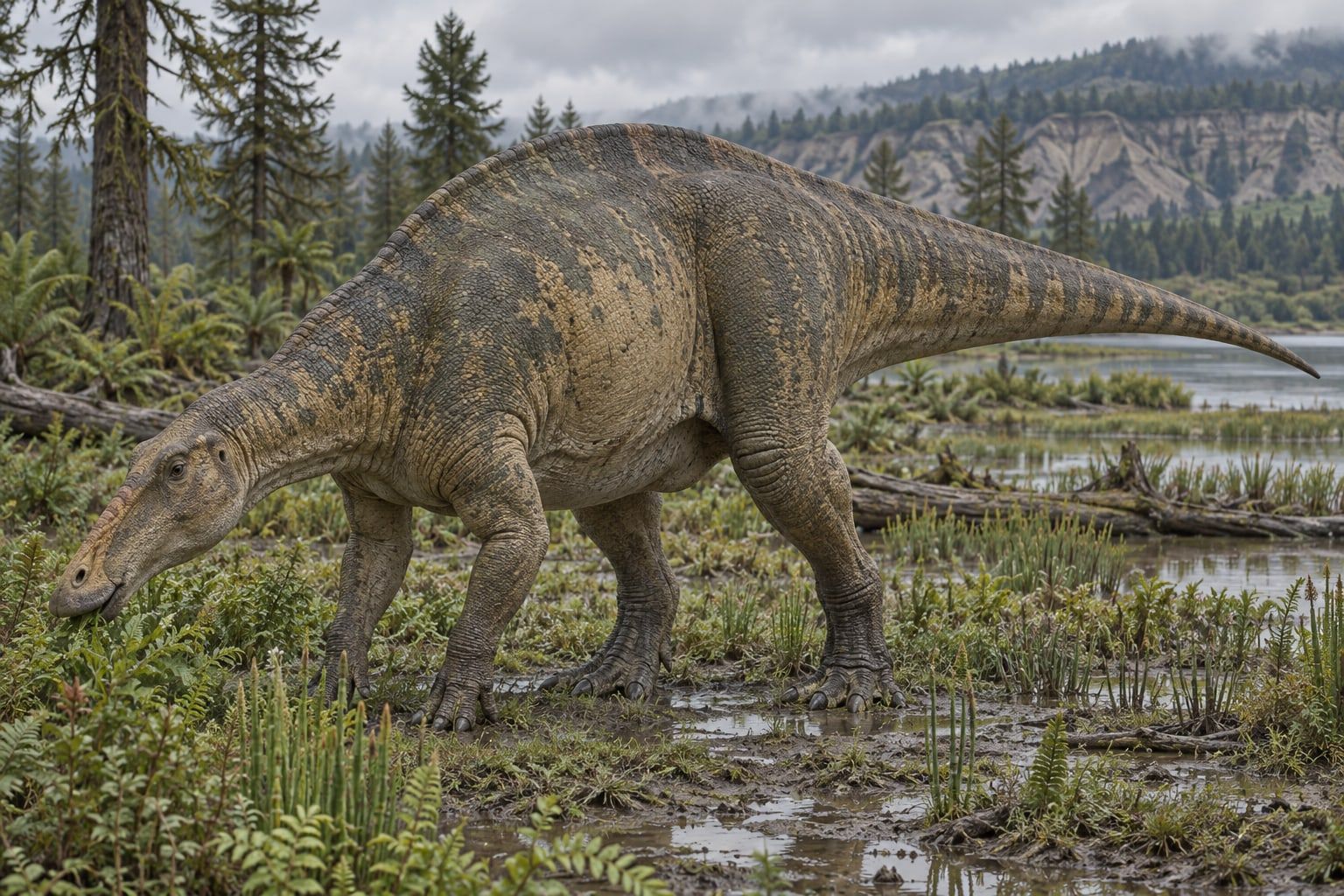
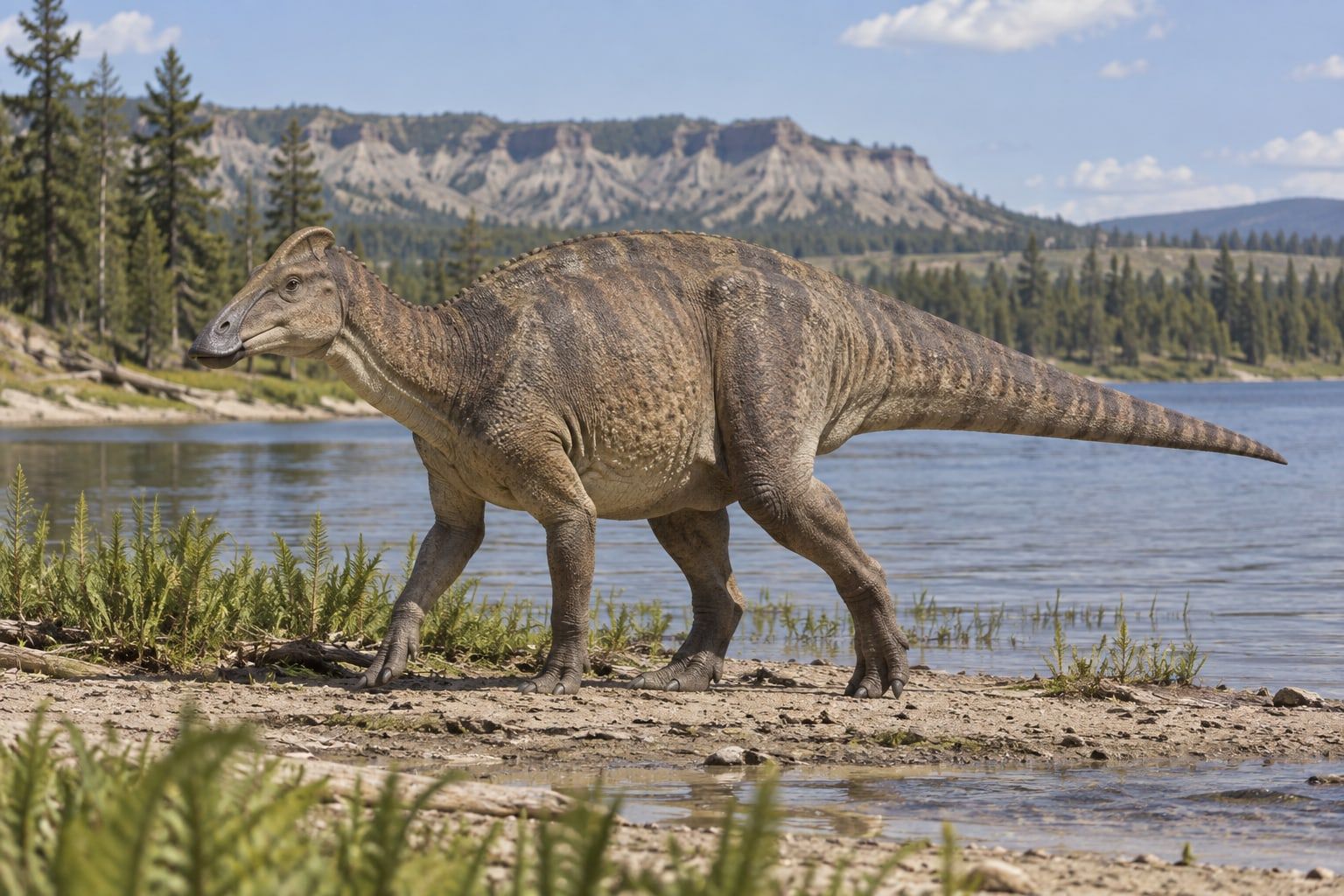
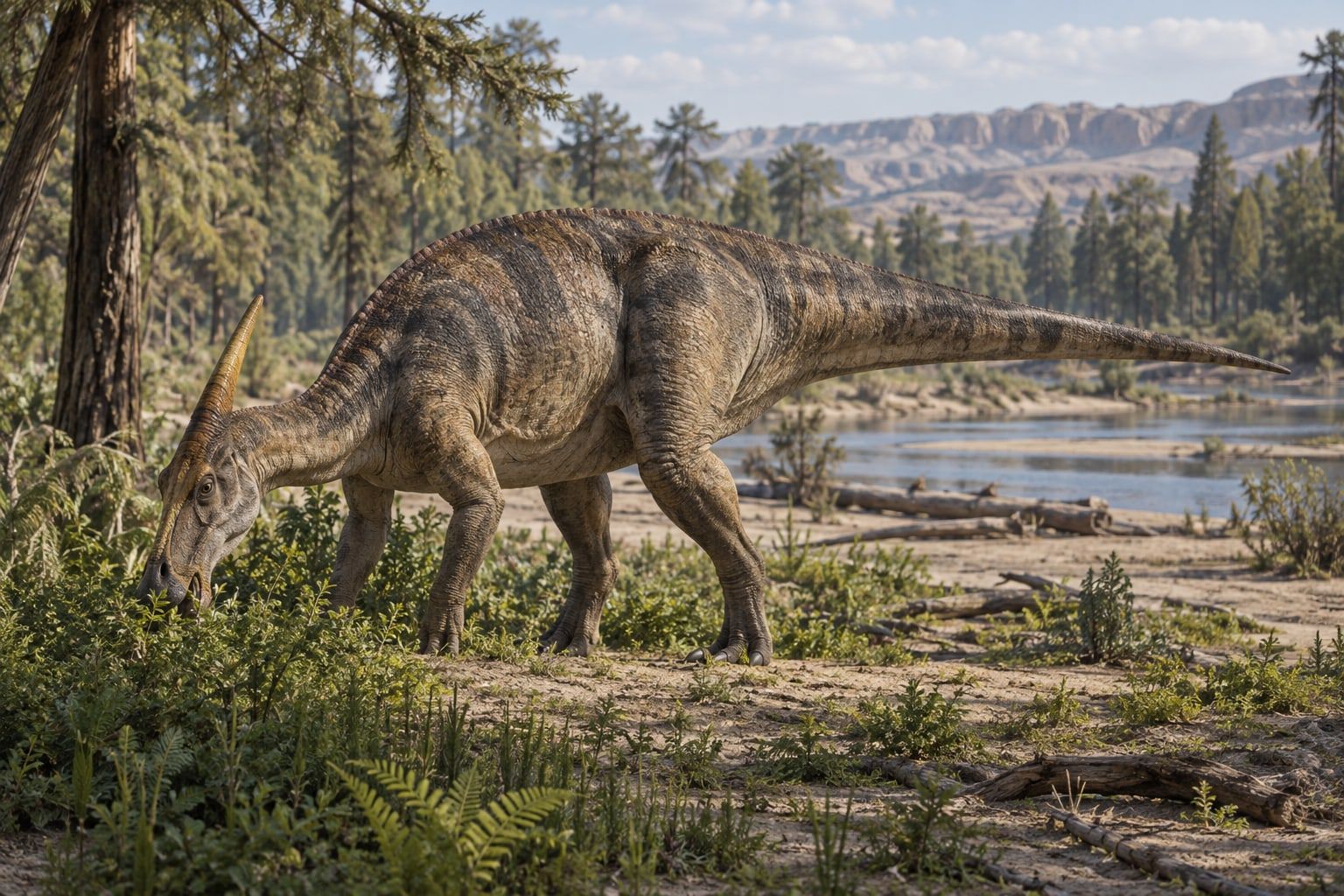
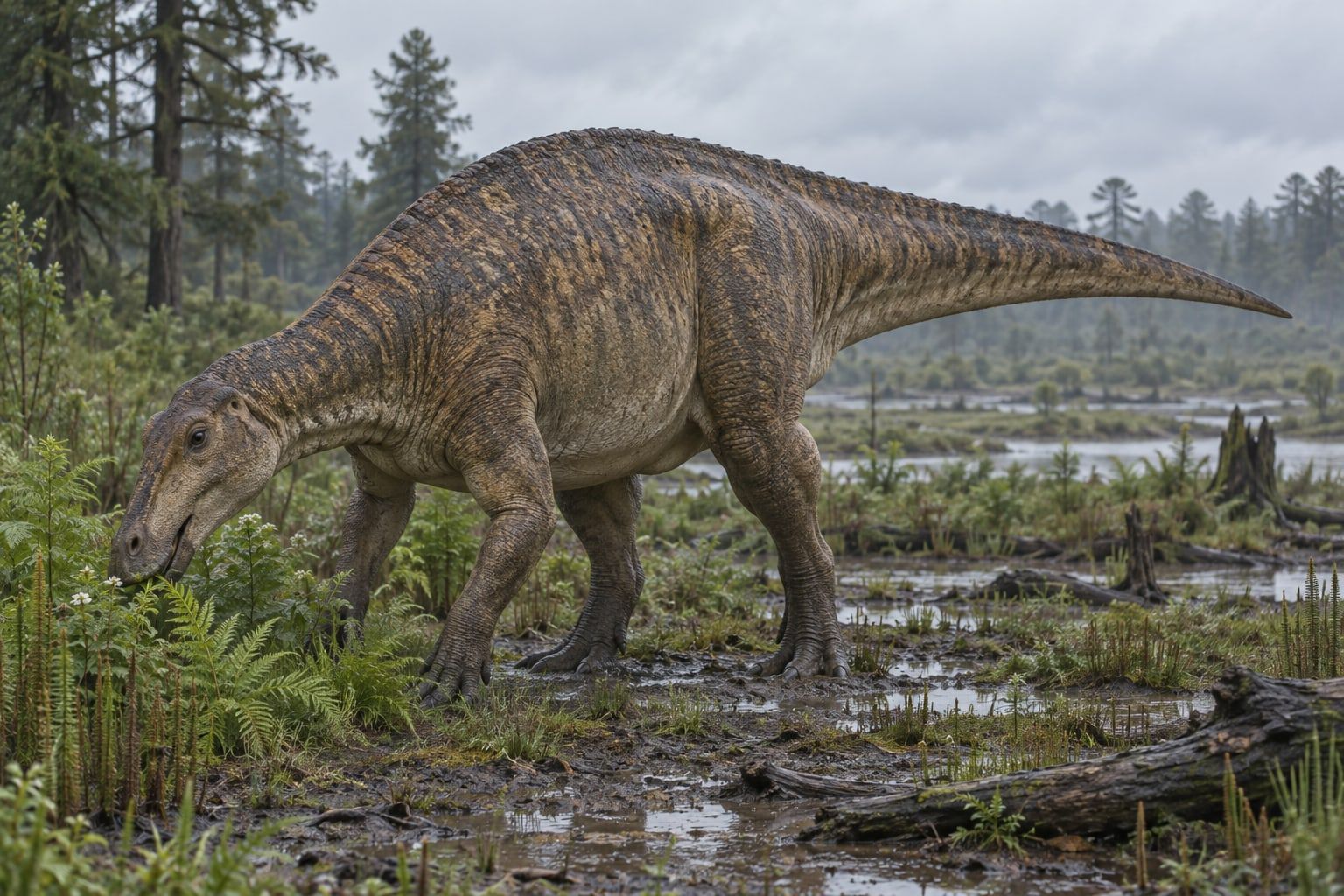
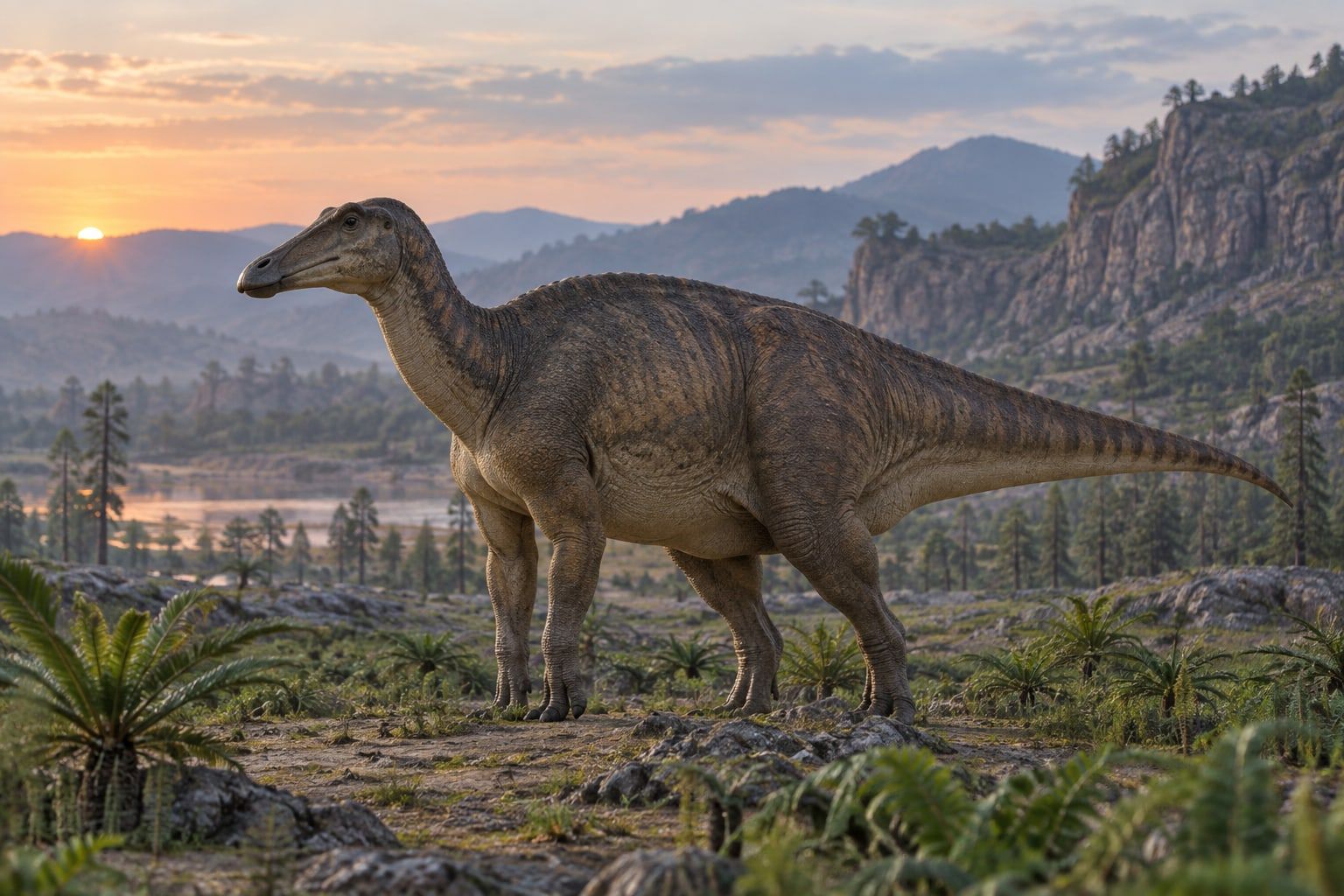
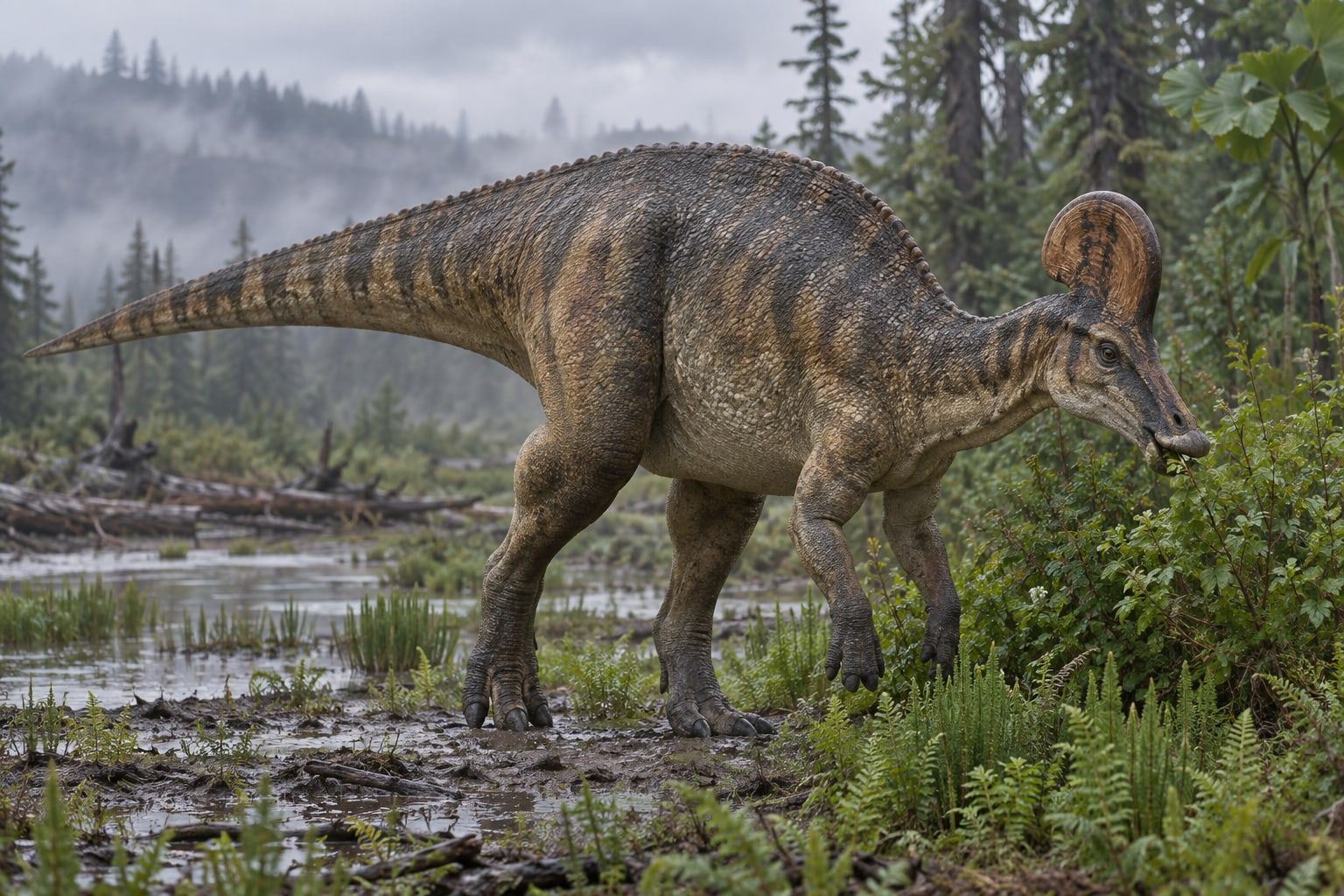
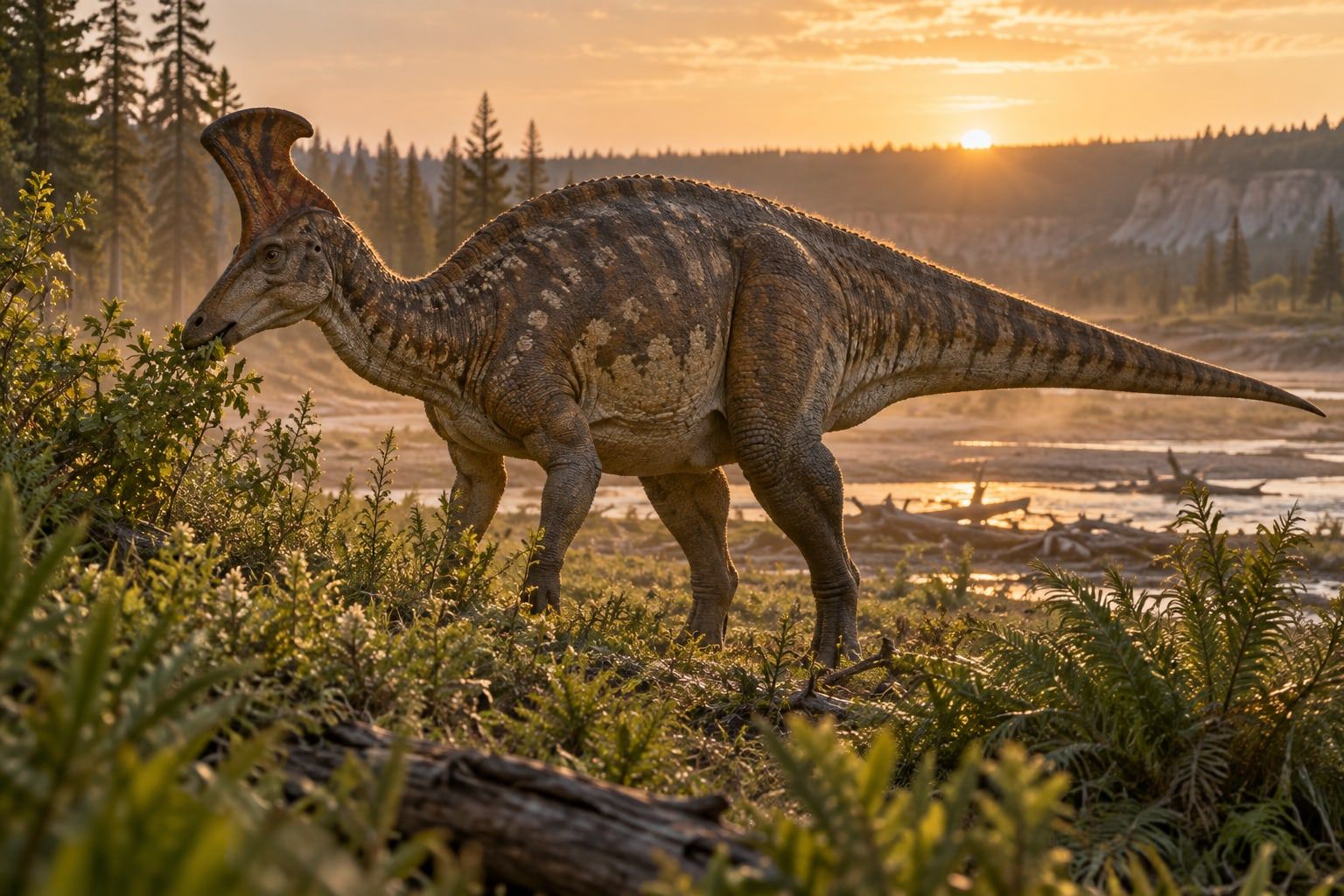
Kamuysaurus was a duckbill, a large plant eater with a broad beak and rows of grinding teeth. It was a close relative of Edmontosaurus and had a low crest on its head. Its skeleton is nearly complete, the most complete dinosaur yet found in Japan.
Its world
It lived about 72 to 66 million years ago, near the end of the Cretaceous, in what is now Japan. Its bones were found in the Hakobuchi Formation, which formed in the sea, so the body was probably washed out from the coast.
How it was found
Kobayashi and colleagues named Kamuysaurus in 2019. The type species is Kamuysaurus japonicus. The first bones, from the tail, were found by an amateur collector, and digging later exposed almost the whole animal.
Close relatives
Other members of Hadrosauridae
Sources: WikidataNamed in: Y. Kobayashi, T. Nishimura, and R. Takasaki, K. Chiba, A. R. Fiorillo, K. Tanaka, T. Chinzorig, T. Sato, K. Sakurai. 2019. A new hadrosaurine (Dinosauria: Hadrosauridae) from the marine deposits of the Late Cretaceous Hakobuchi Formation, Yezo Group, Japan. Scientific Reports 9:12389