Outline: a typical ornithopod
Canardia
"duck"
- Lived
- 72 to 66 million years ago, Late Cretaceous
- Diet
- Herbivore
- Group
- Ornithopods, Hadrosauridae
- Found in
- France
- Named by
- Prieto-Marquez et al. 2013
Where its fossils were found
The evidence
Today

70 million years ago
Field notes
About Canardia
What it was like
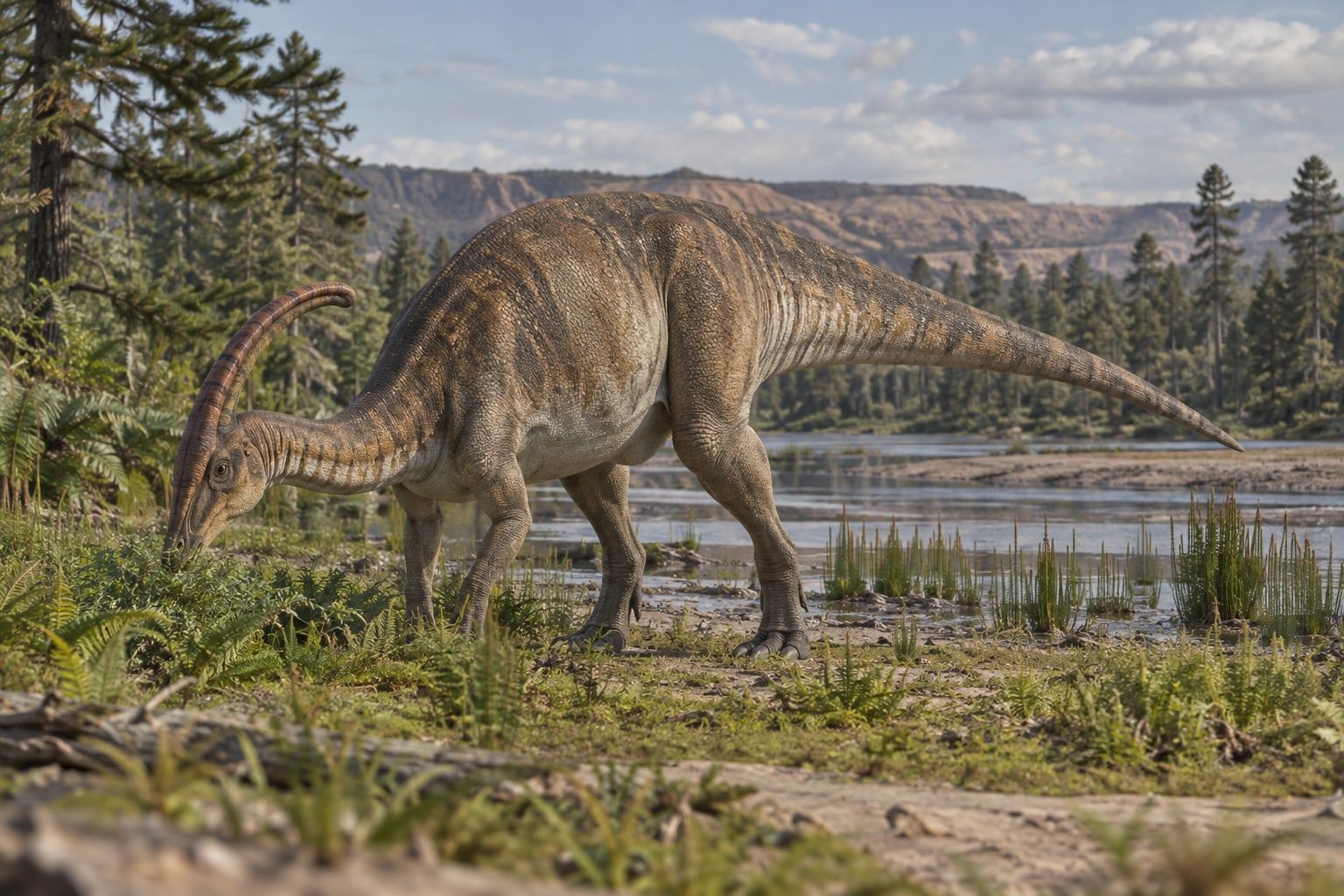
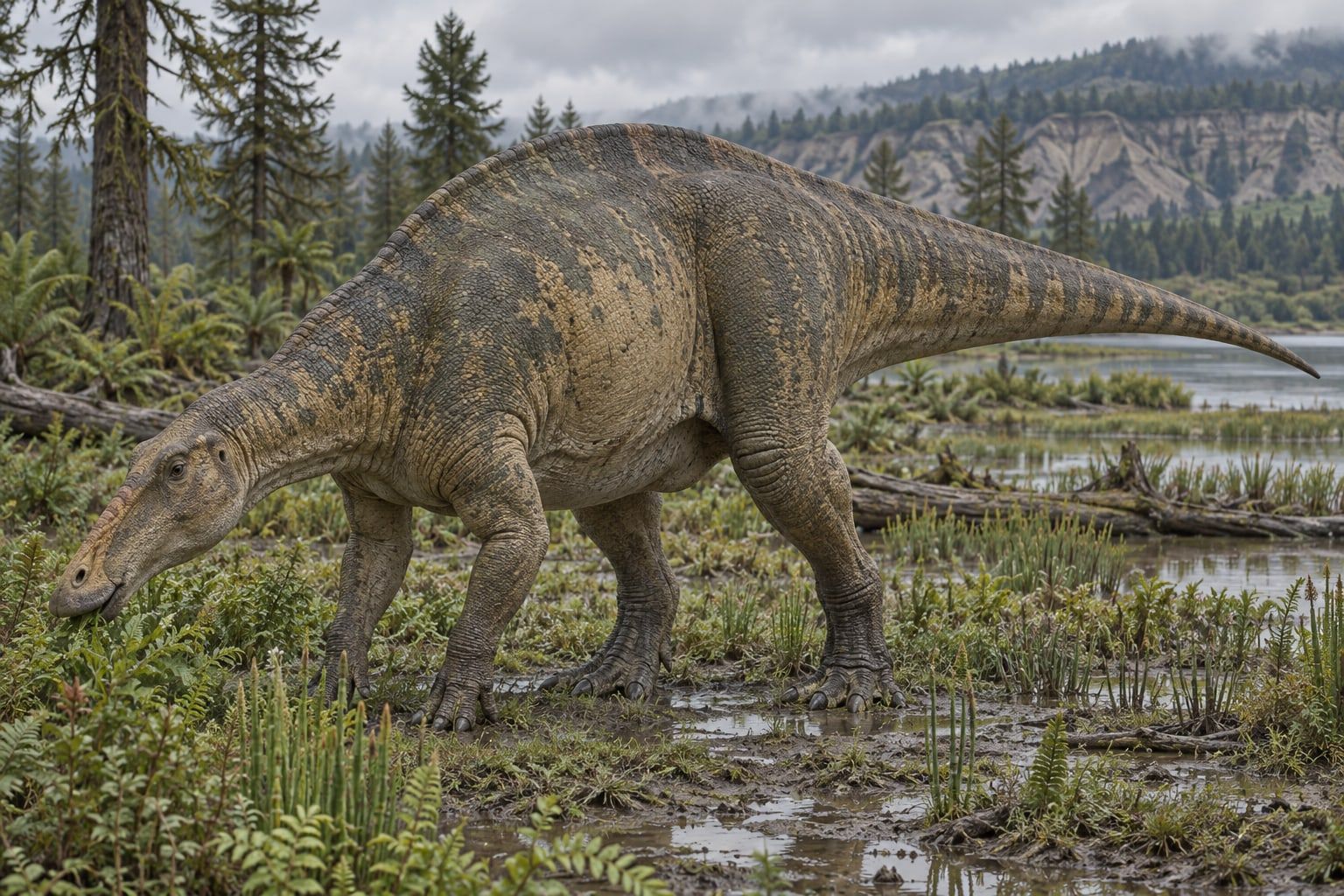
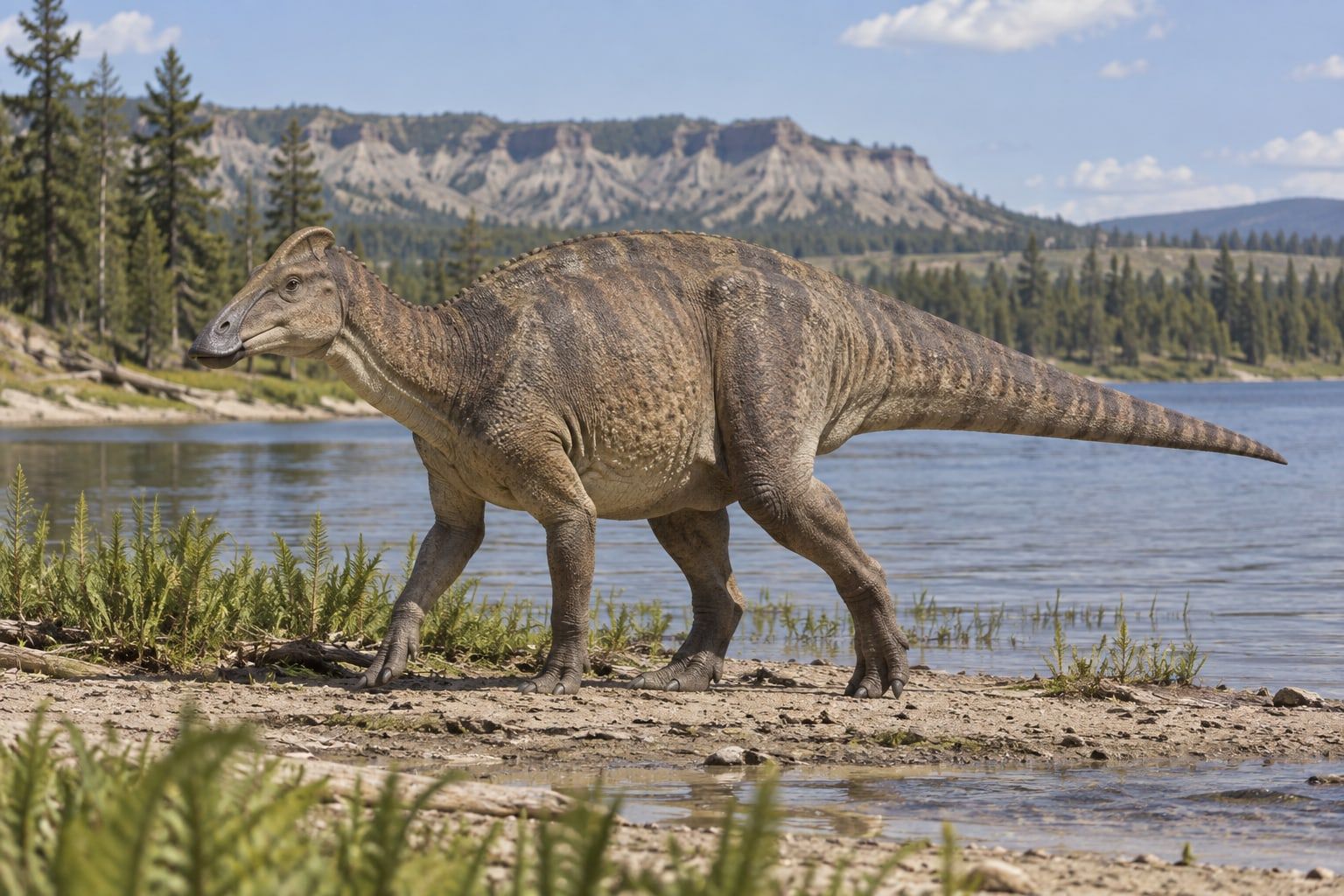
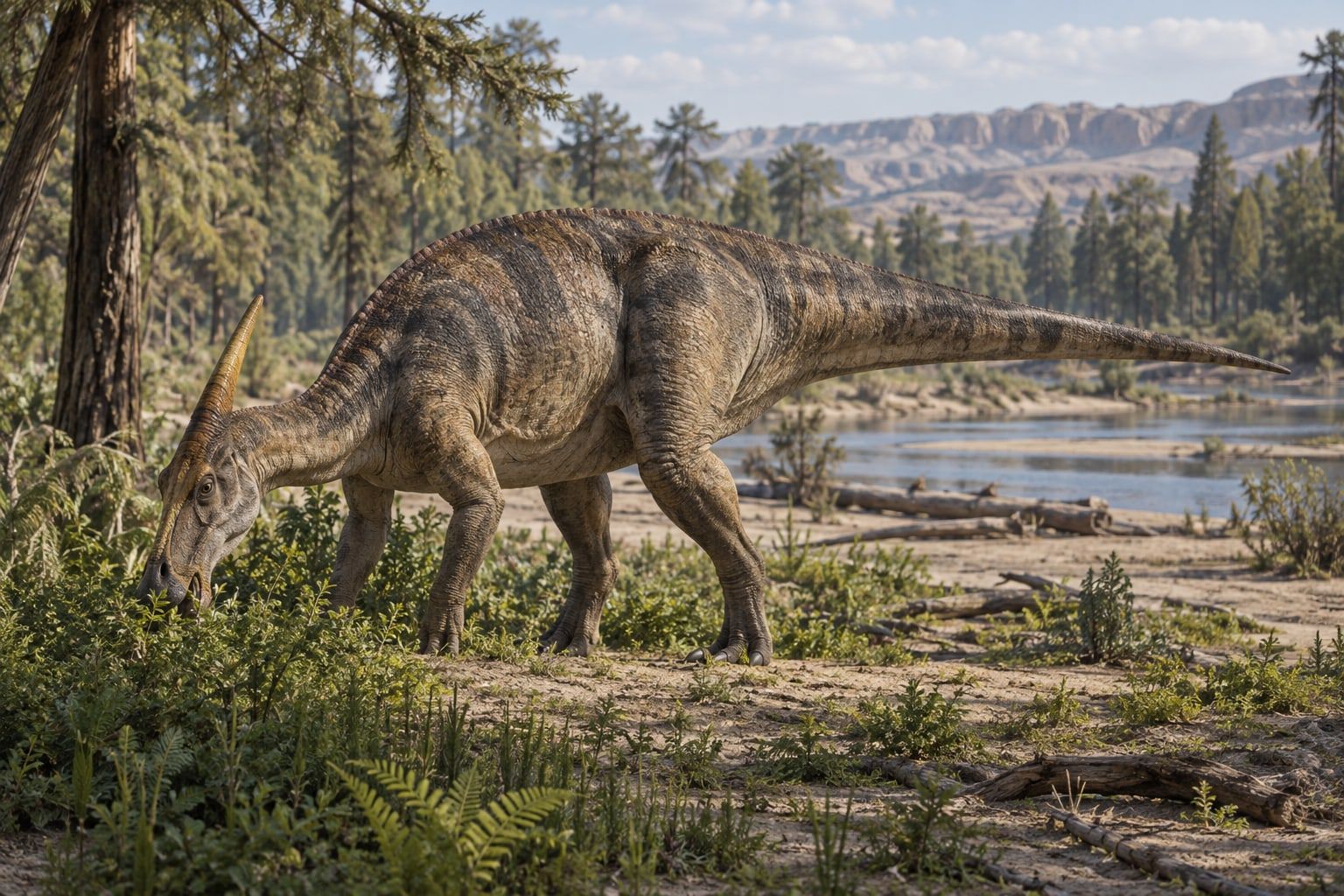
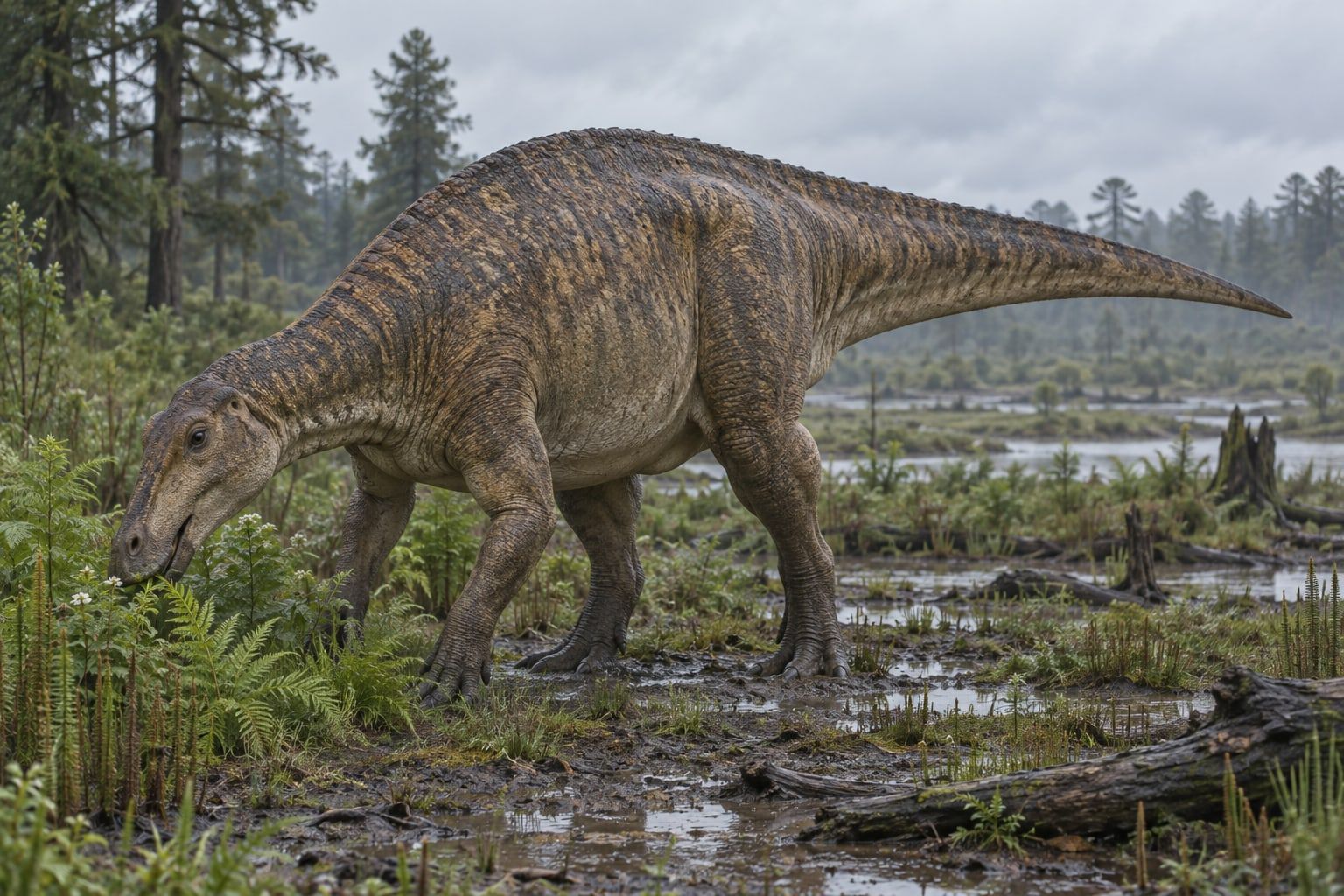
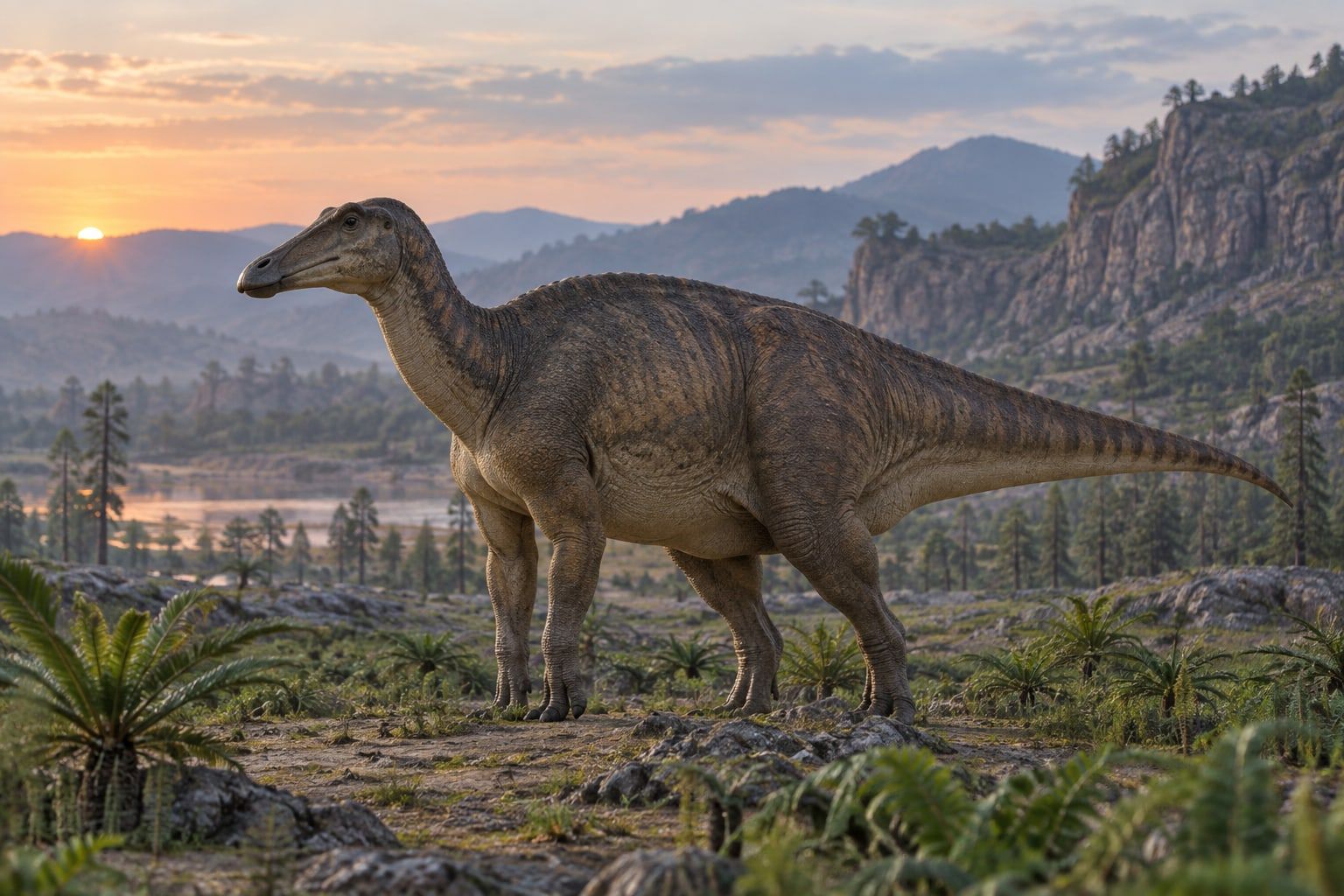
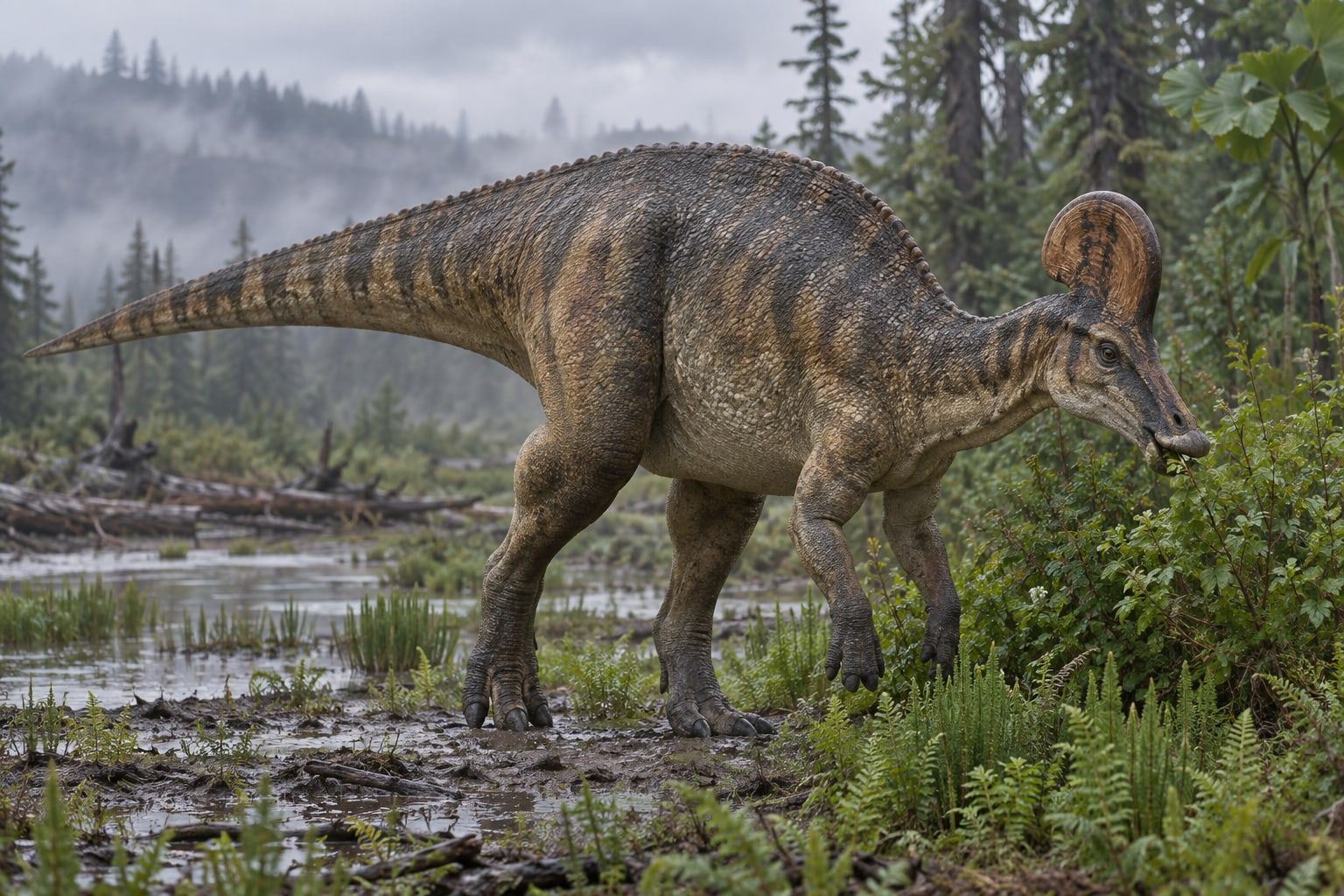
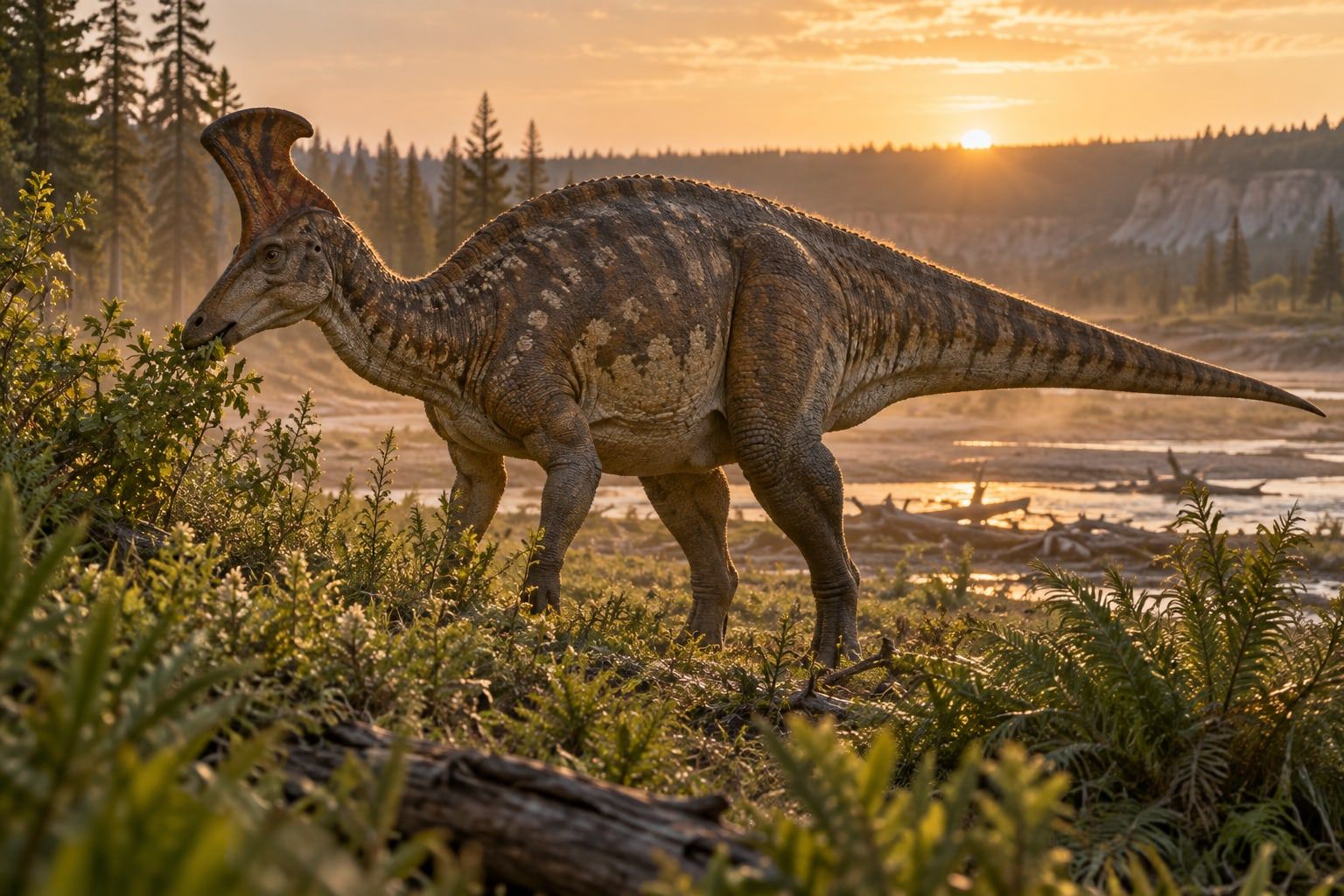
Canardia was a crested duck-billed plant eater, a relative of Corythosaurus and Parasaurolophus. It is known from parts of the skull and skeleton.
Its world
It lived about 72 to 66 million years ago, at the end of the Late Cretaceous, in what is now southern France. Europe was then a chain of islands, and Canardia was among the last duckbills there.
How it was found
Prieto-Marquez and colleagues named it in 2013.
Close relatives
Other members of Hadrosauridae
Sources: WikidataNamed in: A. Prieto-Marquez, F. M. D. Vecchia, and R. Gaete, A. Galobart. 2013. Diversity, relationships, and biogeography of the lambeosaurine dinosaurs from the European archipelago, with description of the new aralosaurin Canardia garonnensis. PLoS One 8(7):e69835:1-44