Vitakrisaurus
"Vitakri lizard"
- Lived
- 72 to 66 million years ago, Late Cretaceous
- Diet
- Carnivore
- Group
- Theropods, Vitakrisauridae
- Found in
- Pakistan
- Named by
- Malkani 2010
Where its fossils were found
The evidence
Today

70 million years ago
Habitat
A river plain where floods spread red mud across the land, in what is now Pakistan. Marisaurus, Pakisaurus and Balochisaurus are also recorded from the Vitakri Formation.
Field notes
About Vitakrisaurus
What it was like
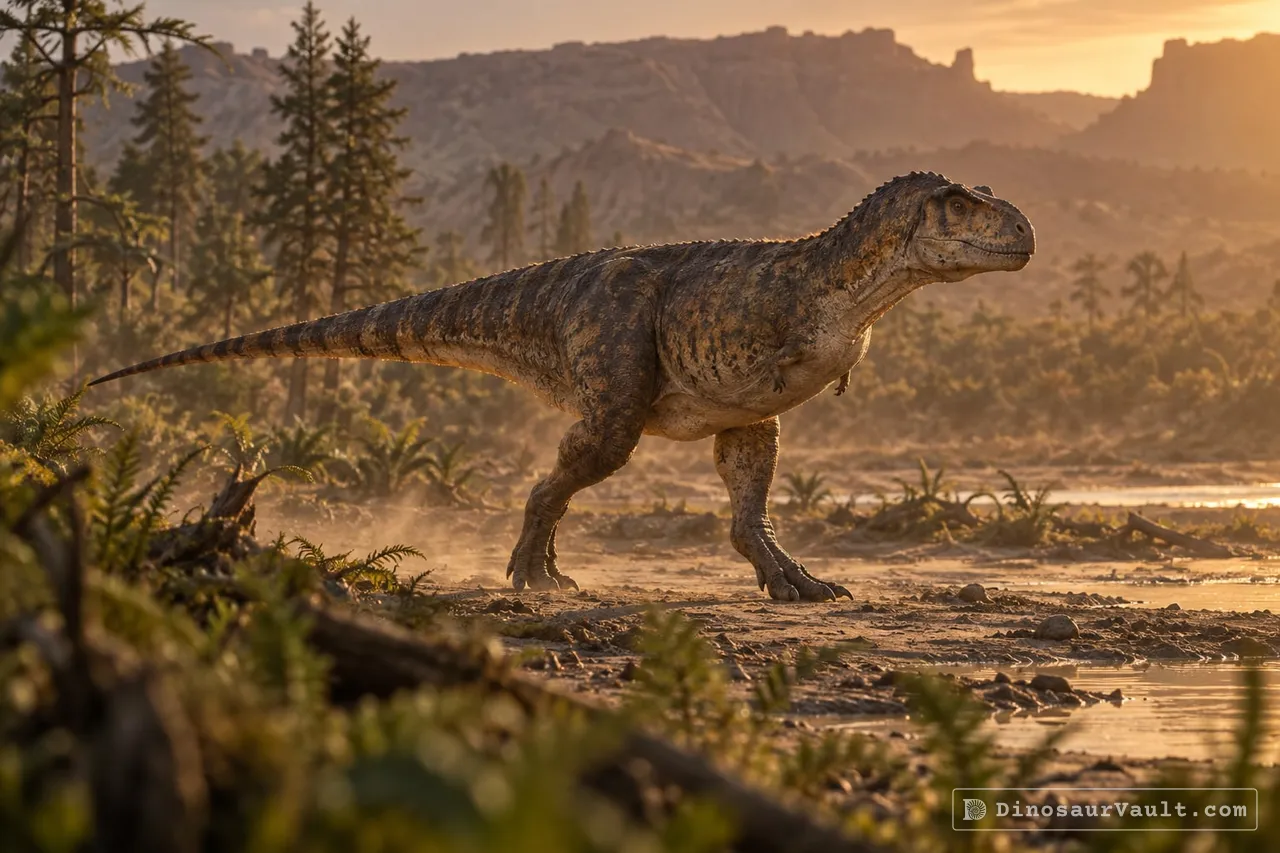
Vitakrisaurus was named as a meat eater, known from a partial hand, arm bones and tail vertebrae. Its exact place among theropods is uncertain.
The bones were found in the same area, but whether they all belong to one animal remains uncertain.
Its world
It lived about 72 to 66 million years ago, at the end of the Late Cretaceous, in what is now Pakistan. Its bones come from the Vitakri Formation.
How it was found
Malkani named Vitakrisaurus in 2010.
Field gallery
More views of Vitakrisaurus
Scenes reconstructed from the available fossil evidence.
1 of 3
Lived alongside
Found in the same rock formations
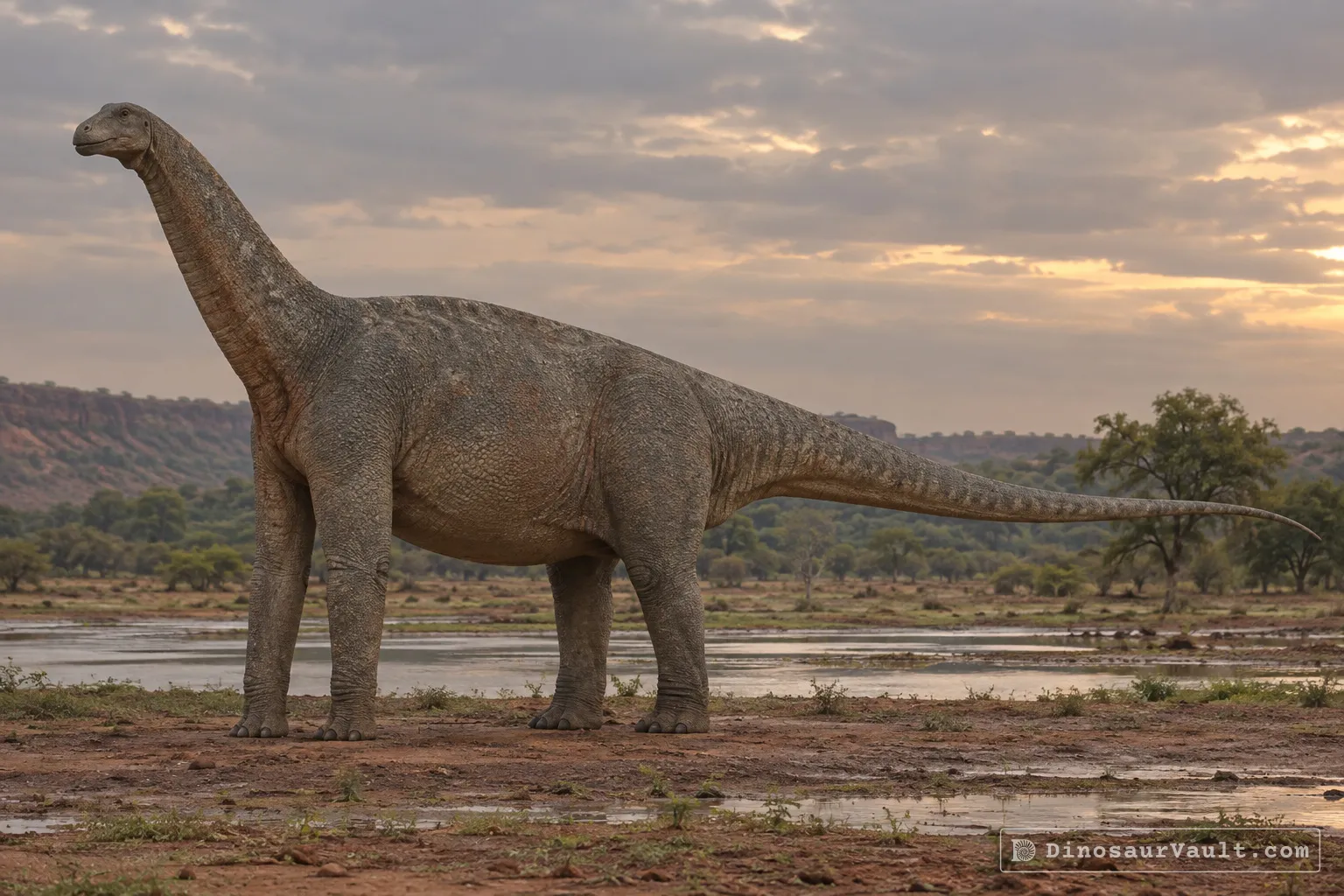
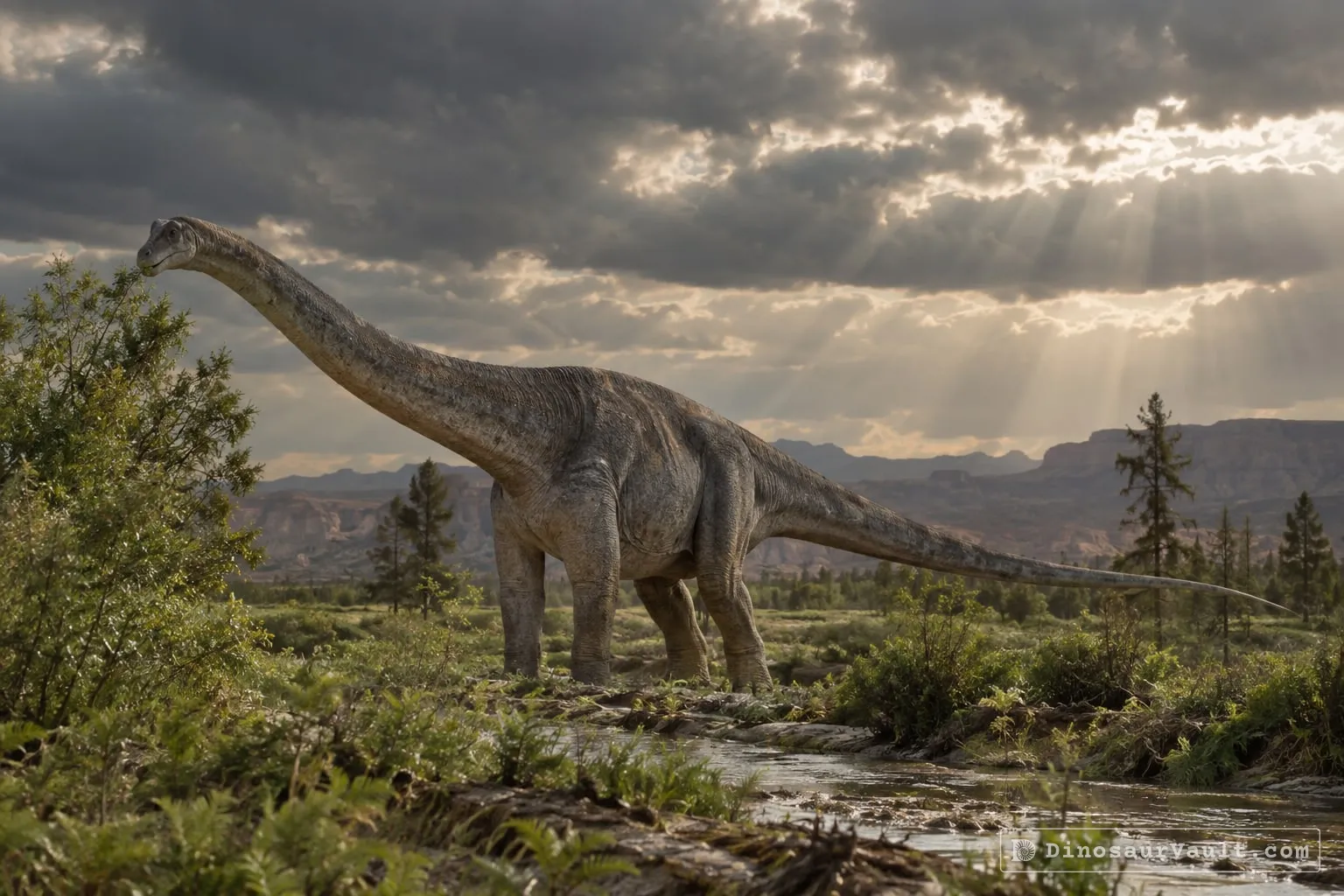
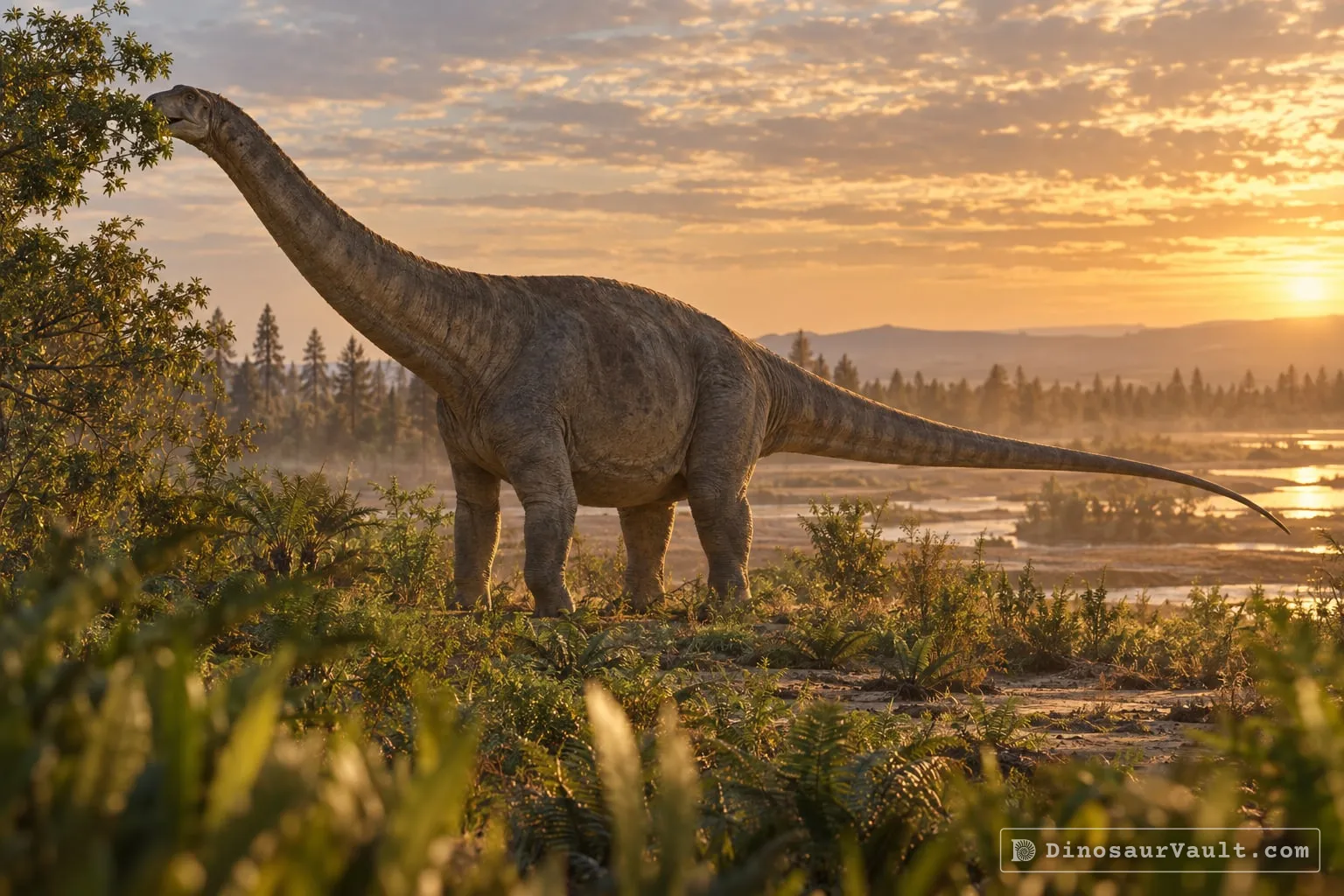
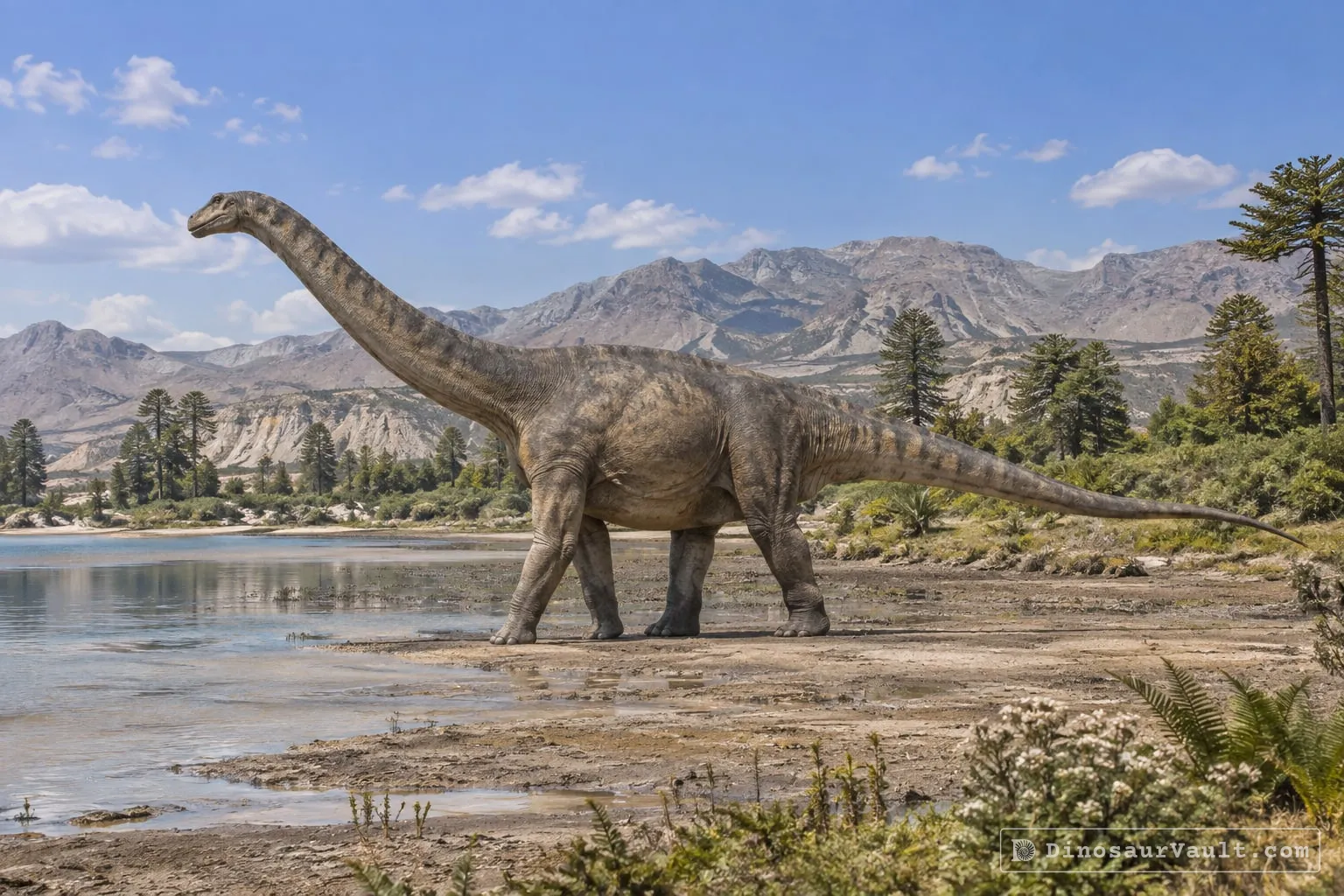
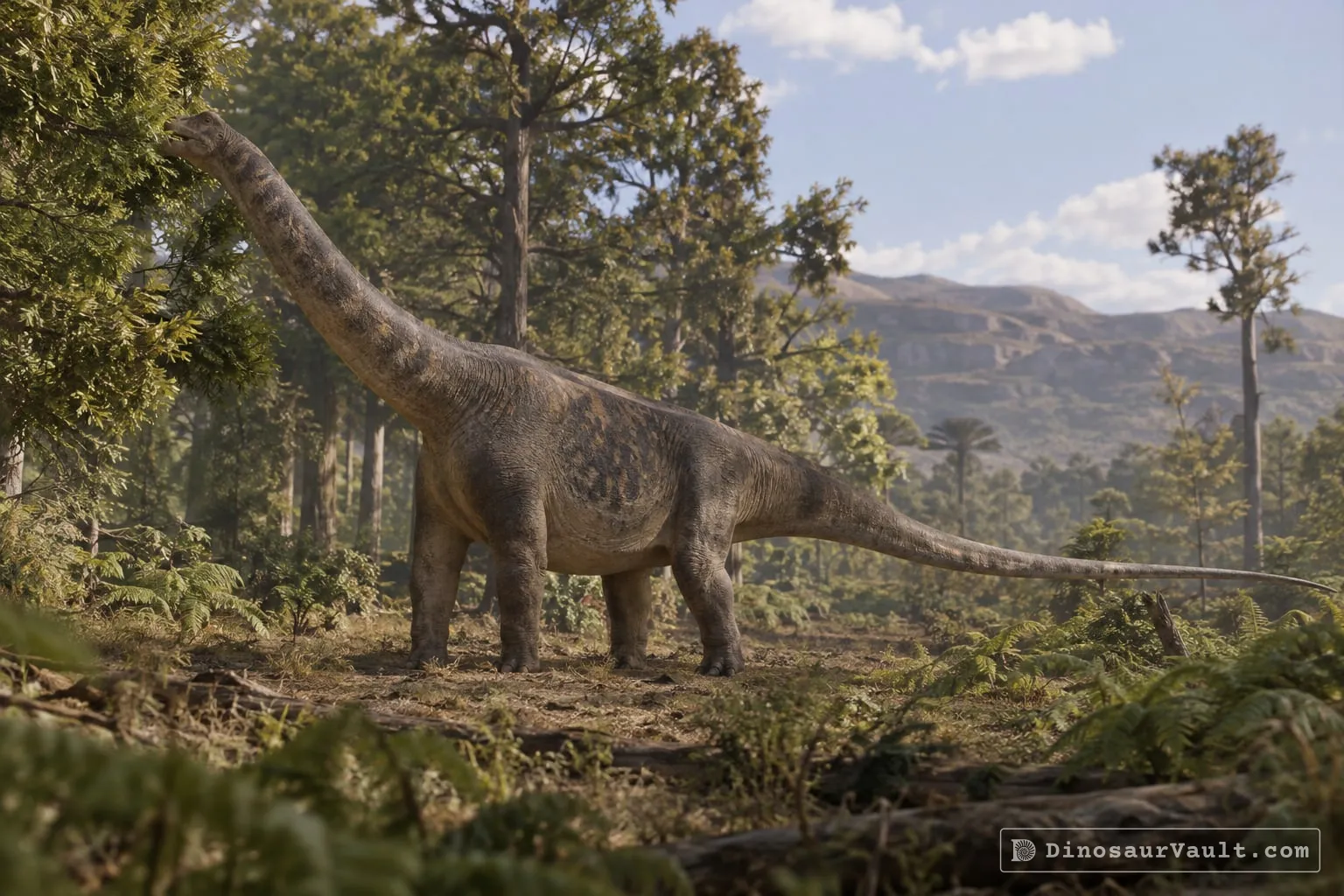
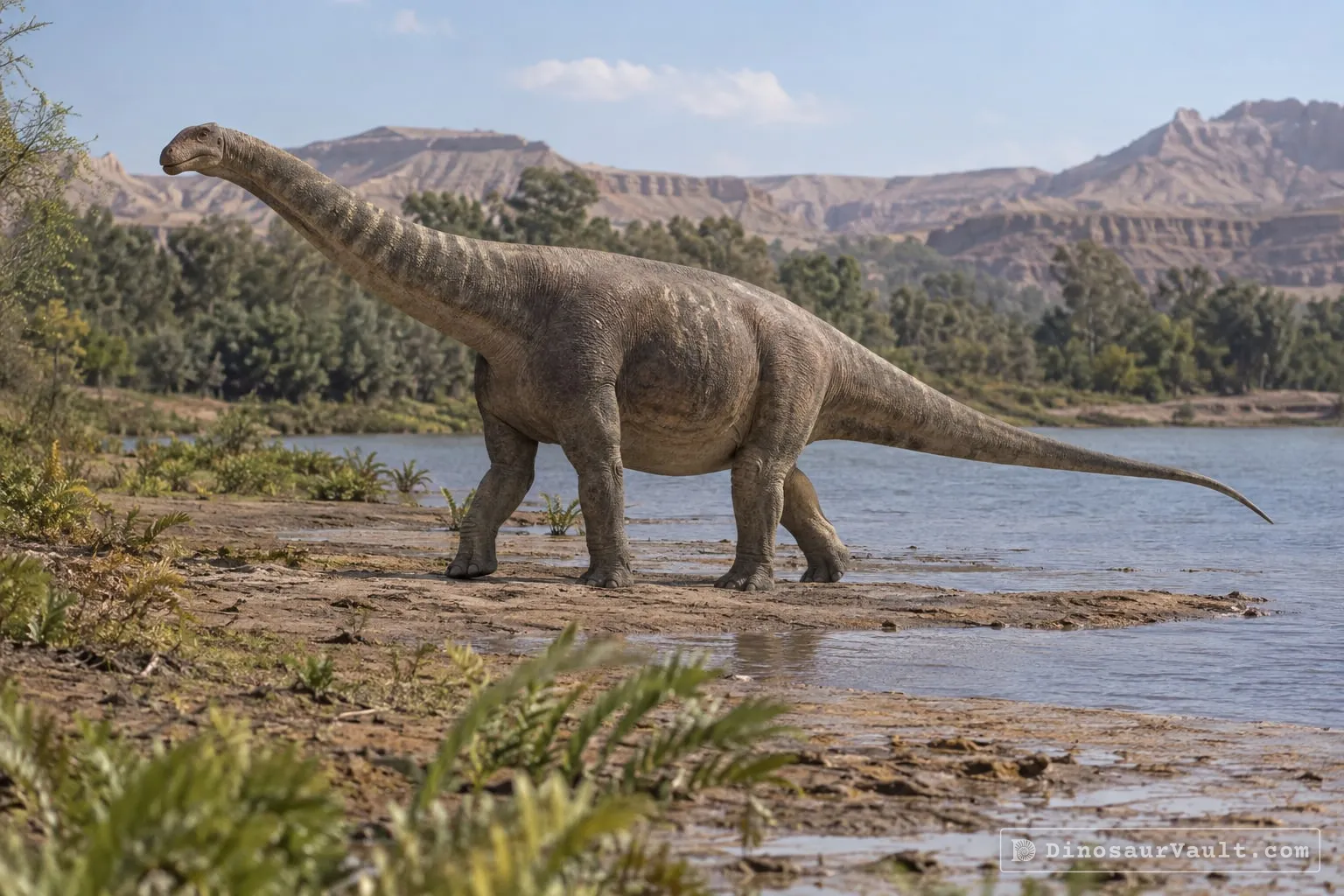
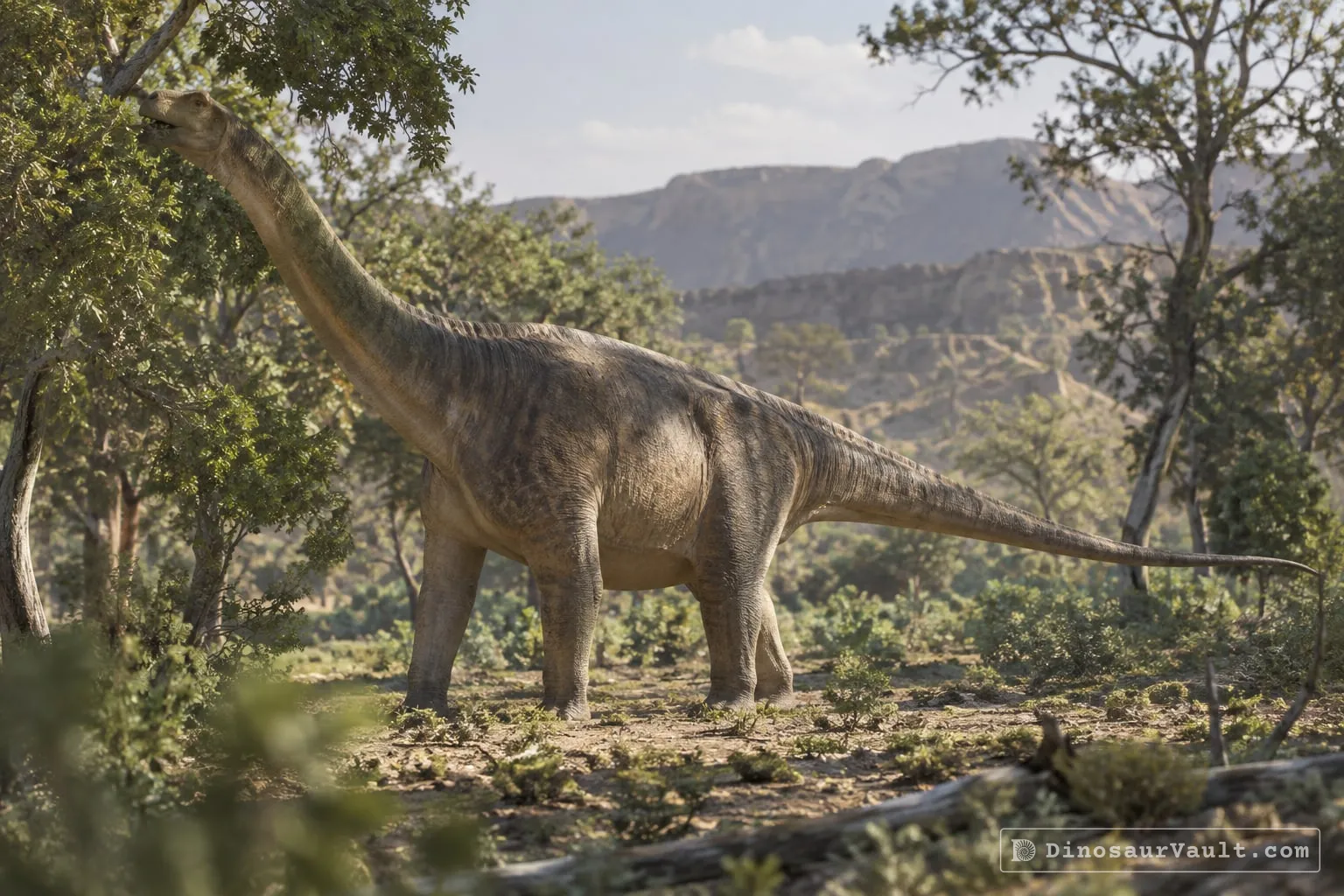
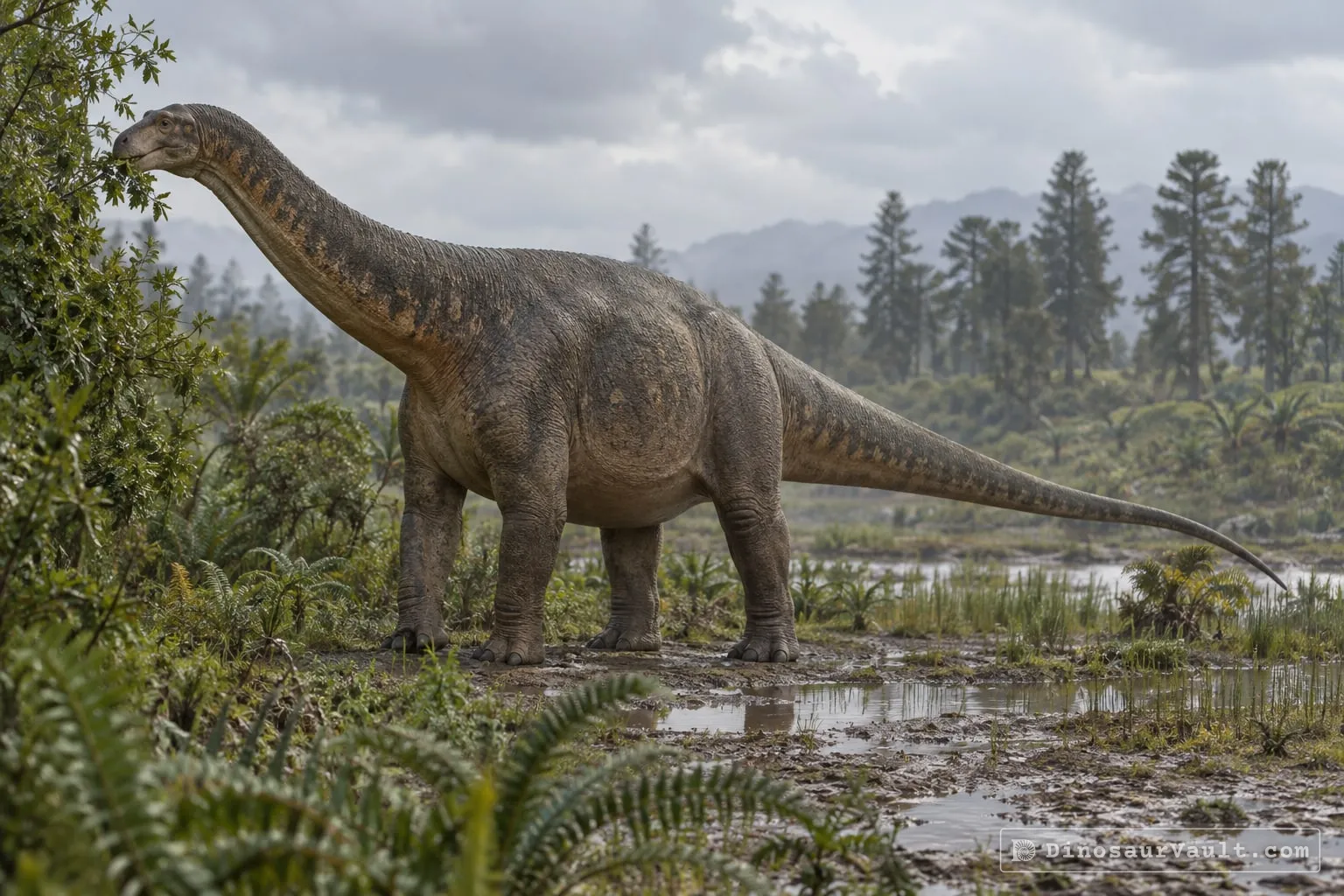


A rock formation can hold fossils laid down millions of years apart, so not every animal here met Vitakrisaurus.
The evidence
The science behind Vitakrisaurus
Which parts of the picture come from its own bones, and which come from its relatives.
From its own fossils
- The type includes an articulated set of digits with a curved claw, described as a right hand and partly preserved only as impressions in the rock. The middle digit is the longest and strongest, and the first is short and thick with a slightly down-curved claw.
- Its tail vertebrae are hollow at both ends, pinched in at the middle and have no ridge along their underside.
- The type also includes pieces of arm bone exposed in cross section.
Borrowed from relatives
- Comparisons with Vitakridrinda and Rajasaurus suggest it was an abelisauroid, but its head, neck, body and legs are restored only in general terms, by comparison with a well-known meat eater such as Allosaurus.
Still unknown
- Whether the limb fragment belongs to a hand or a foot.
- Whether the scattered bones all belong to the same kind of dinosaur.
- Its complete body shape and its exact place among theropods.
Discovery timeline
- 2010Named itMalkani
- 2019Full descriptionMalkani
- 2020RedescriptionMalkani
- 2021RedescriptionMalkani
- 2021Full descriptionMalkani
- 2025RedescriptionMalkani
Key papers
The research behind what we know of Vitakrisaurus
Named it
Introduced Vitakrisaurus among the dinosaurs recorded from the Vitakri Formation of Pakistan.
Updated stratigraphy and mineral potential of Sulaiman Basin, Pakistan. Sindh University Research Journal (Science Series) 42: 39-66
No link available
Full description
Described the limb fragment as a hand and compared the assigned back and tail bones with other abelisauroids.
<i>Vitakrisaurus saraiki</i> Theropod from South Asia. Open Journal of Geology 09: 643-645
Read the paper : <i>Vitakrisaurus saraiki</i> Theropod from South Asia (opens in a new tab)Redescription
Described the tail vertebrae, arm bone cross sections and partly impressed hand of Vitakrisaurus in detail.
Theropods, Mesoeucrocodiles and Pterosaurs Found from the Latest Maastrichtian Vitakri Formation of Balochistan, Pakistan; Description with Large Photographs and Comparison with Coeval Taxa from Indo-Pakistan Subcontinent. Open Journal of Geology 10: 510-551
Read the paper : Theropods, Mesoeucrocodiles and Pterosaurs Found from the Latest Maastrichtian Vitakri Formation of Balochistan, Pakistan; Description with Large Photographs and Comparison with Coeval Taxa from Indo-Pakistan Subcontinent (opens in a new tab)Redescription
Reviewed the descriptions of Vitakrisaurus and Vitakridrinda among the fossil animals of Pakistan.
Formal Description of Mesozoic and Cenozoic Biotas Found from Pakistan. Open Journal of Geology 11: 411-455
Read the paper : Formal Description of Mesozoic and Cenozoic Biotas Found from Pakistan (opens in a new tab)Full description
Formally listed its type: a right hand, arm bone pieces and tail vertebrae from one site, grouped by matching size and no repeated bones.
Jurassic-Cretaceous and Cretaceous-Paleogene Transitions and Mesozoic Vertebrates from Pakistan. Open Journal of Geology 11: 275-318
Read the paper : Jurassic-Cretaceous and Cretaceous-Paleogene Transitions and Mesozoic Vertebrates from Pakistan (opens in a new tab)Redescription
Kept the tail and hand features of Vitakrisaurus and moved a jaw and a back vertebra once assigned to it to another theropod.
Theropods, Ornithischians and Pterosaurs from South Asia-Review with New Taxa: A Look at Paleontology, Stratigraphy and Mineral Potential of Pakistan. Open Journal of Geology 15: 22-68
Read the paper : Theropods, Ornithischians and Pterosaurs from South Asia-Review with New Taxa: A Look at Paleontology, Stratigraphy and Mineral Potential of Pakistan (opens in a new tab)
Close relatives
Other members of Vitakrisauridae

Sources: Wikidata