Gspsaurus
- Lived
- 72 to 66 million years ago, Late Cretaceous
- Diet
- Herbivore
- Group
- Sauropods, Gspsauridae
- Found in
- Pakistan
- Named by
- Malkani 2014
Where its fossils were found
The evidence
Today

70 million years ago
Habitat
Red mud and sandstone record river deposits in what is now Pakistan. Pakisaurus, Balochisaurus and Vitakrisaurus are also reported from the Vitakri Formation.
Field notes
About Gspsaurus
What it was like
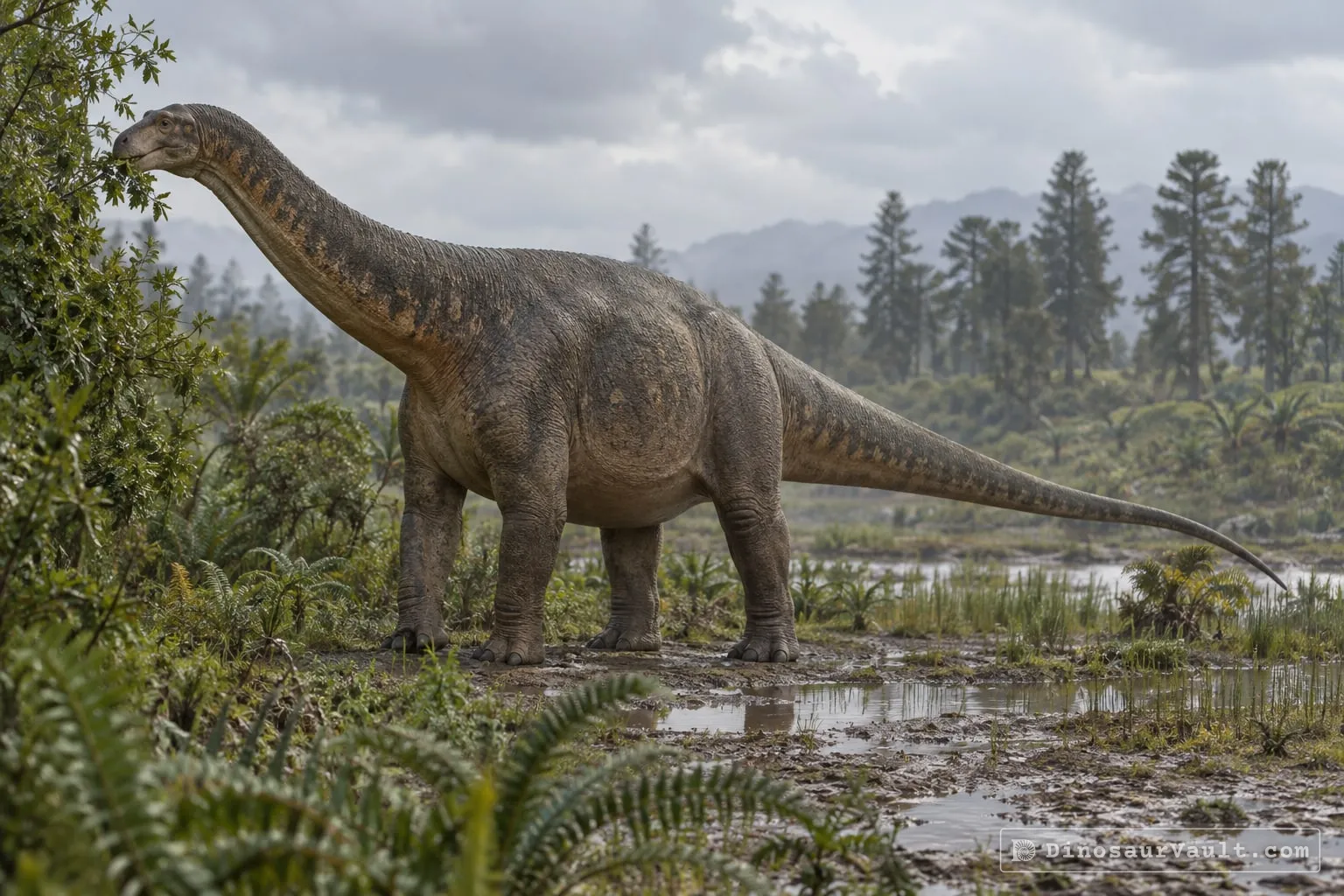
Gspsaurus was named as a titanosaur, a long-necked, four-legged plant eater. It is known from a few scattered bones.
Many scientists doubt it is a separate genus, because the bones are so incomplete.
Its world
It lived about 72 to 66 million years ago, at the end of the Late Cretaceous, in what is now Pakistan. Its bones come from the Vitakri Formation.
How it was found
Malkani named Gspsaurus in 2014. The name honors the geological survey of the country.
Field gallery
More views of Gspsaurus
Scenes reconstructed from the available fossil evidence.
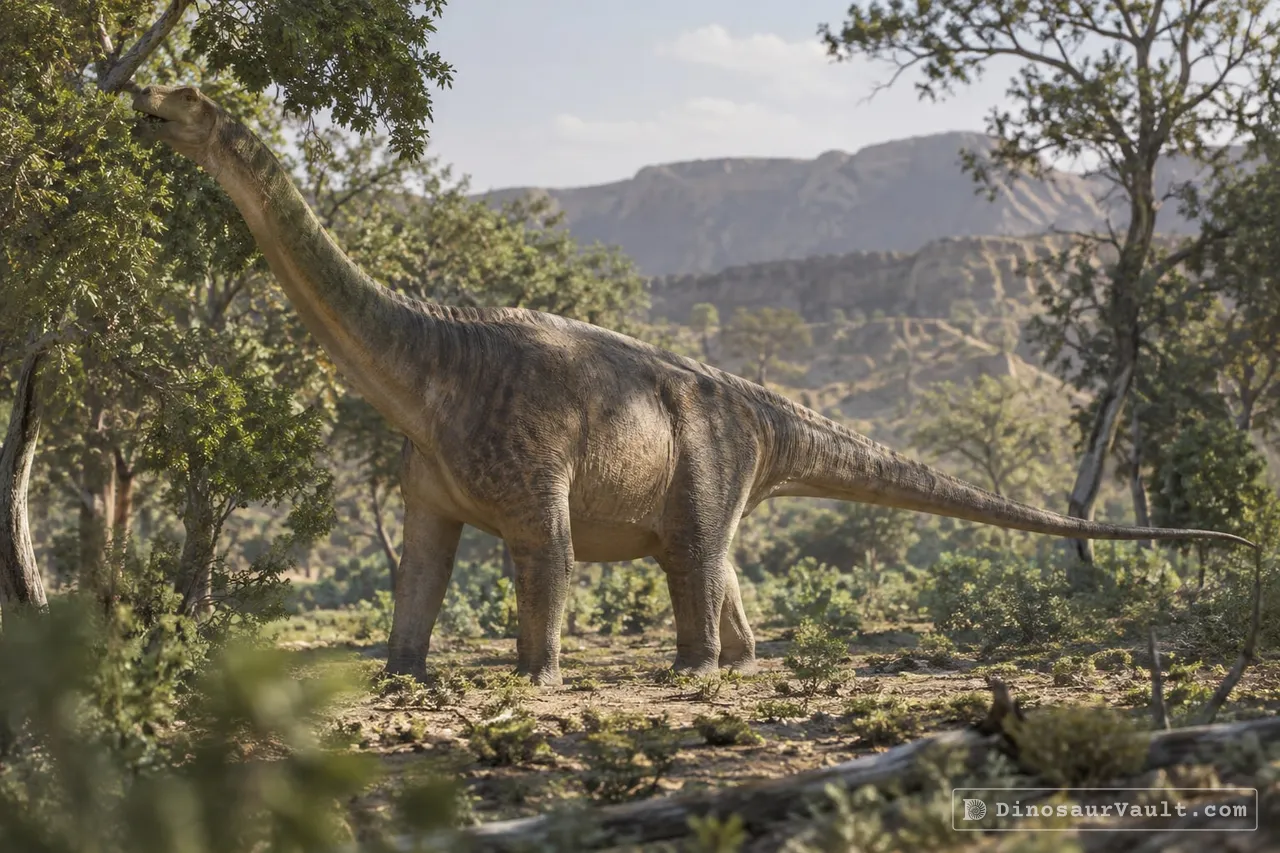
1 of 2
Lived alongside
Found in the same rock formations
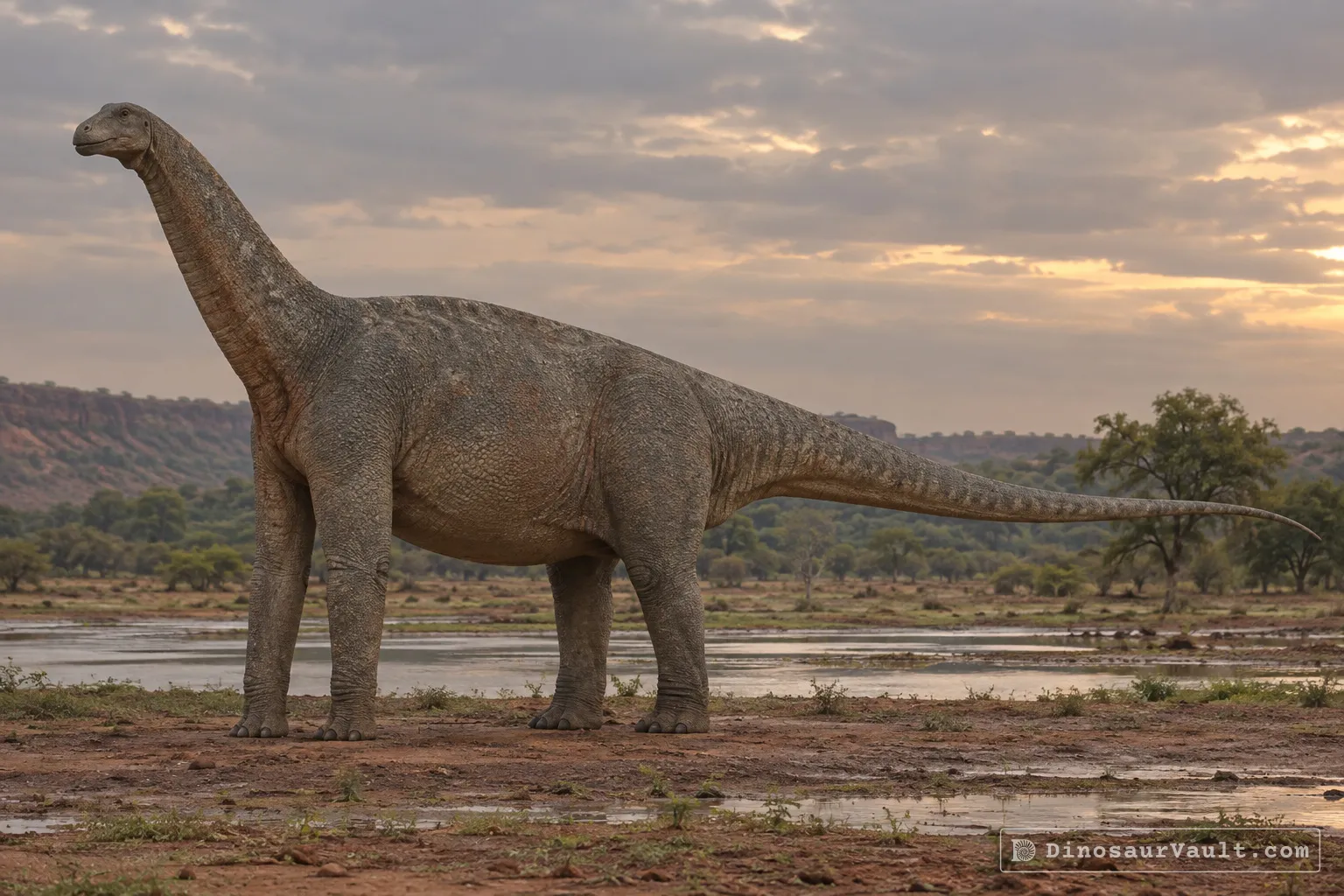
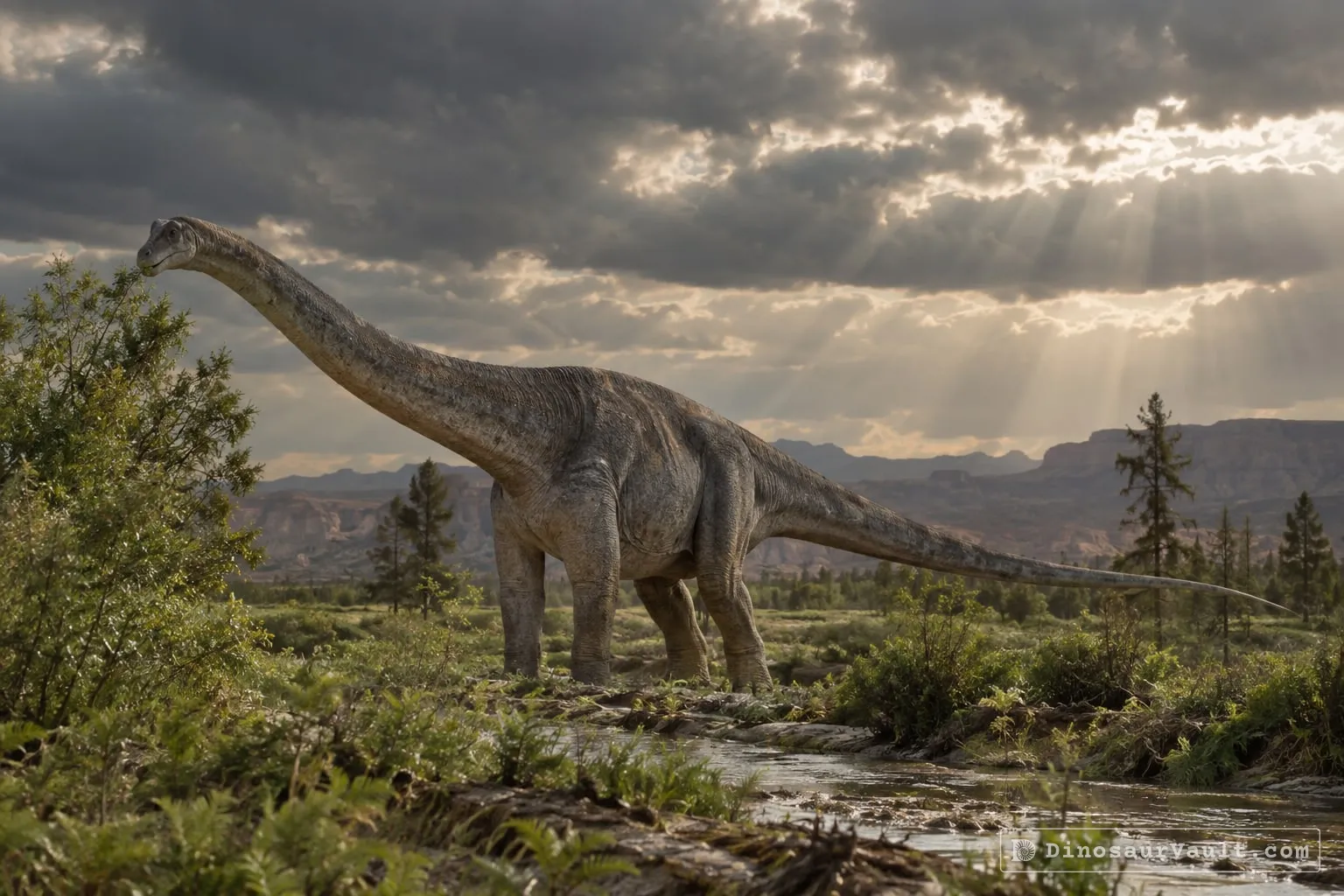
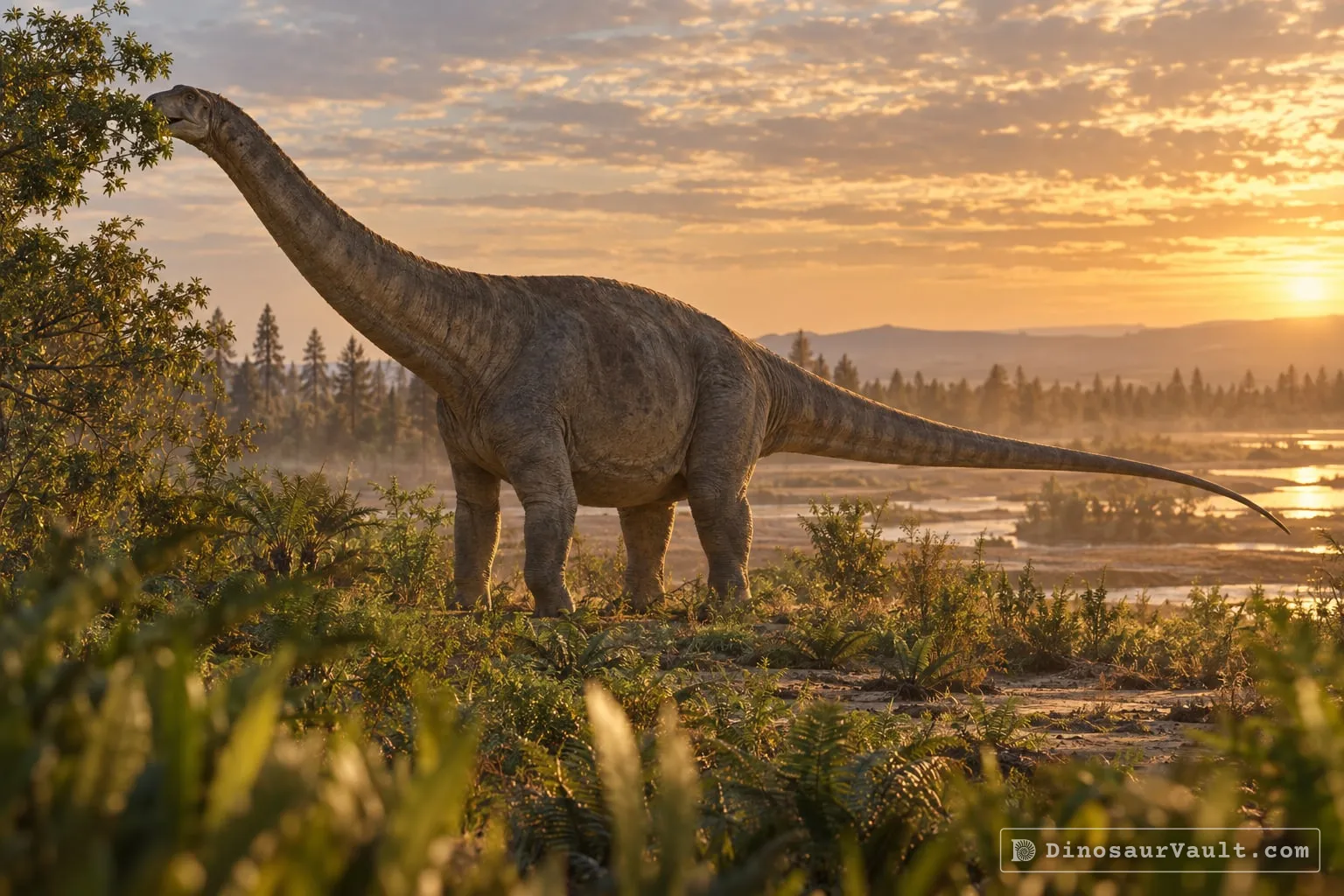
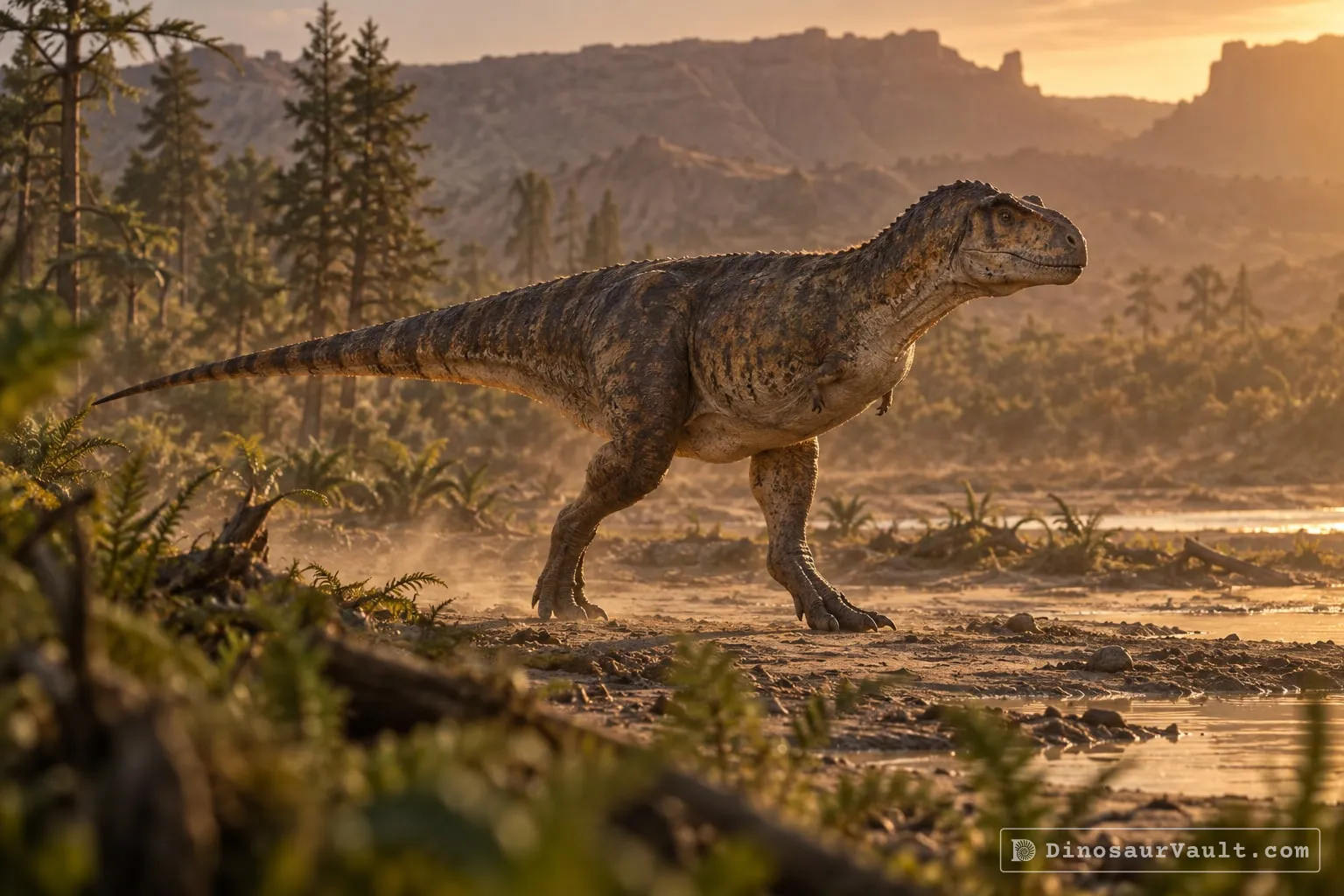
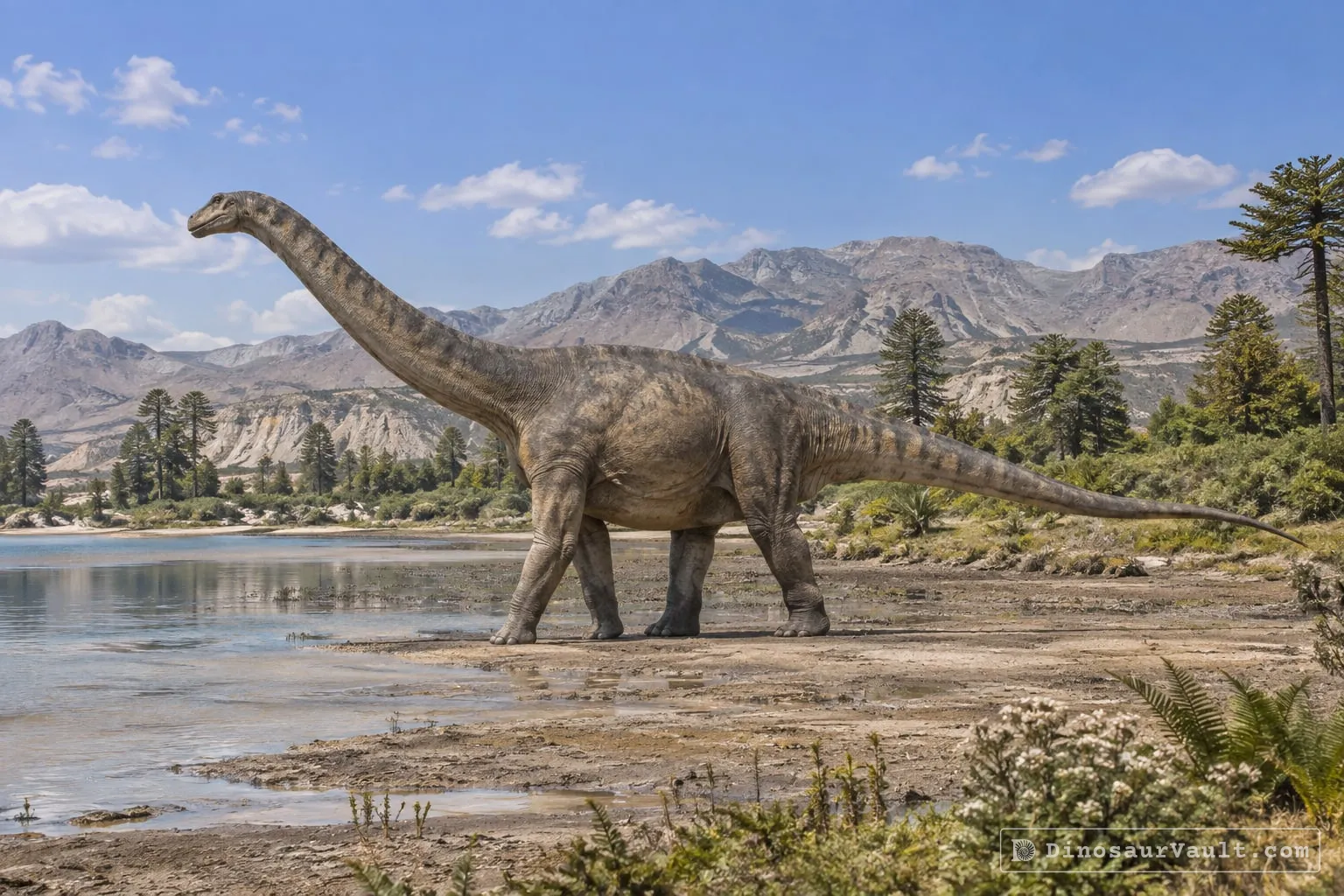
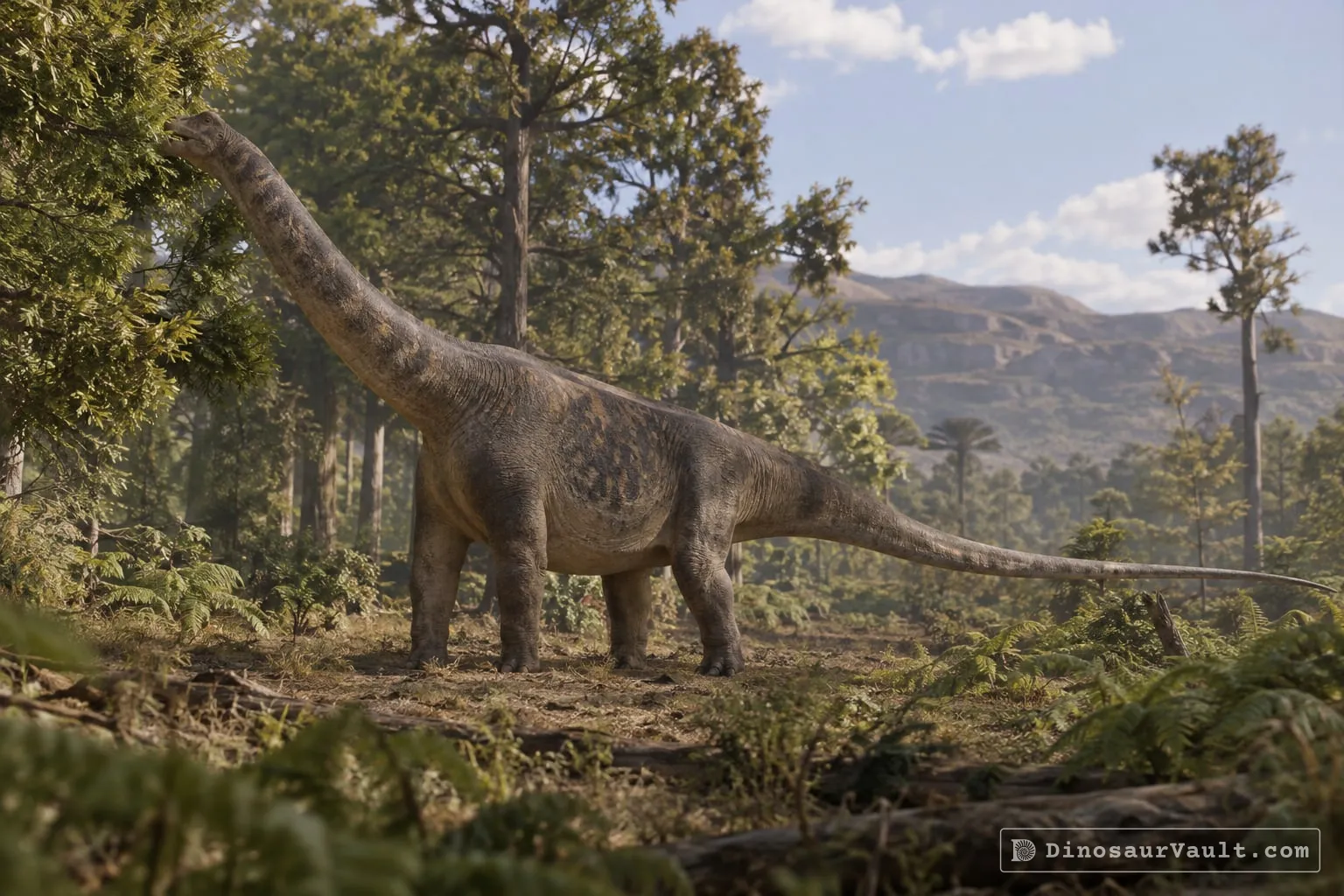
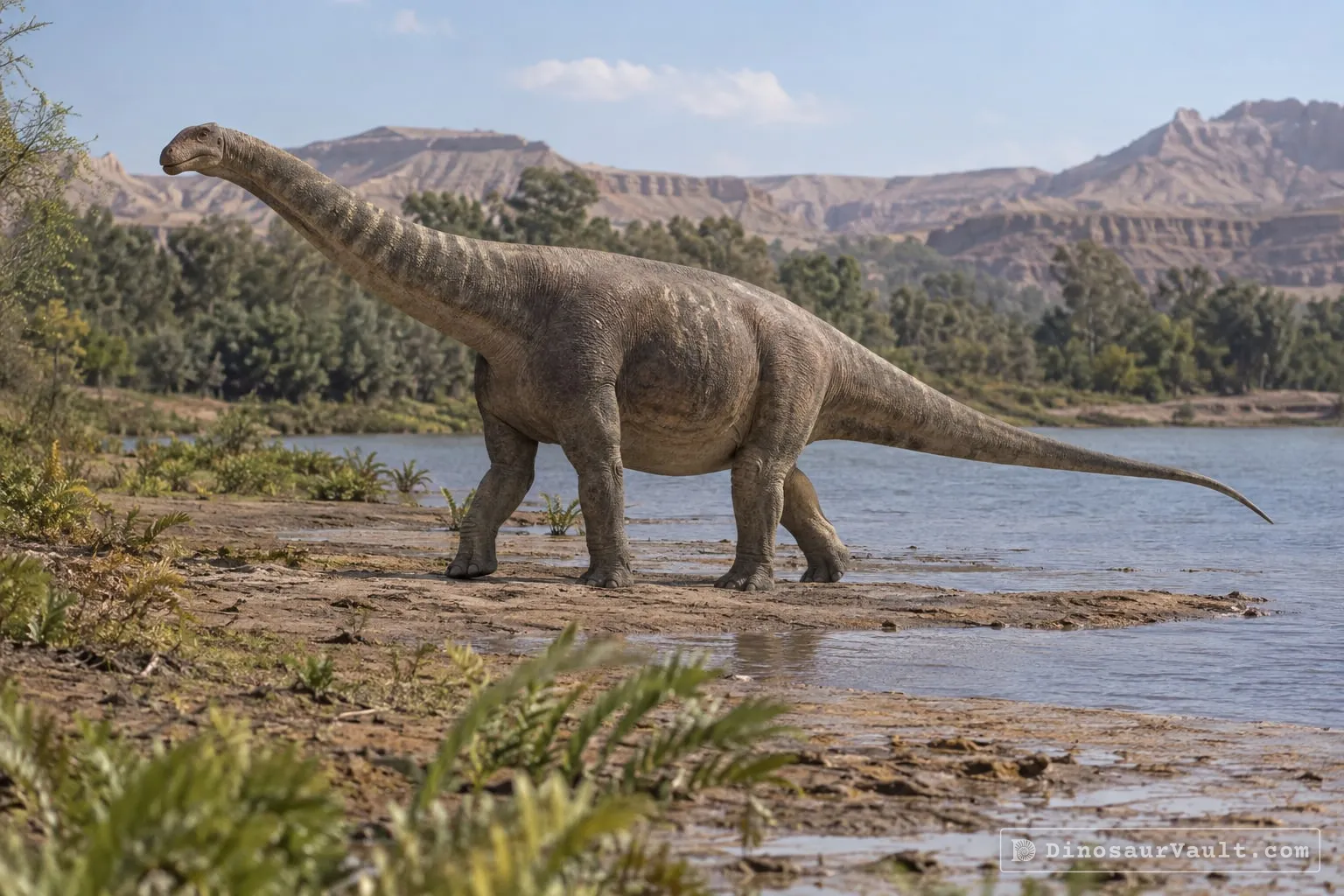


A rock formation can hold fossils laid down millions of years apart, so not every animal here met Gspsaurus.
The evidence
The science behind Gspsaurus
Which parts of the picture come from its own bones, and which come from its relatives.
From its own fossils
- The type specimen centers on partial upper and lower jaws, still fitted together, with slender teeth that taper toward their tips.
- Seen from above, the two halves of the lower jaw meet at the front at an angle, like a letter v, while the upper tooth row curves in a broader u, and a low, narrow ridge runs along the middle of the snout tip.
- A later formal description added a braincase and neck, back and limb bones to the type, found some distance from the jaws in different rock.
Borrowed from relatives
- A long neck, heavy body and weight-bearing legs follow comparisons with other titanosaurs, such as Isisaurus.
- The missing top of the head and eye region can be filled in from better-known titanosaur skulls such as that of Tapuiasaurus.
Still unknown
- Whether the jaws, braincase, body bones and finds referred from other sites all belong to it; one earlier referral was later withdrawn.
- Whether it is distinct from other named titanosaurs.
- Its complete body shape and skin covering.
Discovery timeline
- 2014Named itMalkani
- 2020SkullMalkani
- 2021Full descriptionMalkani
- 2021Fossil sitesMalkani
- 2025Fossil sitesMalkani
Key papers
The research behind what we know of Gspsaurus
Named it
Introduced Gspsaurus for partial jaws and teeth from Pakistan.
Titanosaurian sauropod dinosaurs from the Latest Cretaceous of Pakistan. Second International Symposium of International Geoscience Programme (IGCP) Project 608 “Cretaceous Ecosystems and Their Responses to Paleoenvironmental Changes in Asia and the Western Pacific”. Abstract Volume.
No link available
Skull
Described the fitted jaws and teeth, including the angled front of the lower jaw, and assigned additional skull, vertebral and limb material to Gspsaurus.
First Skull of Medium Sized Titanosaur in Indo-Pakistan Subcontinent Found from the Latest Maastrichtian Vitakri Formation of Pakistan; Associated Cranial and Postcranial Skeletons of <i>Gspsaurus pakistani</i> (Poripuchia, Stocky Titanosauria, Sauropoda) from Pakistan and India. Open Journal of Geology 10: 448-489
Read the paper : First Skull of Medium Sized Titanosaur in Indo-Pakistan Subcontinent Found from the Latest Maastrichtian Vitakri Formation of Pakistan; Associated Cranial and Postcranial Skeletons of <i>Gspsaurus pakistani</i> (Poripuchia, Stocky Titanosauria, Sauropoda) from Pakistan and India (opens in a new tab)Full description
Gave a formal description and diagnosis, adding a braincase and body bones to the type and arguing they came from one animal.
Jurassic-Cretaceous and Cretaceous-Paleogene Transitions and Mesozoic Vertebrates from Pakistan. Open Journal of Geology 11: 275-318
Read the paper : Jurassic-Cretaceous and Cretaceous-Paleogene Transitions and Mesozoic Vertebrates from Pakistan (opens in a new tab)Fossil sites
Listed bones referred to Gspsaurus from several sites separately, noting that one shin bone referral still needed confirmation.
Formal Description of Mesozoic and Cenozoic Biotas Found from Pakistan. Open Journal of Geology 11: 411-455
Read the paper : Formal Description of Mesozoic and Cenozoic Biotas Found from Pakistan (opens in a new tab)Fossil sites
Updated the list of bones assigned to Gspsaurus, counting several individuals across the type and referred finds.
Geology and Mineral Resources of Some Districts of Pakistan: Recent Found Paleontological Sites and New Titanosaur from Pakistan and First Diplodocid Dinosaur from Indo-Pakistan and Asia. Open Journal of Geology 15: 671-715
Read the paper : Geology and Mineral Resources of Some Districts of Pakistan: Recent Found Paleontological Sites and New Titanosaur from Pakistan and First Diplodocid Dinosaur from Indo-Pakistan and Asia (opens in a new tab)
Close relatives
Other members of Gspsauridae

Sources: Wikidata