Saraikimasoom
- Lived
- 72 to 66 million years ago, Late Cretaceous
- Diet
- Herbivore
- Group
- Sauropods, Gspsauridae
- Found in
- Pakistan
- Named by
- Malkani 2014
Where its fossils were found
The evidence
Today

70 million years ago
Habitat
Rivers crossed the muddy plains preserved in the Vitakri Formation of Pakistan. Other dinosaurs reported from these rocks include Isisaurus, Pakisaurus and Vitakrisaurus.
Field notes
About Saraikimasoom
What it was like
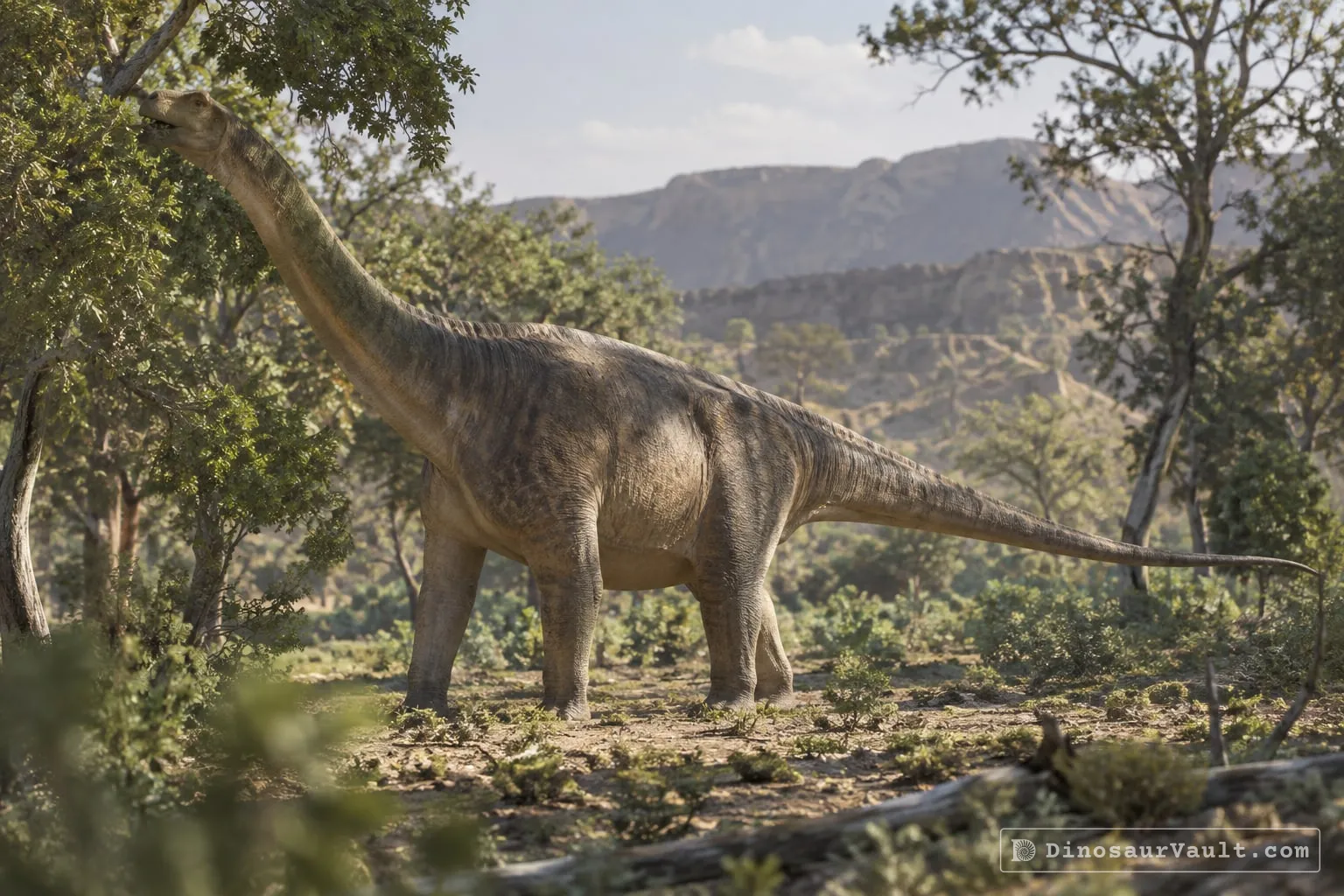
Saraikimasoom was described as a titanosaur, a long-necked plant eater. It is known from scattered bones.
Its world
It lived about 72 to 66 million years ago, near the end of the Cretaceous, in what is now Pakistan. It comes from the Vitakri Formation.
How it was found
Malkani named Saraikimasoom in 2014. Many other paleontologists think the bones are too scrappy to define a genus, so the name is often treated as doubtful.
Field gallery
More views of Saraikimasoom
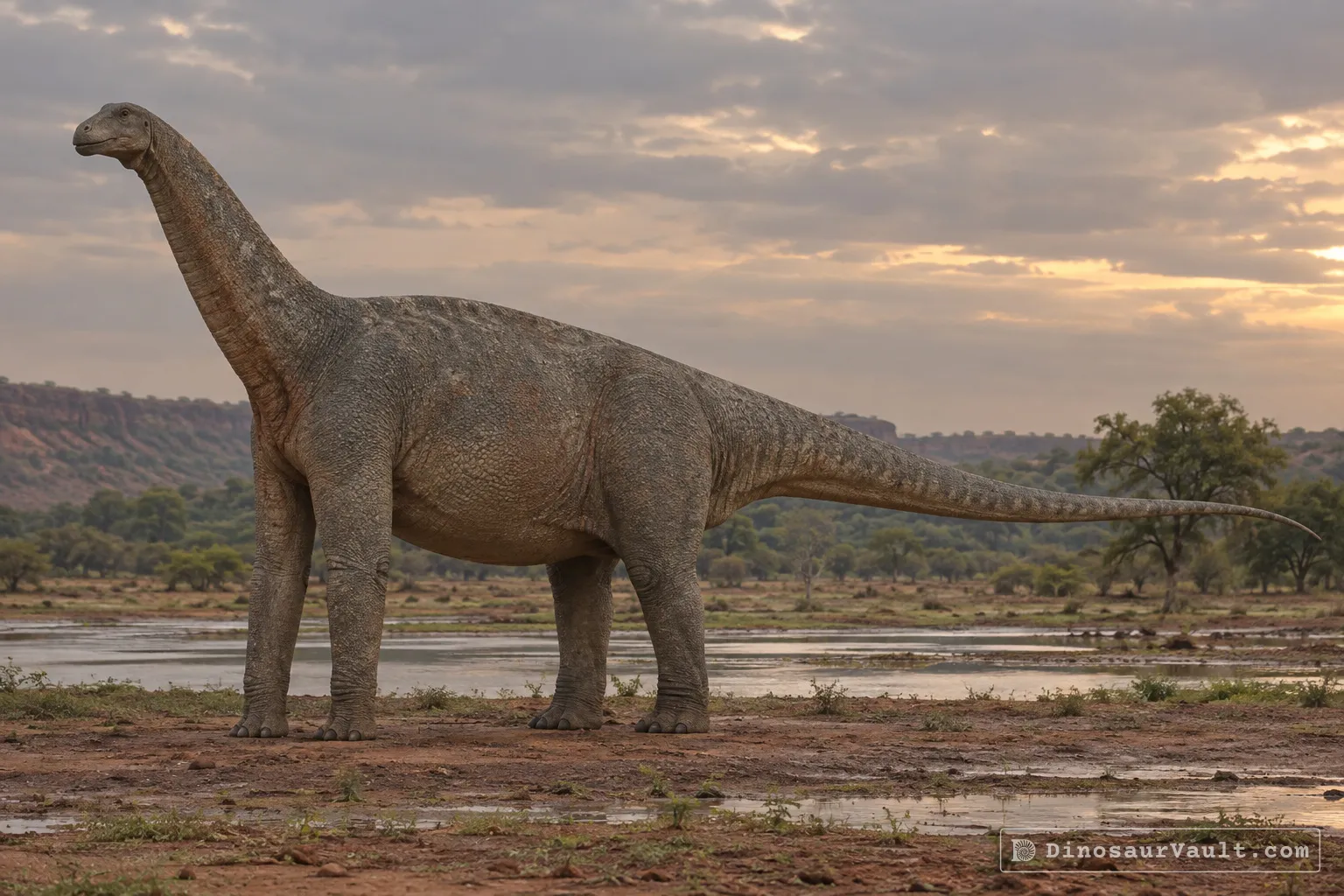
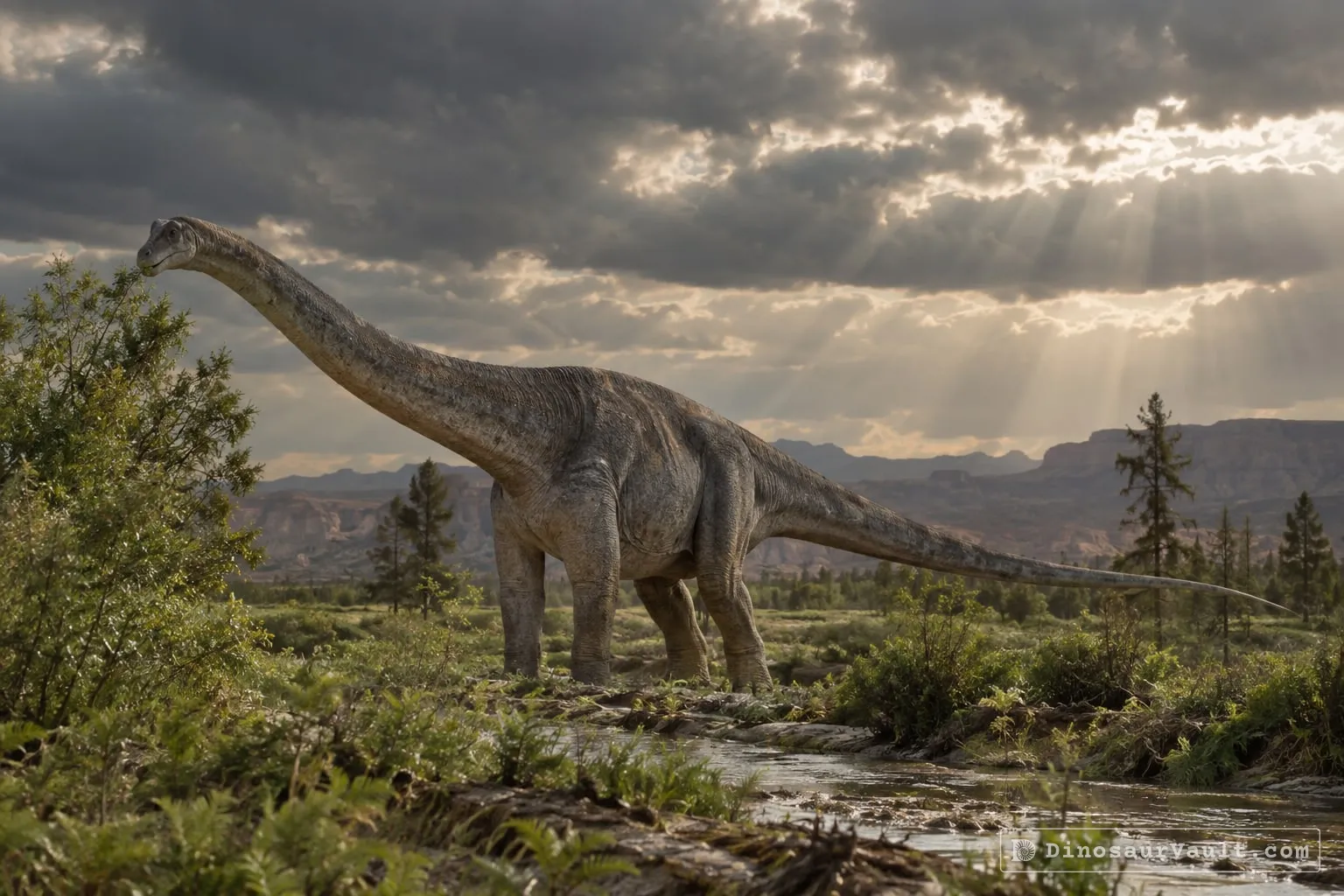
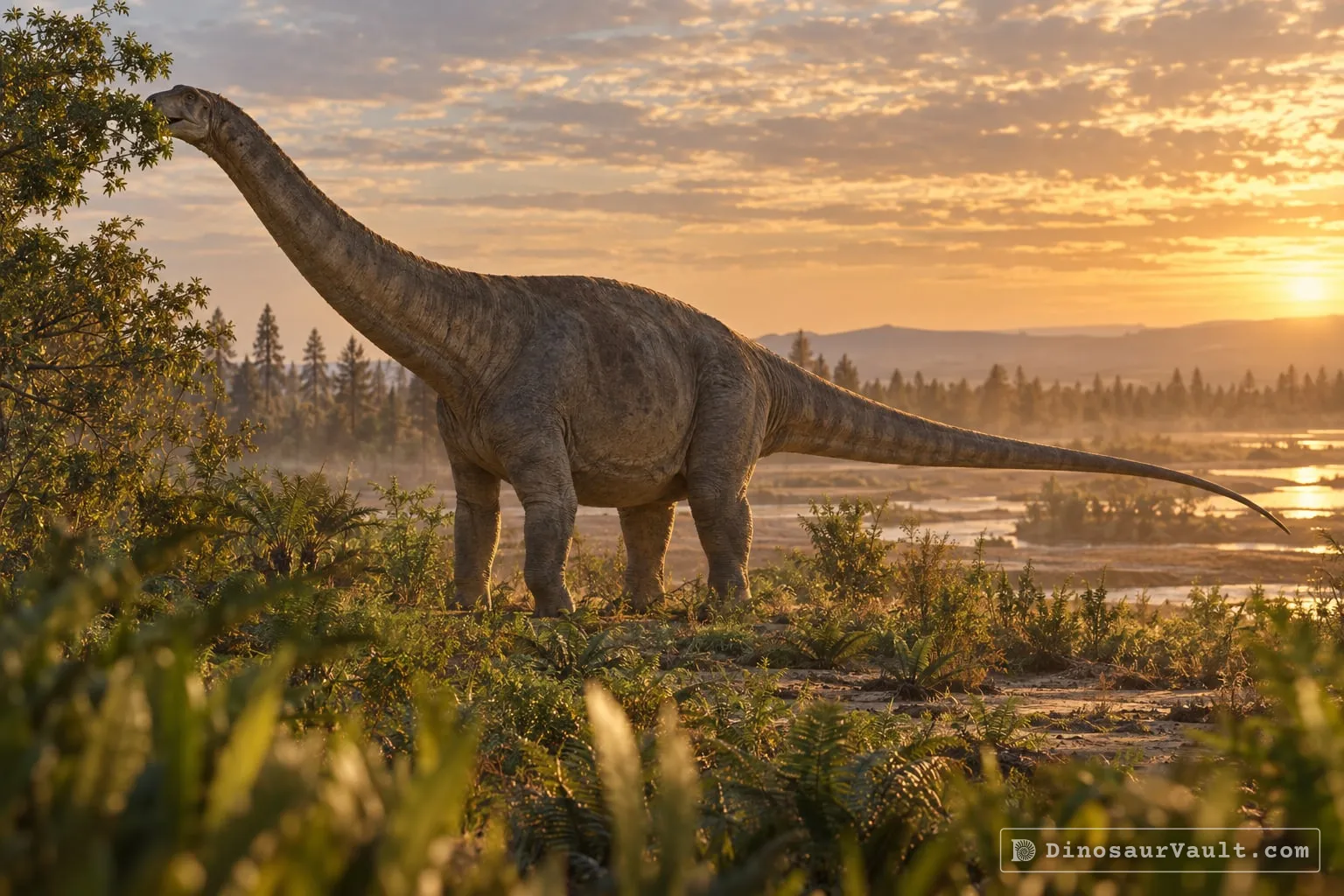
Scenes reconstructed from the available fossil evidence.
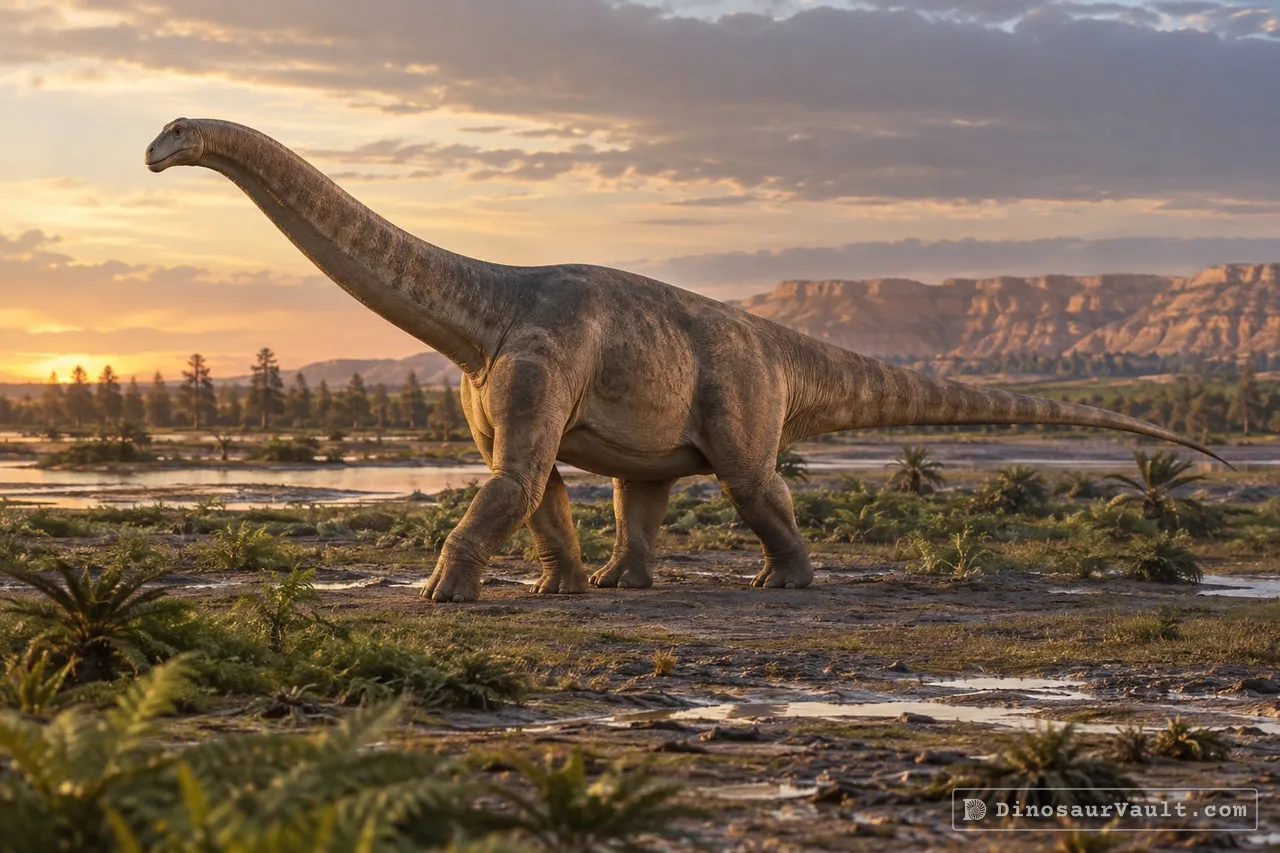
1 of 2
Lived alongside
Found in the same rock formations
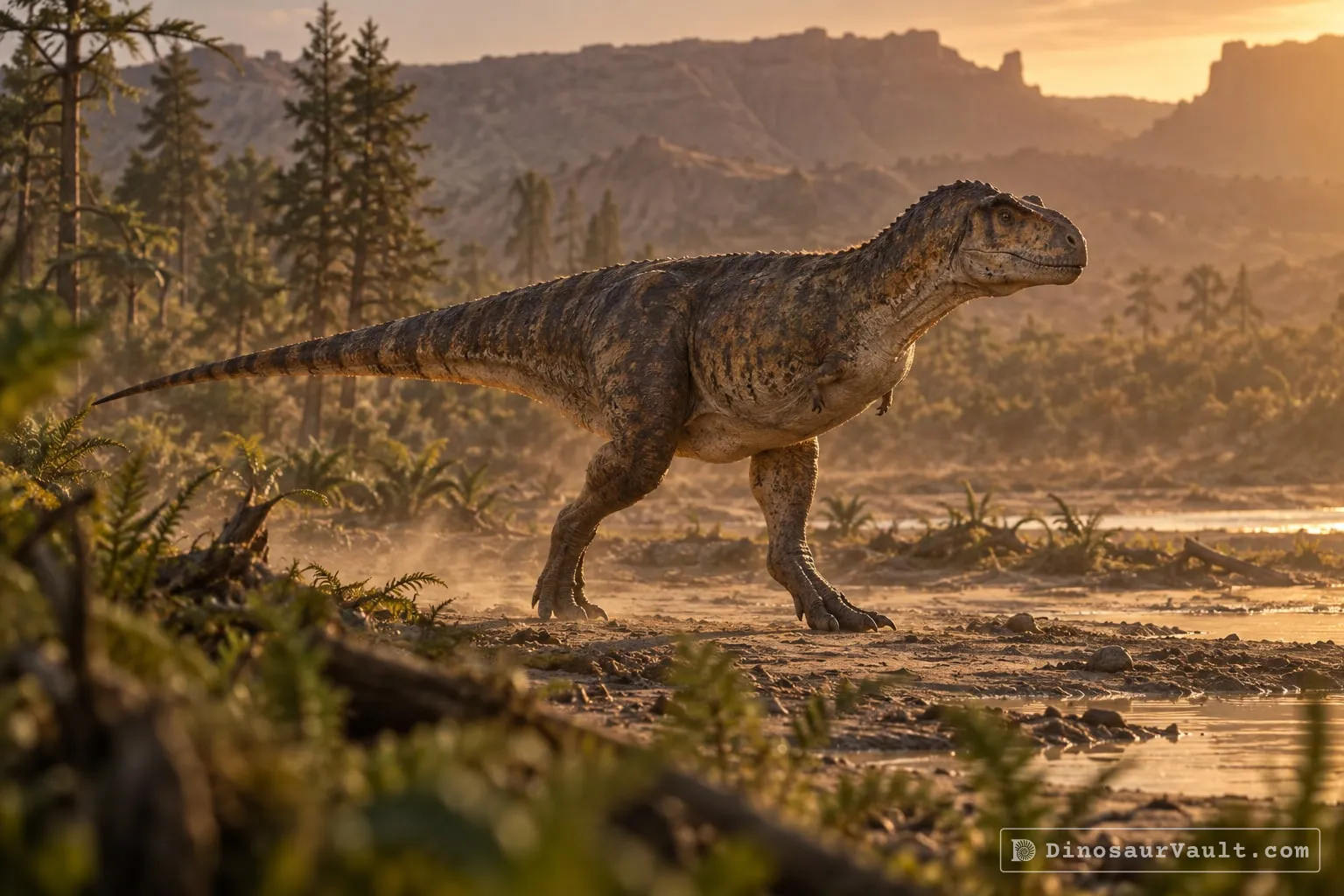
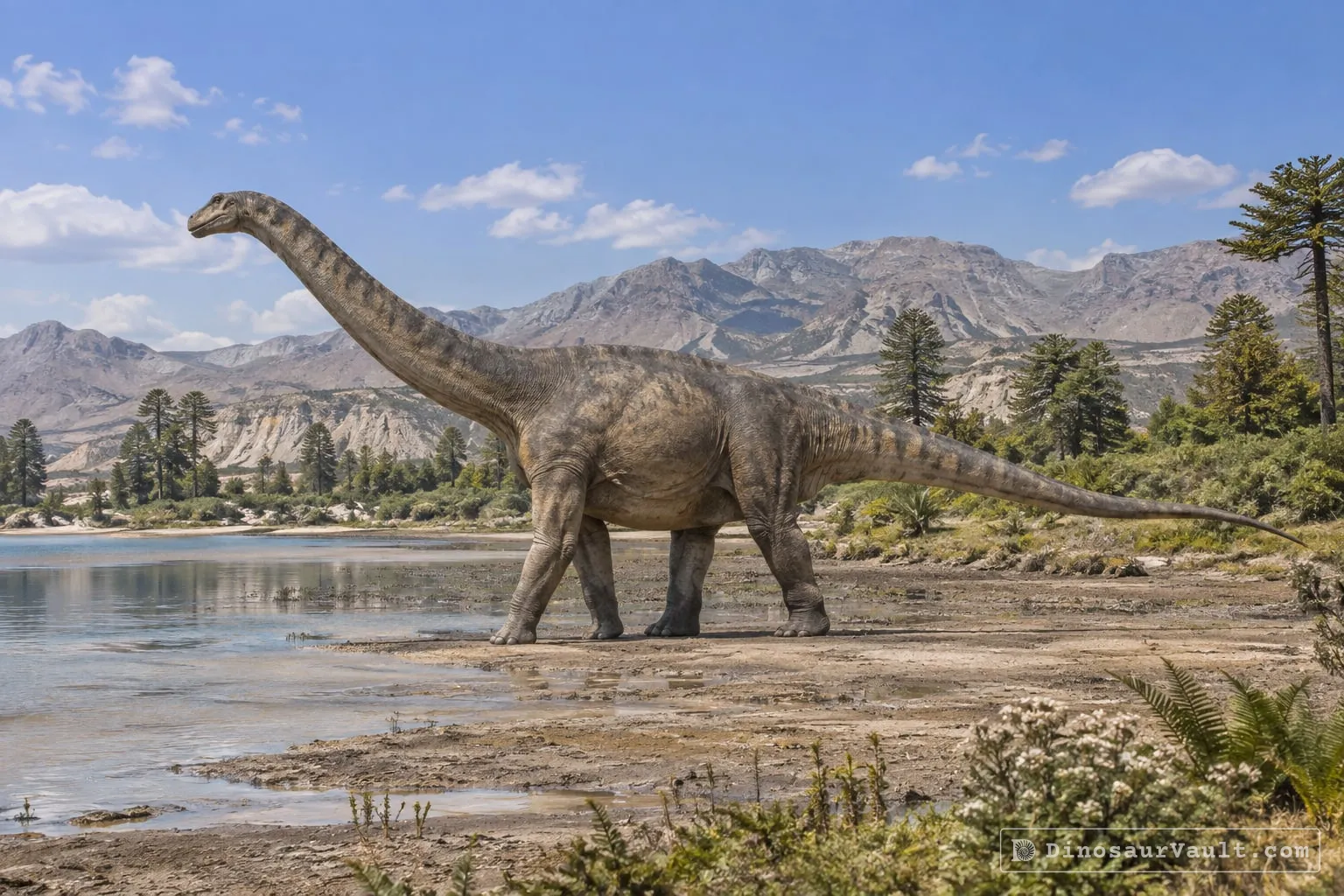
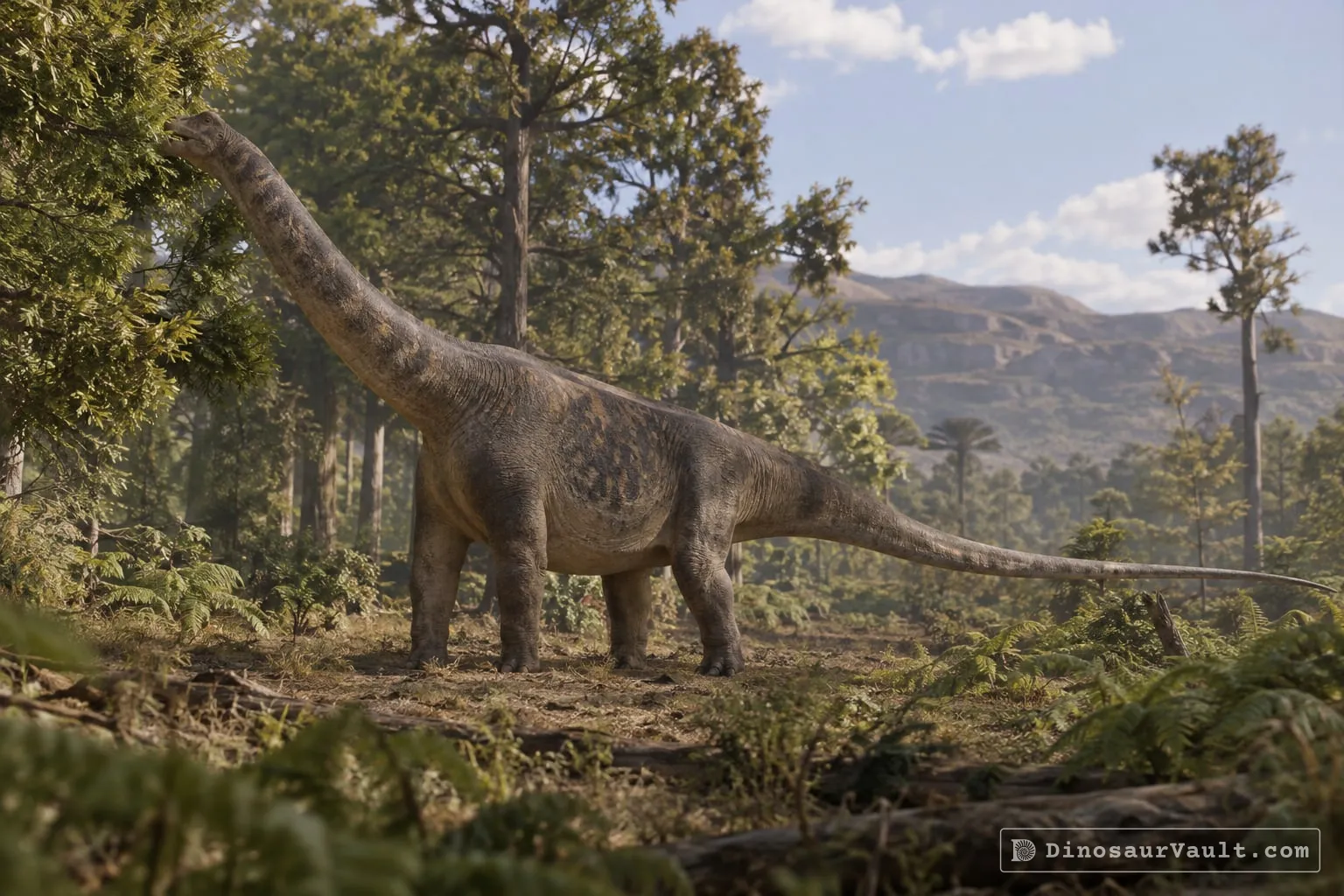
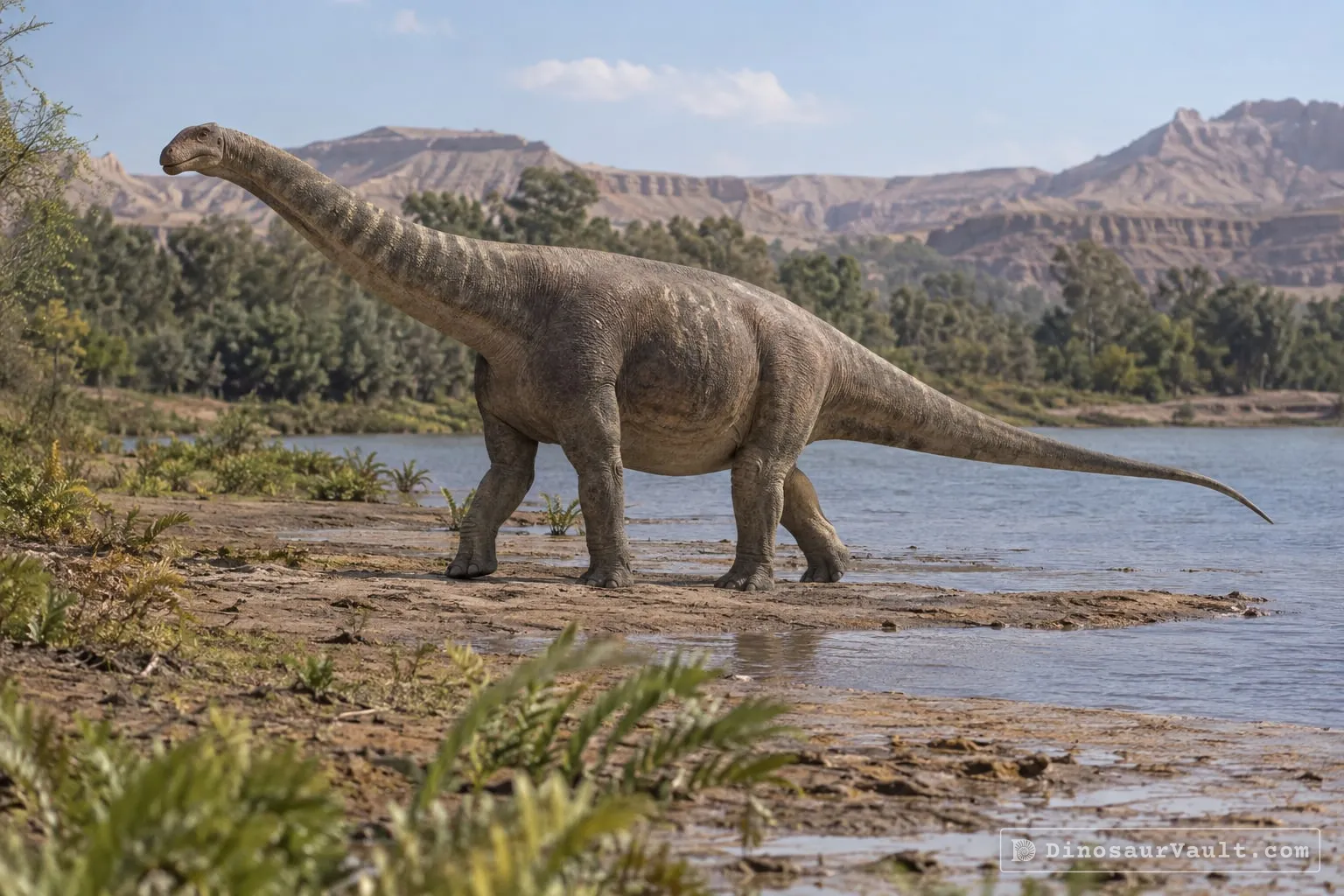


A rock formation can hold fossils laid down millions of years apart, so not every animal here met Saraikimasoom.
The evidence
The science behind Saraikimasoom
Which parts of the picture come from its own bones, and which come from its relatives.
From its own fossils
- Malkani described a snout with upper and lower jaws and narrow teeth as the original specimen of Saraikimasoom.
- The snout is long, narrow and shallow, with a broadly rounded upper front, a rounded front to the lower jaw with little chin, and teeth that taper gradually.
- Bones assigned to it include pieces of the backbone, tail and limbs. Several jaw pieces once referred to it were later moved to Nicksaurus, and shoulder and limb bones from one of its sites are now listed under Qaikshaheen.
Borrowed from relatives
- Missing parts of the body are restored by comparison with titanosaurs such as Isisaurus and Rapetosaurus.
Still unknown
- Whether Saraikimasoom is a distinct genus.
- Which scattered bones belong to the same kind of animal as the snout, and what the back of its skull looked like.
- Its full size and body proportions.
Discovery timeline
- 2014Named itMalkani
- 2020Full descriptionMalkani
- 2021RedescriptionMalkani
- 2024RedescriptionMalkani
Key papers
The research behind what we know of Saraikimasoom
Named it
Introduced Saraikimasoom among the titanosaurs reported from the latest Cretaceous rocks of Pakistan.
Titanosaurian sauropod dinosaurs from the Latest Cretaceous of Pakistan. Second International Symposium of International Geoscience Programme (IGCP) Project 608 “Cretaceous Ecosystems and Their Responses to Paleoenvironmental Changes in Asia and the Western Pacific”. Abstract Volume.
No link available
Full description
Described the snout and teeth and assigned additional jaw, backbone and limb bones to Saraikimasoom.
First Snout with Complete Teeth Row of Small Titanosaur in Indo-Pakistan Found from the Latest Maastrichtian Vitakri Formation of Pakistan; Associated Cranial and Postcranial Skeletons of <i>Saraikimasoom vitakri</i> (Poripuchia, Stocky Titanosauria, Sauropoda) from Pakistan and Referred Fossils from India. Open Journal of Geology 10: 368-407
Read the paper : First Snout with Complete Teeth Row of Small Titanosaur in Indo-Pakistan Found from the Latest Maastrichtian Vitakri Formation of Pakistan; Associated Cranial and Postcranial Skeletons of <i>Saraikimasoom vitakri</i> (Poripuchia, Stocky Titanosauria, Sauropoda) from Pakistan and Referred Fossils from India (opens in a new tab)Redescription
Restated the diagnosis of Saraikimasoom and corrected the assignment of a group of bones previously described under another name.
Jurassic-Cretaceous and Cretaceous-Paleogene Transitions and Mesozoic Vertebrates from Pakistan. Open Journal of Geology 11: 275-318
Read the paper : Jurassic-Cretaceous and Cretaceous-Paleogene Transitions and Mesozoic Vertebrates from Pakistan (opens in a new tab)Redescription
Revisited the dinosaurs of Pakistan, restated how the Saraikimasoom snout differs from its neighbors and moved several jaw pieces from it to Nicksaurus.
New Data on Coal, Gypsum, Iron and Silica Sand Deposits and Geochemical Exploration (Pakistan): Revision of 25 Years History of Dinosaur Discoveries from Pakistan. Open Journal of Geology 14: 431-511
Read the paper : New Data on Coal, Gypsum, Iron and Silica Sand Deposits and Geochemical Exploration (Pakistan): Revision of 25 Years History of Dinosaur Discoveries from Pakistan (opens in a new tab)
Close relatives
Other members of Gspsauridae
